

Event Details | |
| Host | Wakatere Boating Club |
| Location | Auckland, New Zealand |
| Certification Level | Platinum |
| Website Link | https://www.wakatere.org.nz |
Best Practices Achieved
1. Eliminate Single-Use Water Bottles and Provide Water Refill Stations
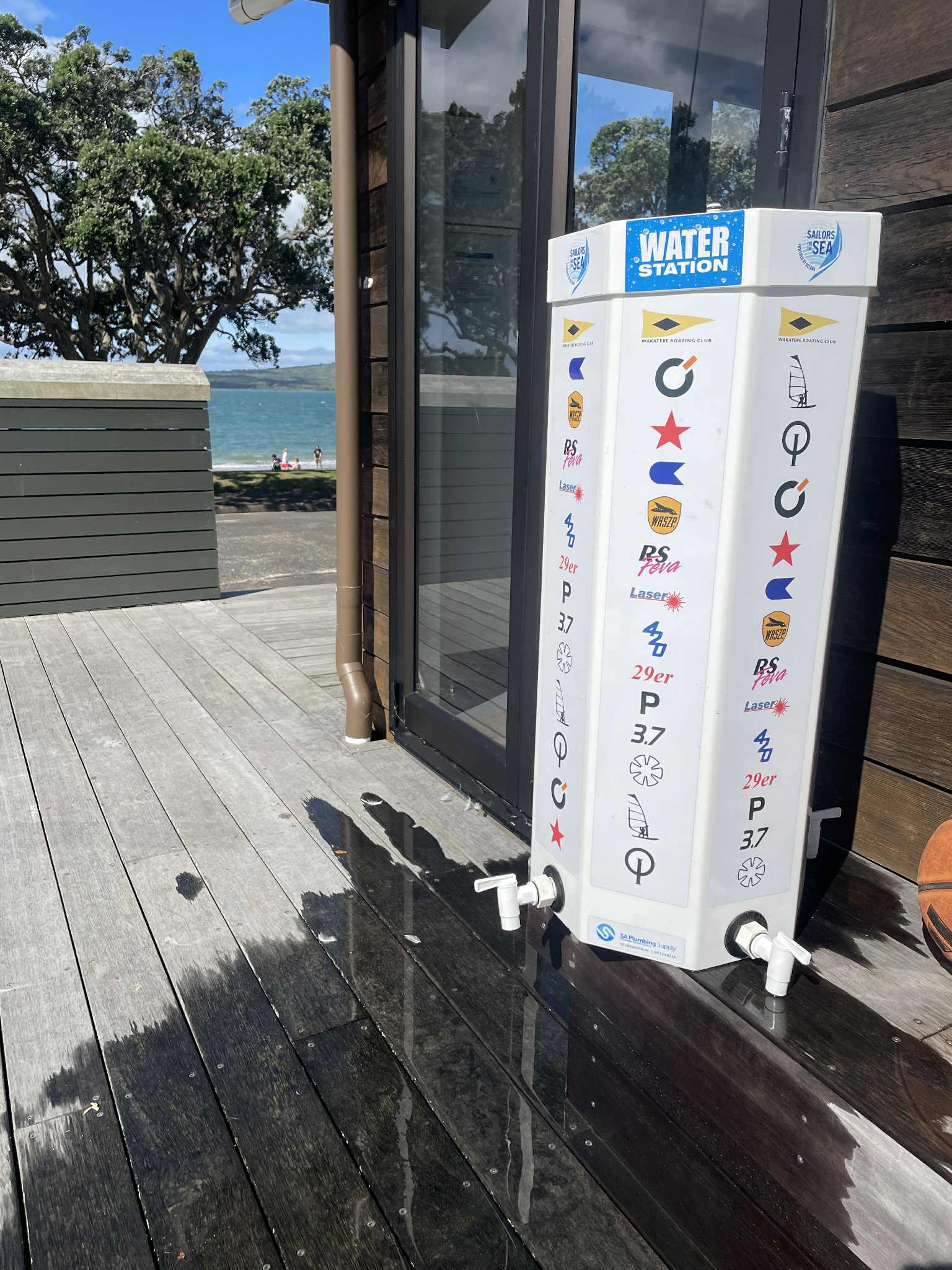
1. Drinking station provided for all sailors, and made mention of during briefing for the regatta. Placed visibly on club deck and refilled by club members.
2. Eliminate Plastic Straws
No straws available at the bar. Simple!
3. Serve Food with Plastic-Free Dinnerware
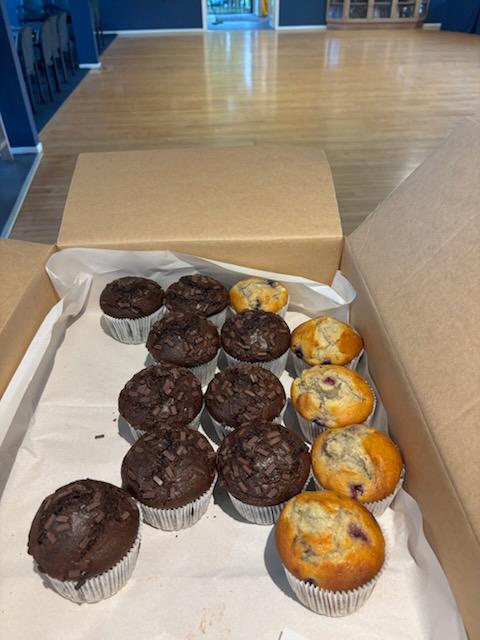
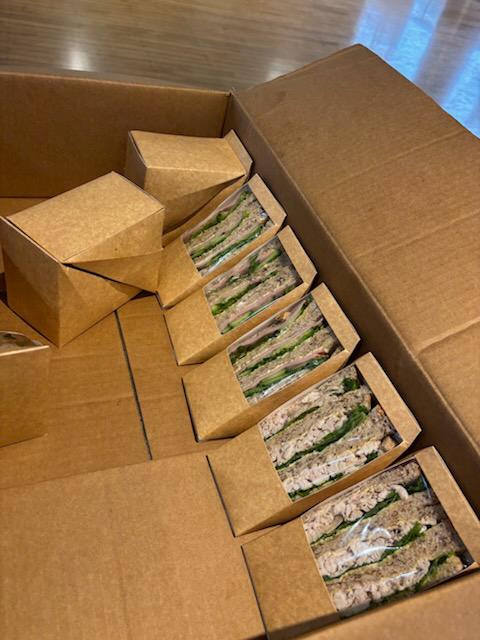
We worked with local supermarket New World to ensure food delivered in paper/cardboard without plastic wrap.
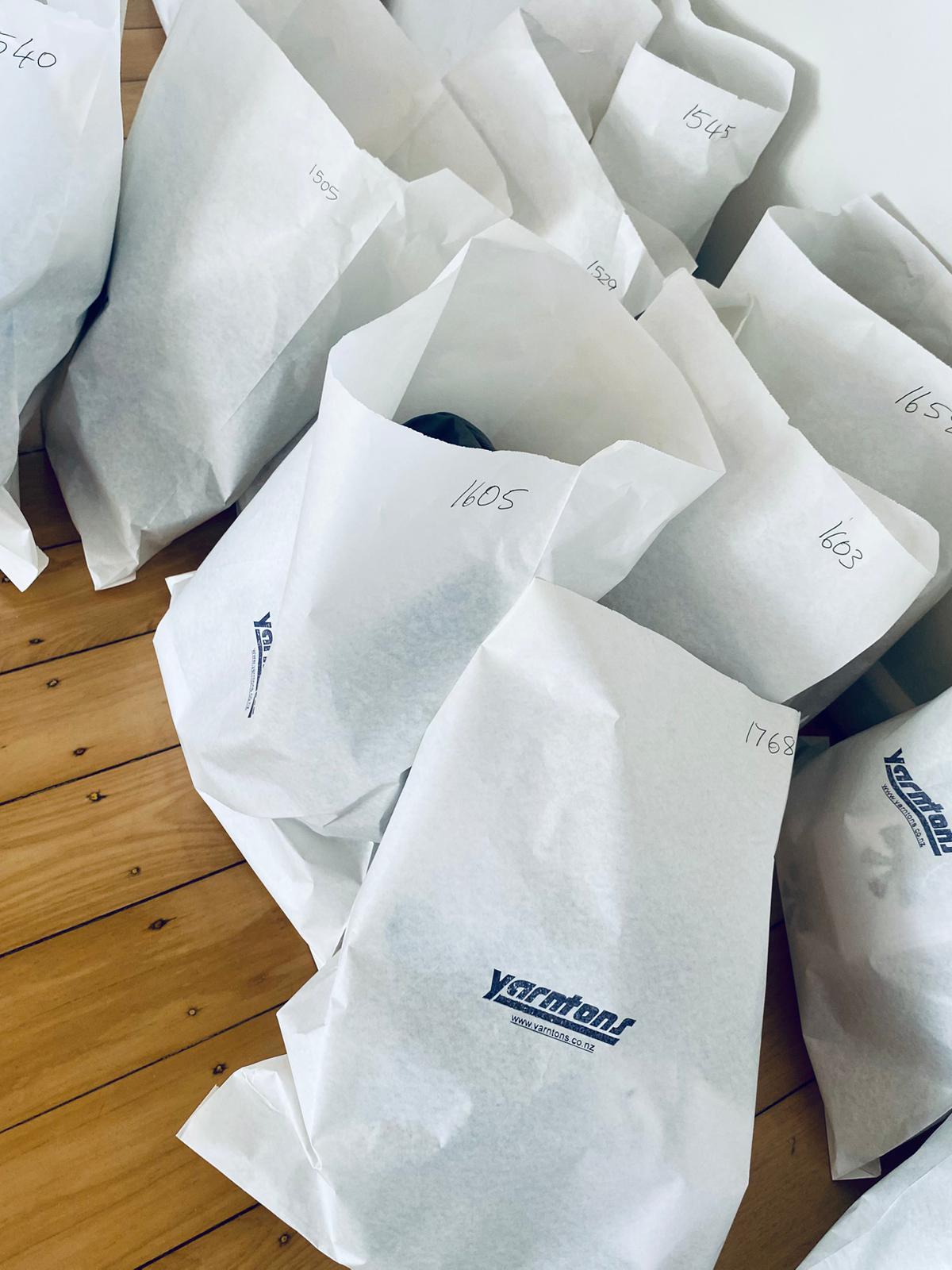
Lunch food was wrapped in paper bags, and there was signage/mention of what to do with food/plates in the appropriate bins after meals.
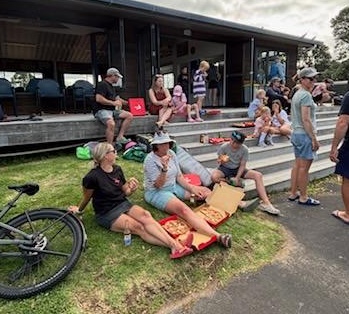
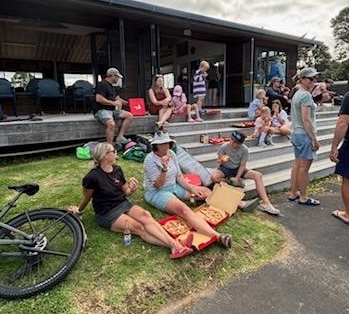
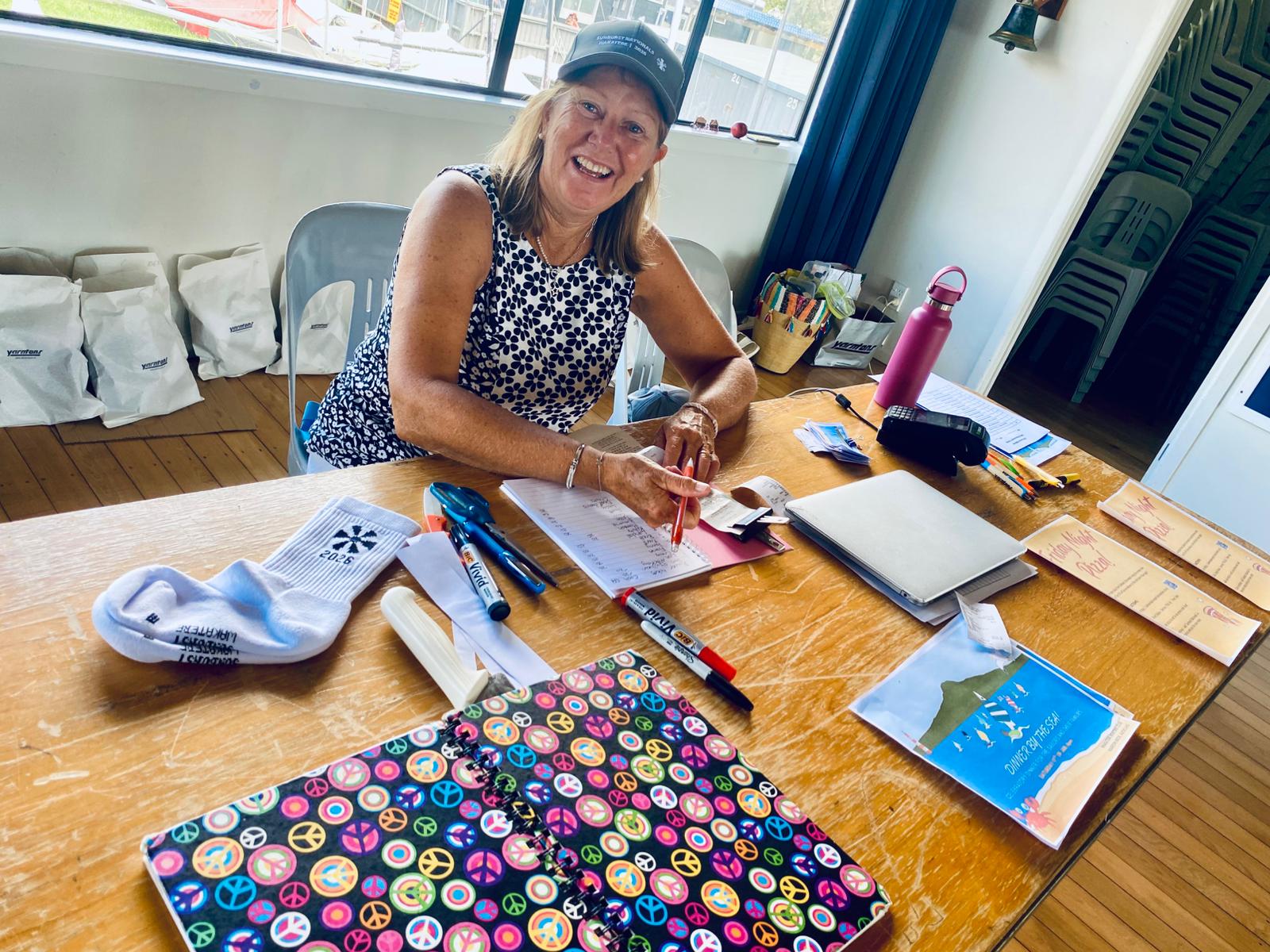
We also worked with local organisation Calimero Pizza to bake and deliver a set amount of pizzas, delivered in compostible packaging, and the bulk pre-order meant they arrived in a single delivery.
4. Skip Bags or Go Reusable
We packed volunteer lunches into reusable Doyle lunch bags - (the bags are made from old sail cloth and reused at each regatta)
Food was wrapped in paper bags, and there was signage/mention of what to do with food/plates in the appropriate bins after meals.
5. Award Practical Items or Use a Perpetual or Upcycled Trophy
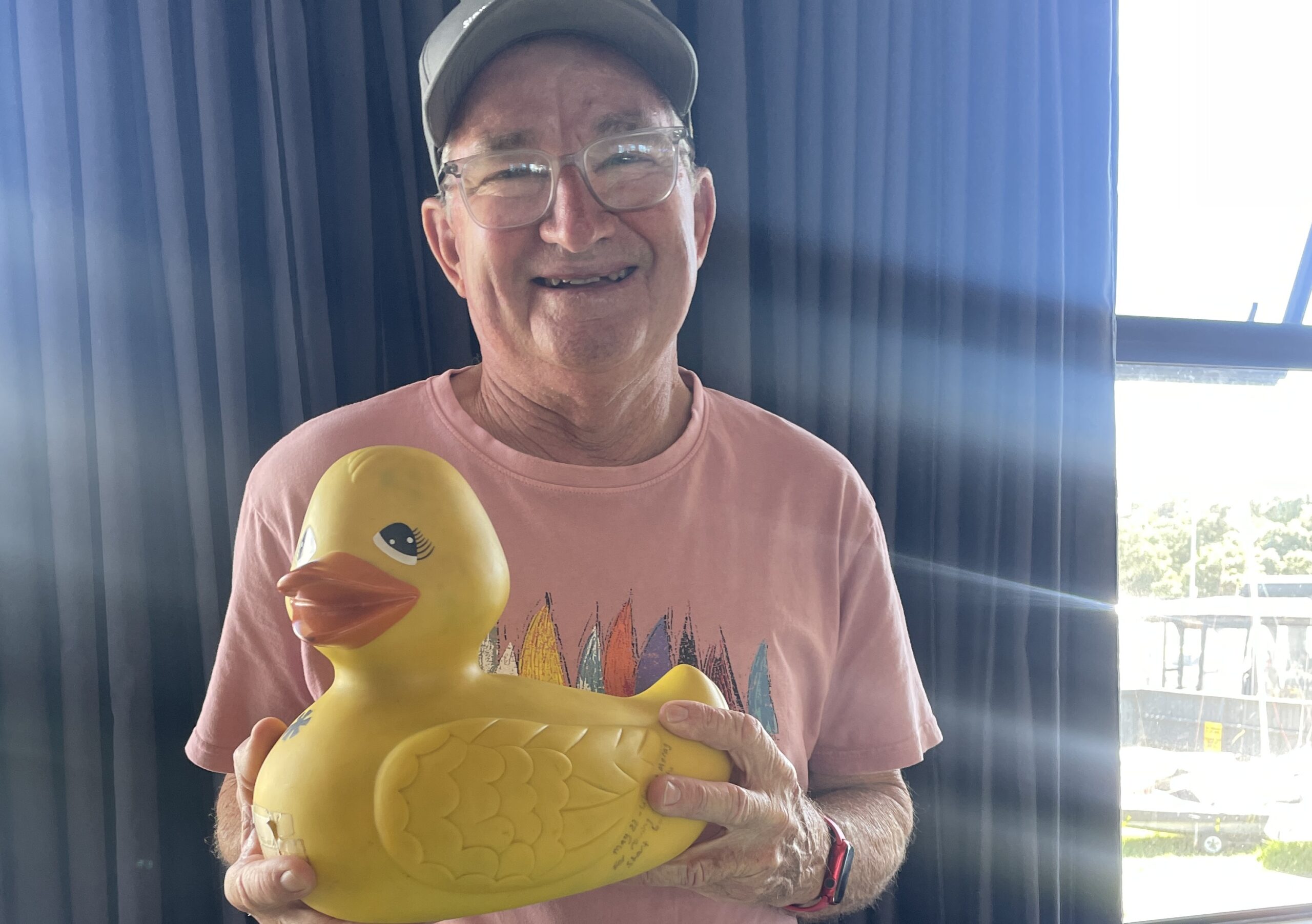
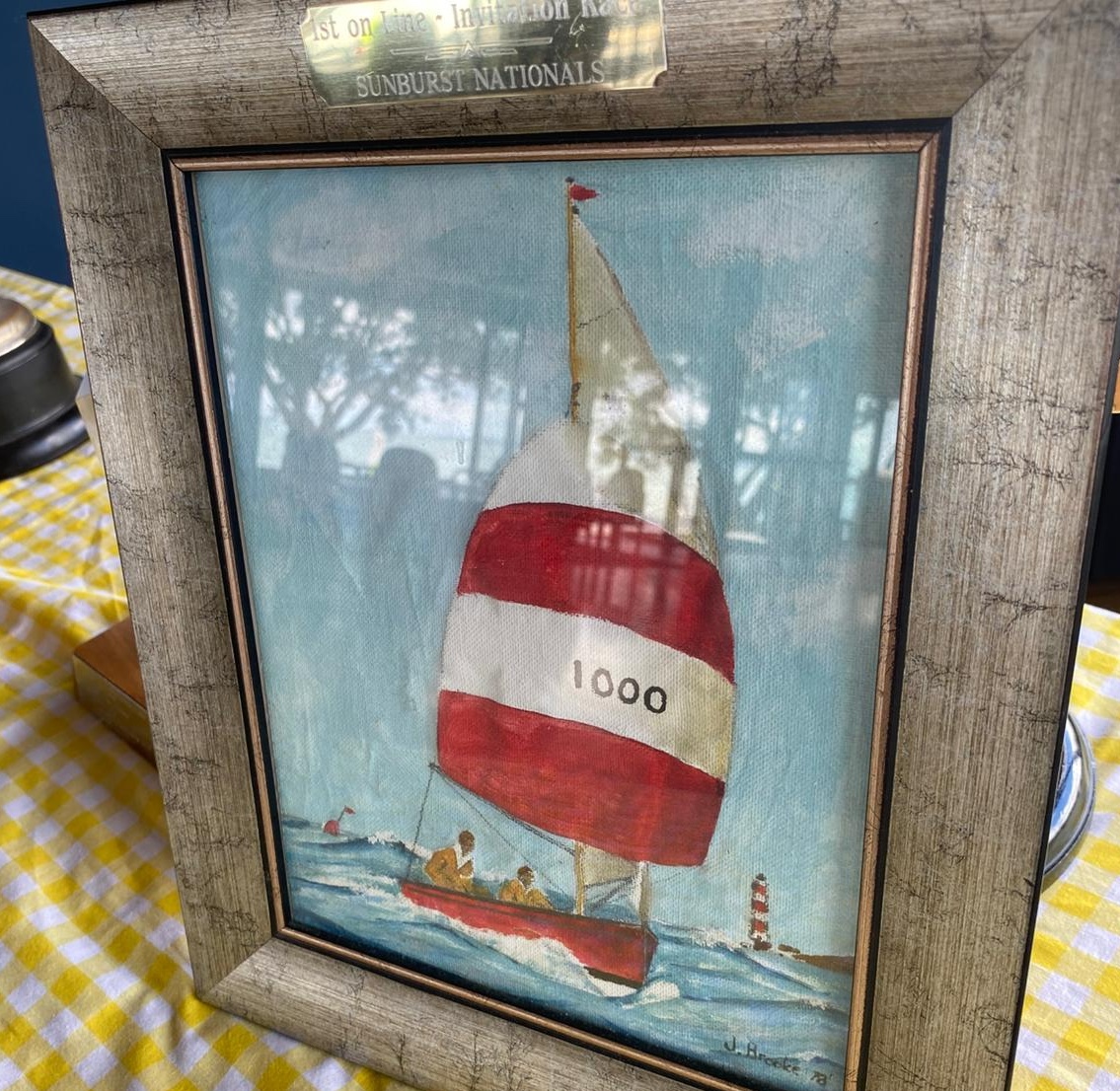
There are several ways we did this and aimed to keep it fun and meaningful. A duck is handed out every year to someone with a funny story from the regatta. There was also a special painting which was awarded to the winners of the invitation race.
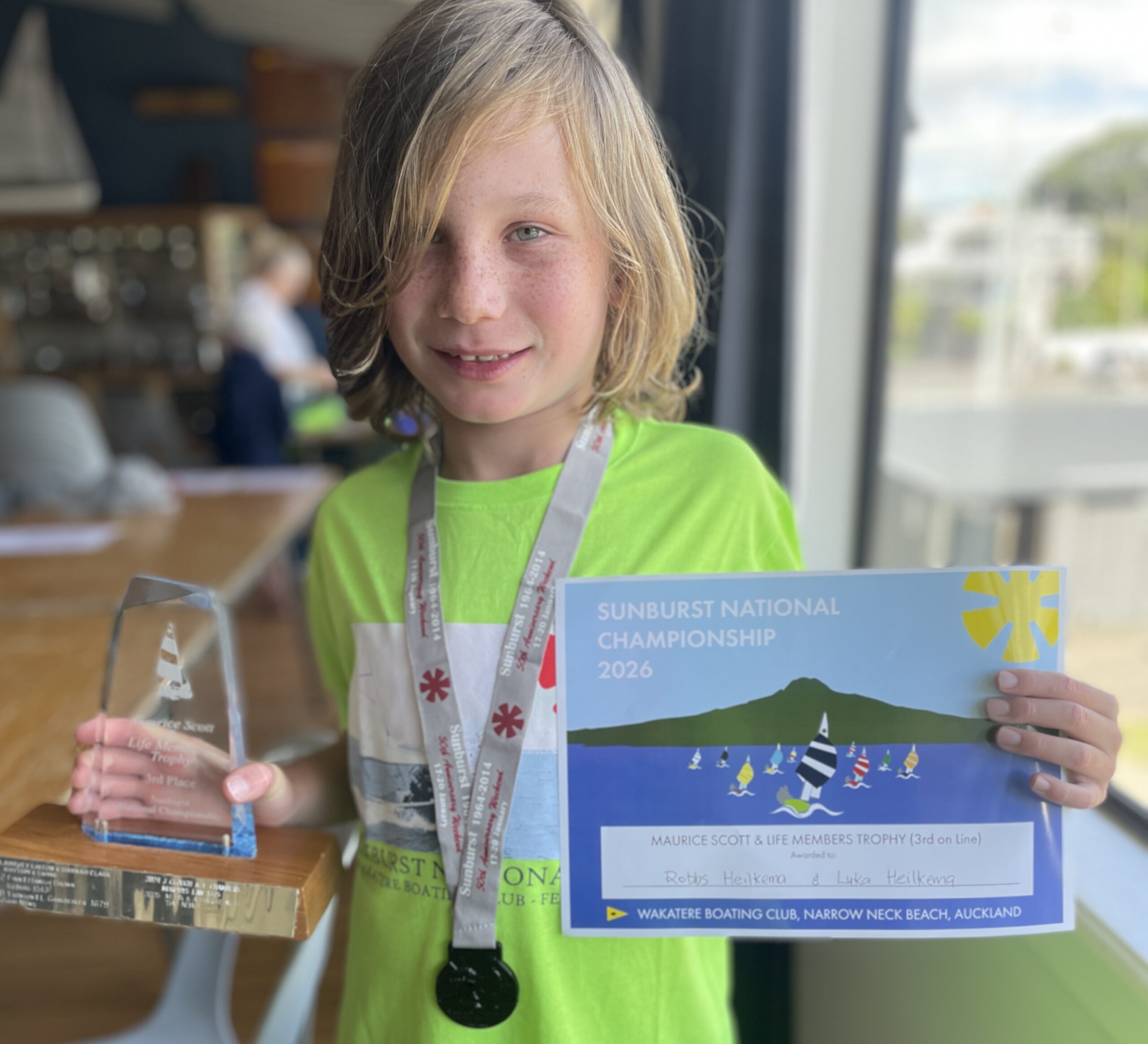
Medals from the previous sunburst nationals which were held at Wakatere (in 2017) which had been sitting in cupboards were handed to the young competitors, along with leftover T-shirts. This meant no new t-shirts were being made, and instead we were recycling existing stock.
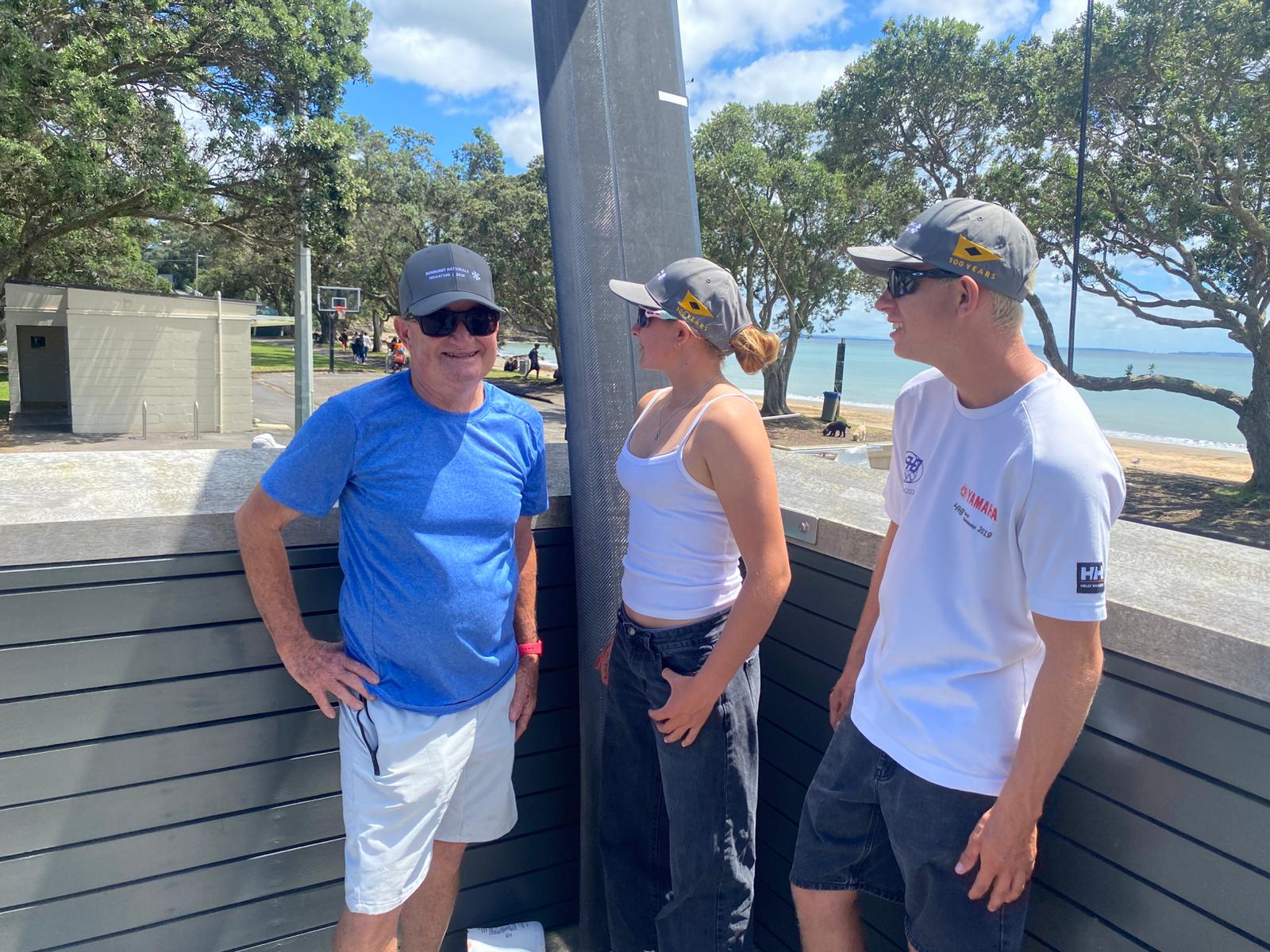
Plenty of hats for all competitors too - vital for sailors!
6. Publicize Your Sustainability Efforts
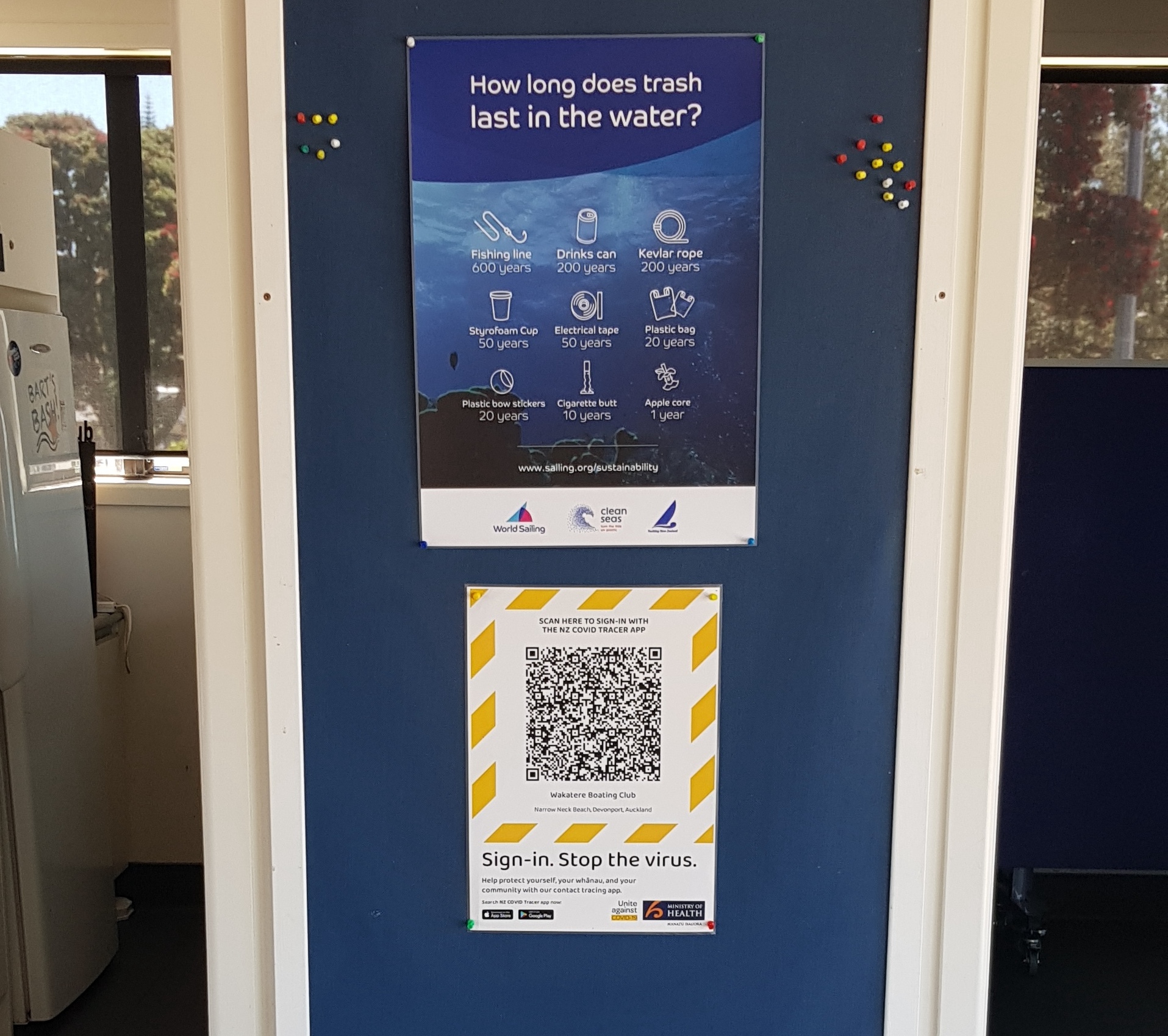
How long does trash last in the water posters are always visible for club-goers to see.
We also made mention at Briefings and throughout the regatta of the clubs effots to minimise waste, take note of the waste labels and use the water stations as provided.
7. Involve Local Organizations
Food sourcing - New World and Calimero's pizza We worked with them to develop the packaging only being compostable or reusable.
Also many of our prize suppliers were local organisations (including Yarntons).
8. Post Educational and Reusable Signage
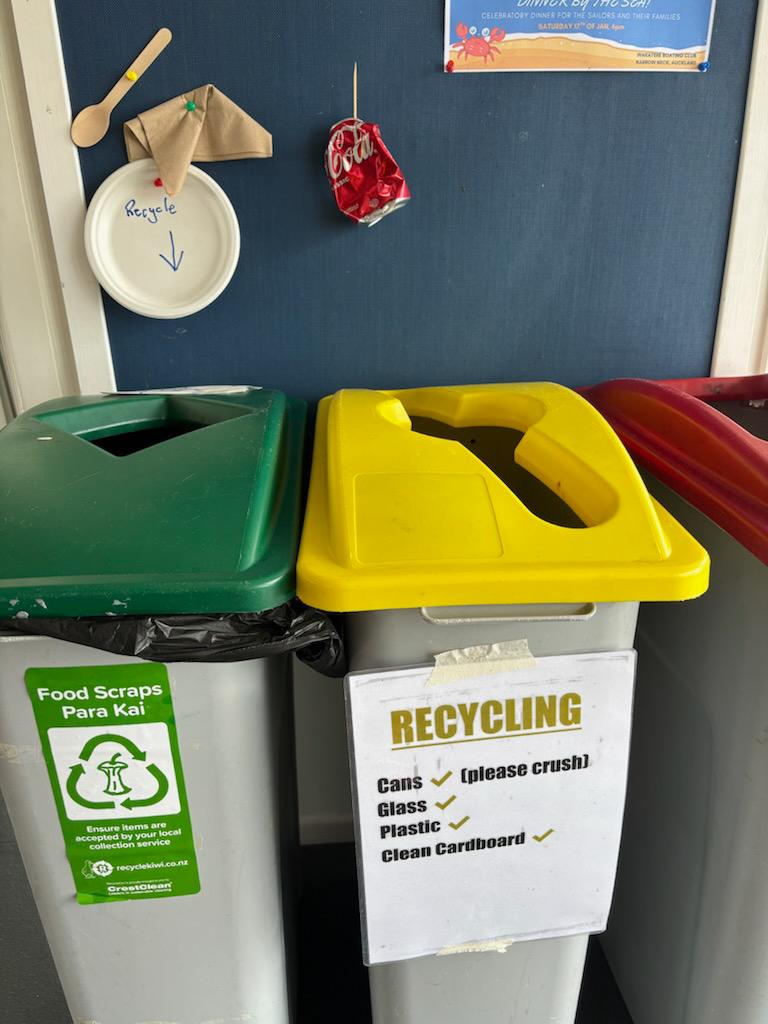
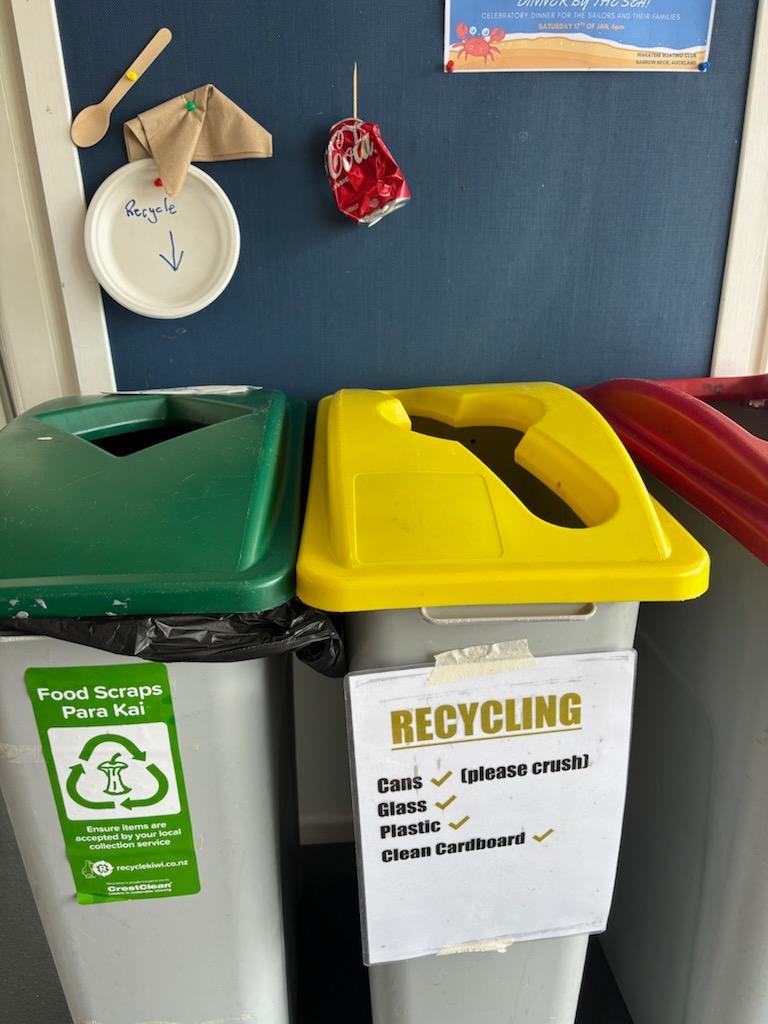
We thought of creative ways to illustrate what can actually go in the bins, rather than just labelling them.
9. Serve Local Food or Source Seafood Sustainably
We worked with Calimeros and Devonport New World on providing enough options for all dietary requirements, along with plenty of vegan options. Ourpizza night was a hit on the deck of the club.
10. Organize a Green Team
Our green team is a collective effort between club members and regatta organisers to ensure all activities carried out through the regatta are made with an environmental focus, and that there is educationt throughout.
11. Ensure Proper Waste Bin Placement and Signage
Three separate bins provided for plastics/recycling, landfill, and compost (food scraps). As mentioned above, appropriate visual signage to help regatta participants with their decisions.
12. Divert Food Waste from the Landfill
Our recycling bins are 660litres, and compost is 240 litres. There was an extra bin collection so that equalled 1120 litres from landfill, and 240 litres of compost in total.
Several of our local regatta participants were also willing to take food scraps home to use in their home compost systems, so encouraging this was also a positive way in which we sought to divert food waste from landfill.
13. Use Paperless Event Management
All sailing documents (NOR, Sailing Instructions, and amendments) were made available online, rather than being printed out with registrations.
Our sign on/sign off system is also facilitated through a QR code so there is no paper used with that.
14. Host a Beach or Marina Cleanup
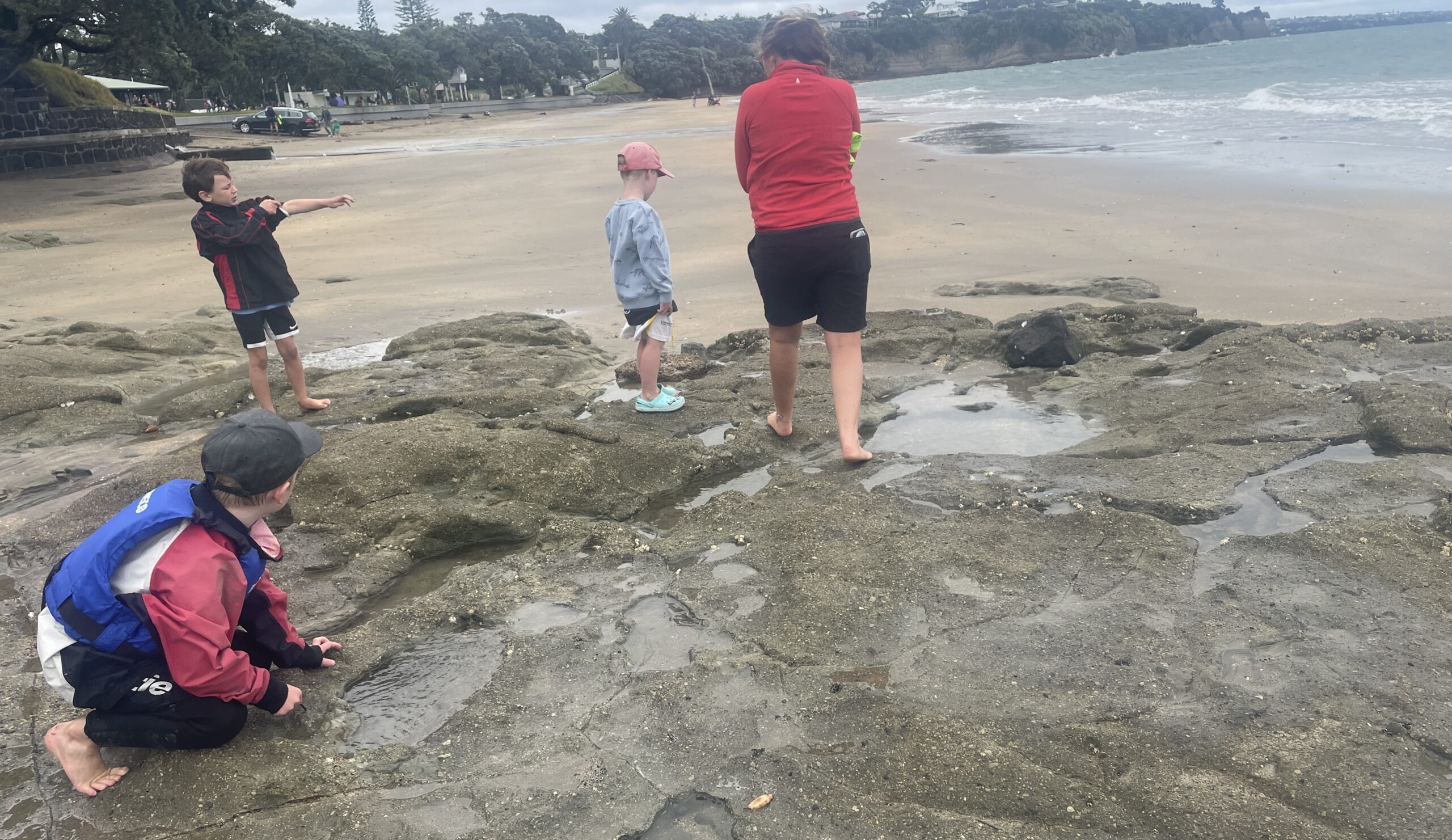
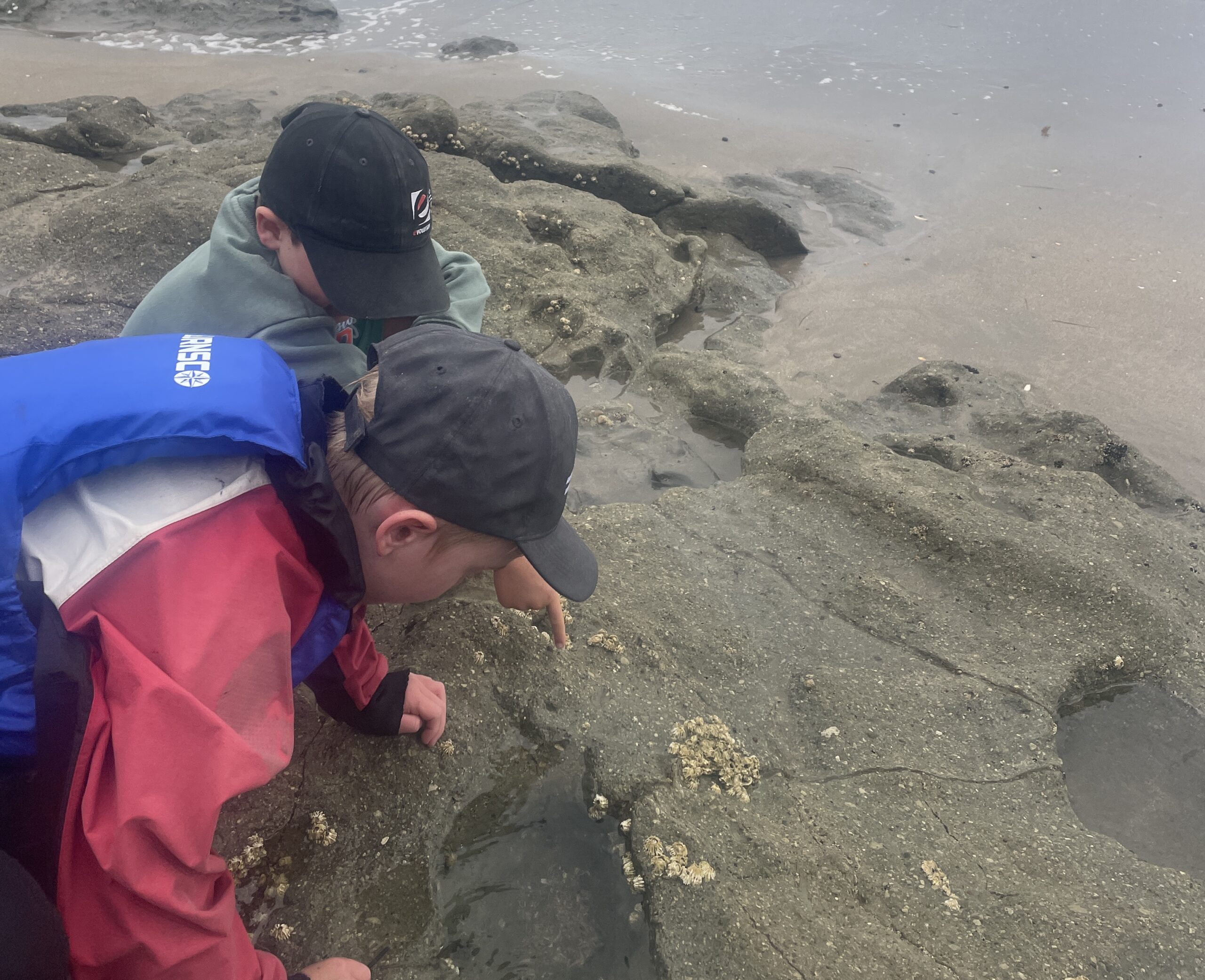
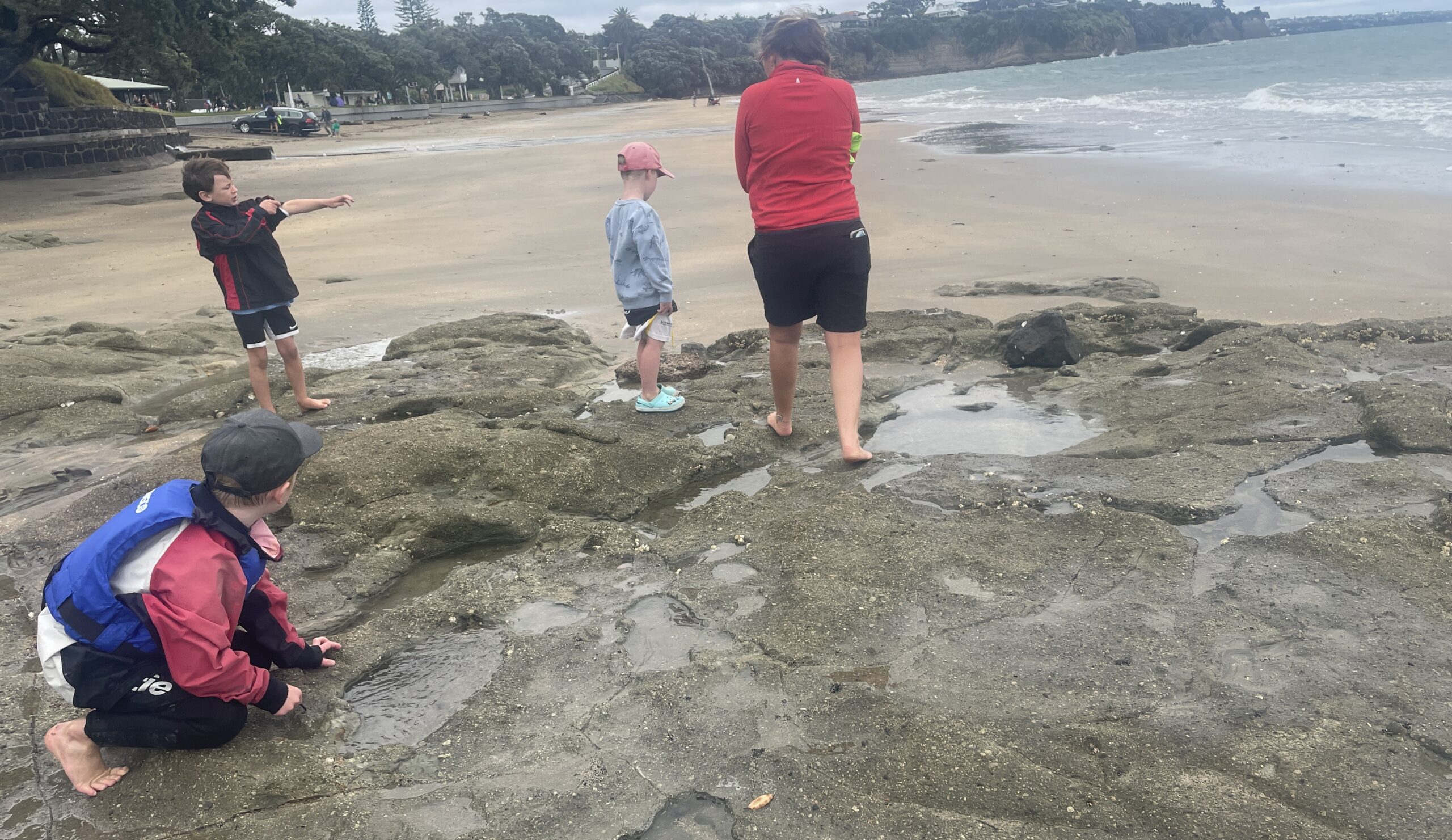
Educational trip with younger sailors to the tide pools at low tide, exploring the intertidal zone and seeing what life there is. Marine exercise on shellfish/cockles holding their breath as tide comes in and out.
15. Prevent Toxins from Entering the Water
No refuelling is carried out on the water during the regatta and all chaseboats are fuelled on club premisis. There are spill kits set up in the fuel lock, at the ready to ensure no overspill into drains.
16. Increase Awareness of Wildlife and Habitat Protection
Looking at the intertidal zone with kids off the water and studying life in the rock pools.
17. Offer Vegetarian or Vegan Alternatives
Vegetarian/vegan options offered through New World salads, which were supplied using fresh local produce.
18. Promote Alternative Transportation
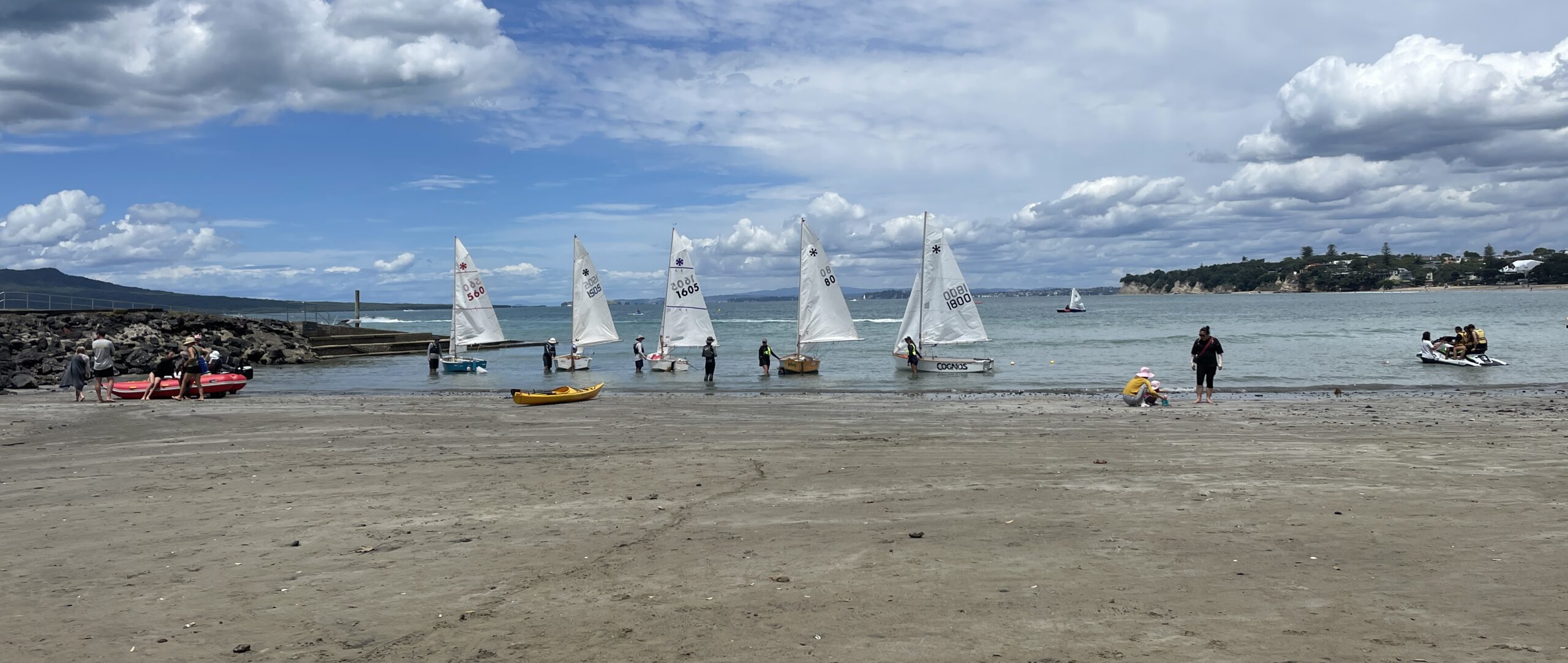
Minimising transport movement examples; one tractor to launch all chaseboats, not vehicles.
Pizza ordered in bulk for all event participants and delivered at one time by one car.
19. Reduce Day-of Emissions
Same as above.
20. Inspire Future Action
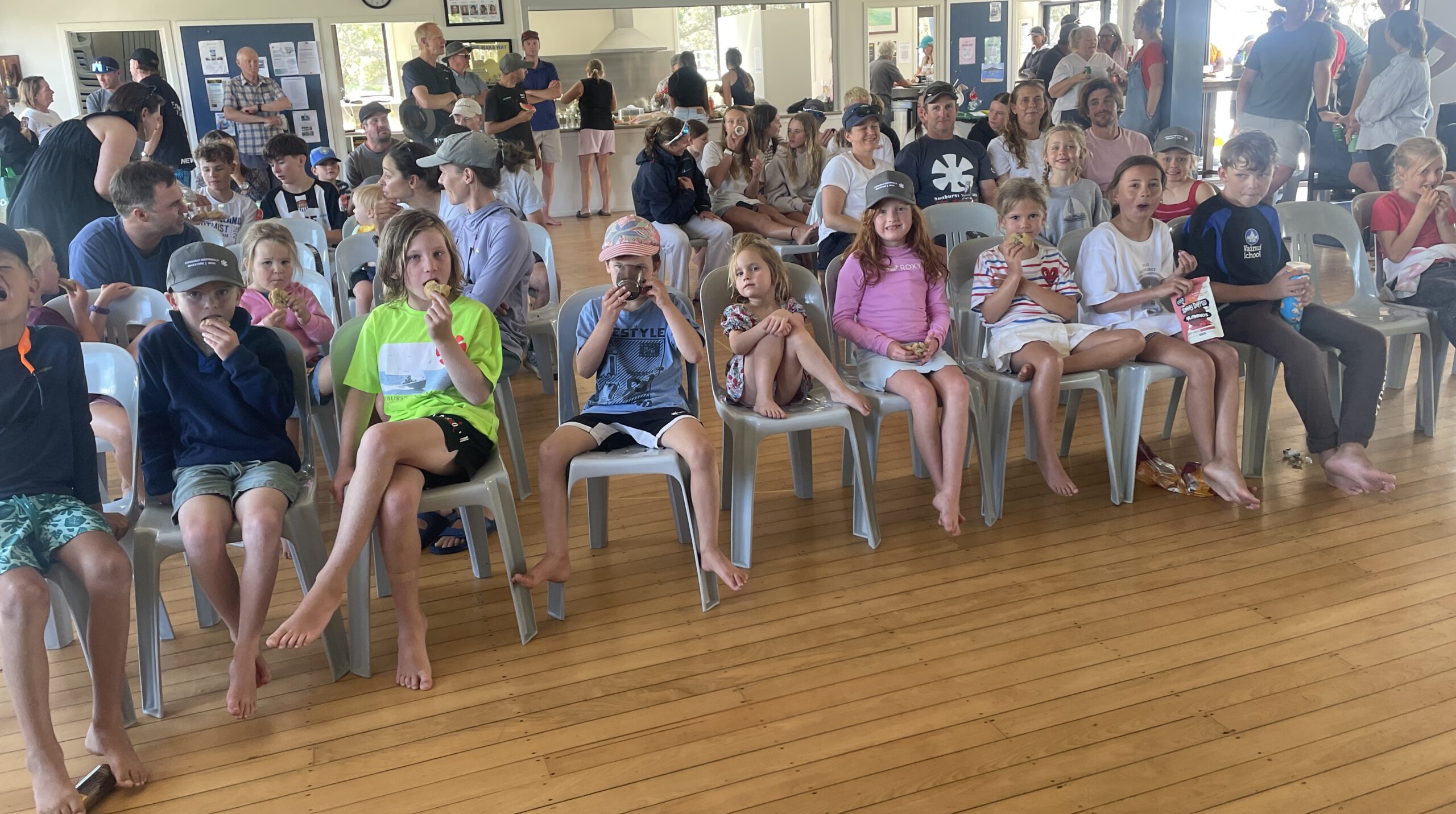
We took younger siblings of the sailors in a 'cruising division' which sets them up to enjoy and be aware of their yacht club surroundings (from whereever they were in the country), and do craft activities inside when it was too windy.
Encouraging our youngest family members is important in helping the next wave of sailors to come through, and adapt the same club practices to minimise our regatta footprint and make sure we're always striving to make eco-concious decisions.