

Event Details | |
| Host | Chatham Sailing Club |
| Location | Savannah, USA |
| Certification Level | Platinum |
| Website Link | https://www.chathamsailingclub.org |
Best Practices Achieved
1. Eliminate Single-Use Water Bottles and Provide Water Refill Stations
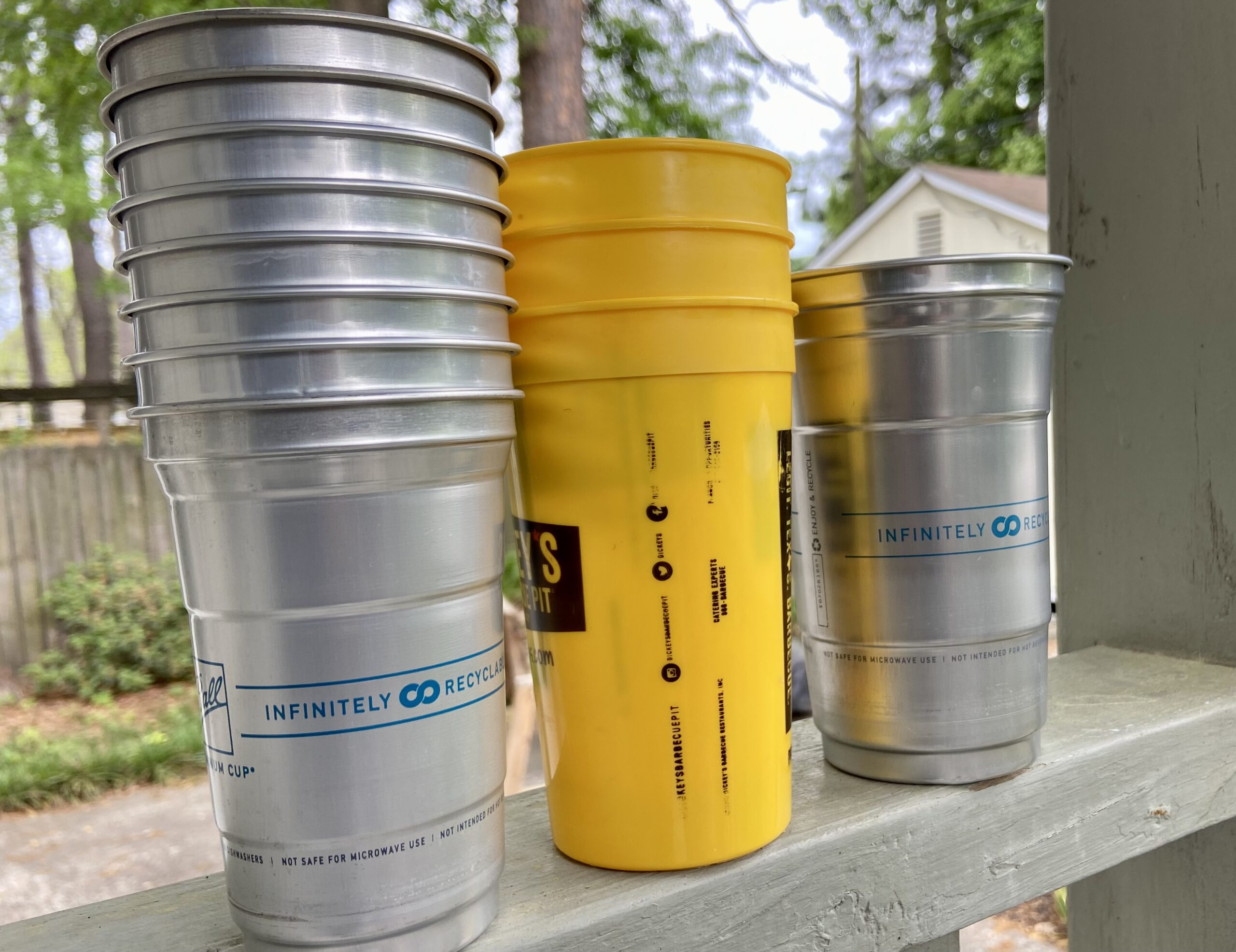
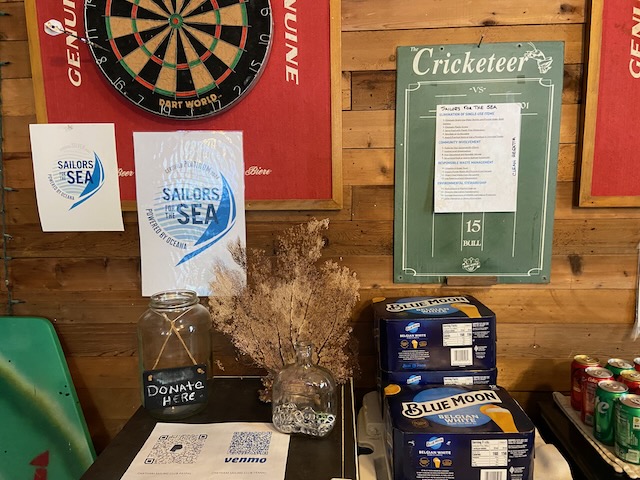
Refill station for water, no beer cans! Washable cups. Plus we encourage everyone to bring their own reusable bottles on their boats for the race.
2. Eliminate Plastic Straws
No photo because we NEVER use straws.
3. Serve Food with Plastic-Free Dinnerware
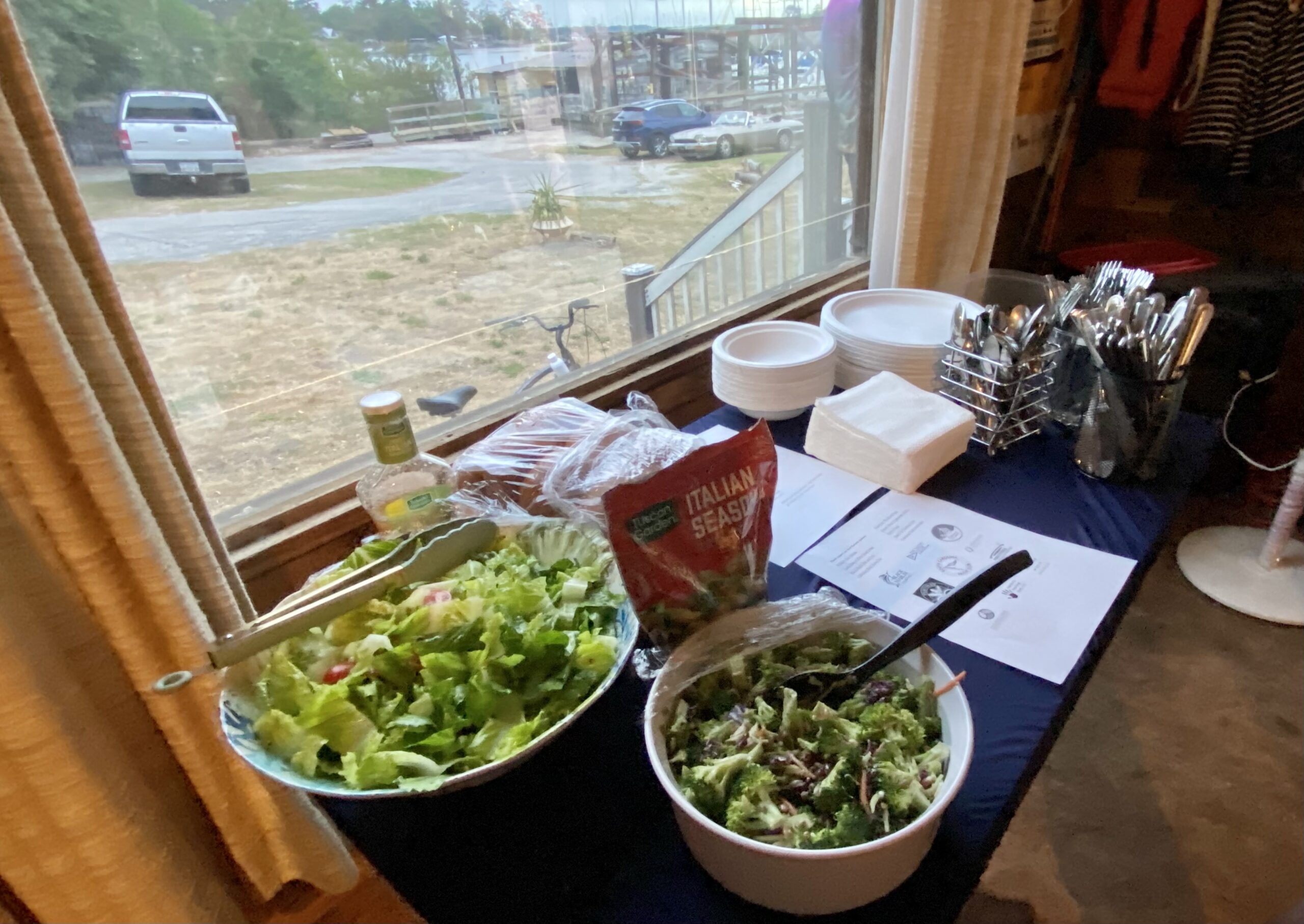
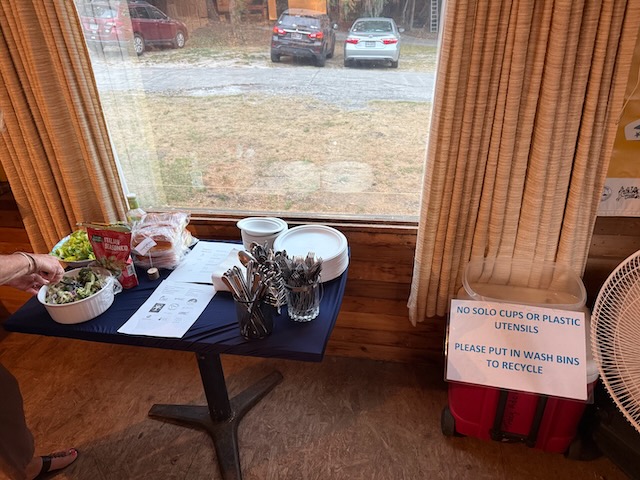
We use compostable plates and bowls and washable cups and silverware.
4. Skip Bags or Go Reusable
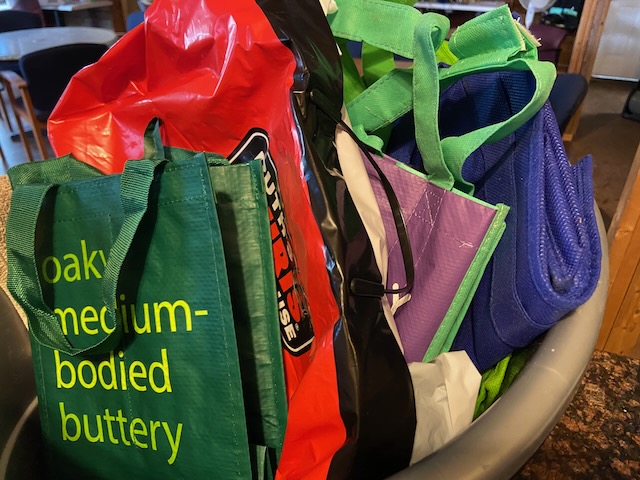
We keep reusable bags in our clubhouse and ask members and participants to use them, bring them, take them as needed.
5. Award Practical Items or Use a Perpetual or Upcycled Trophy
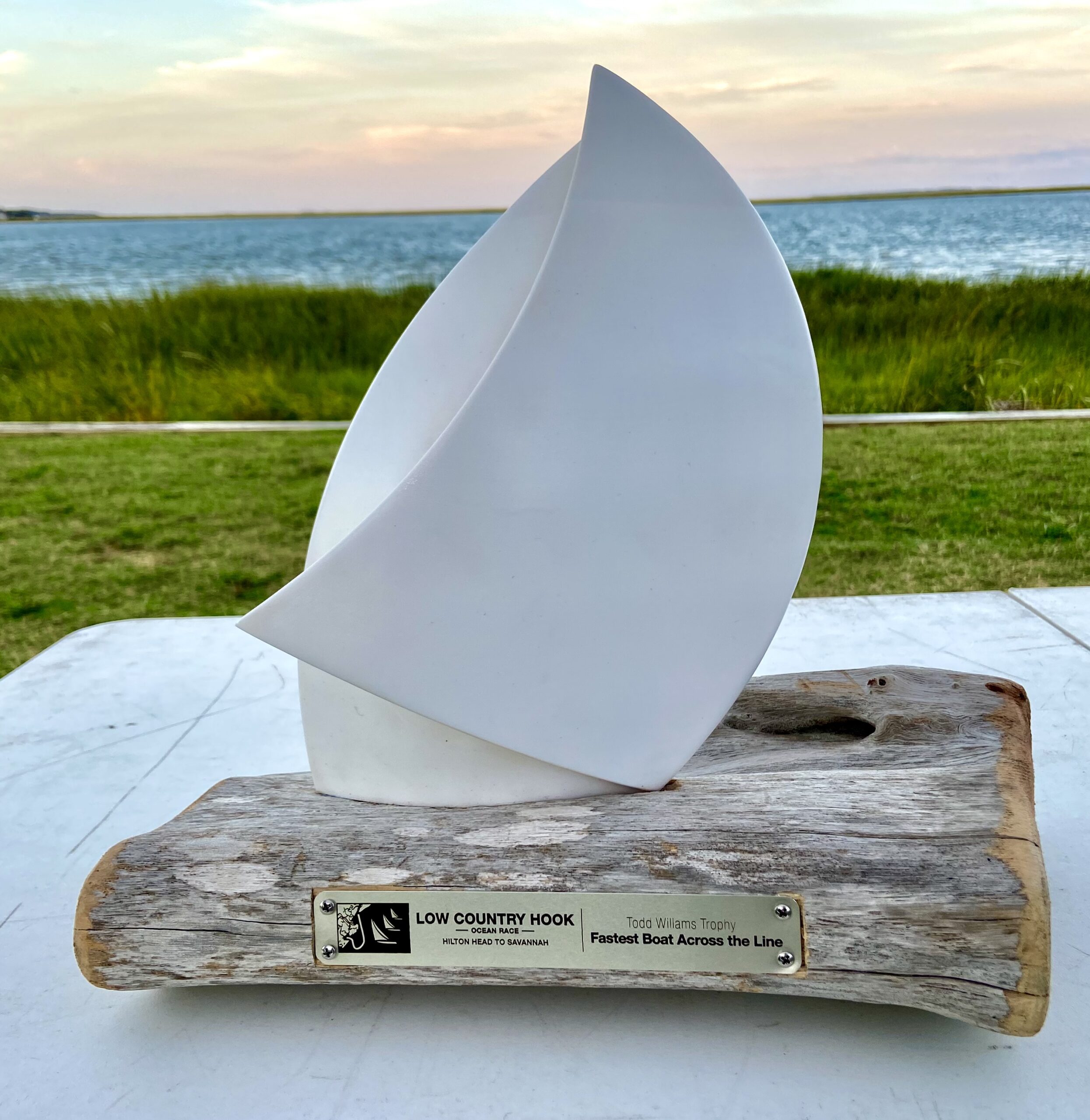
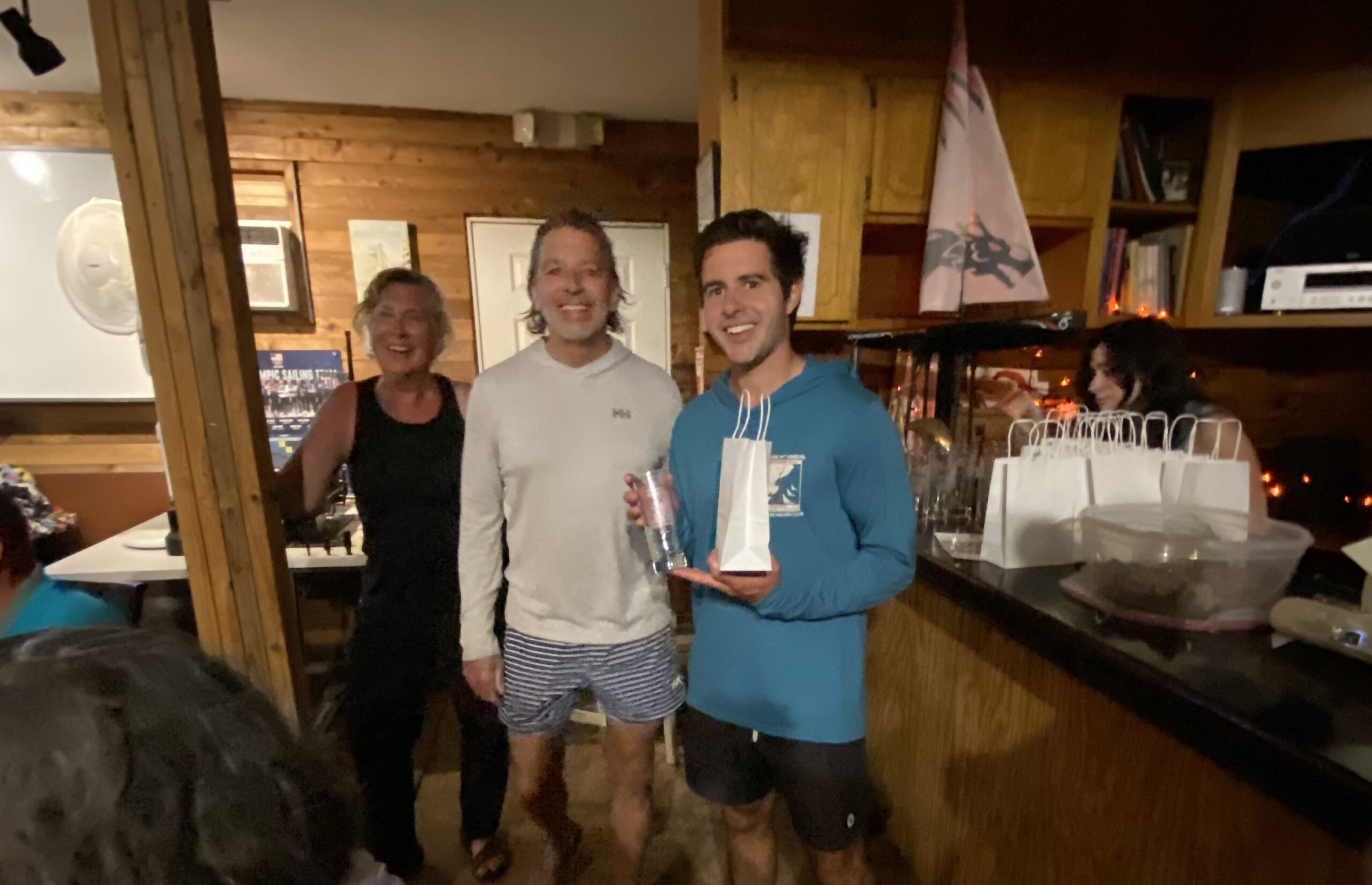
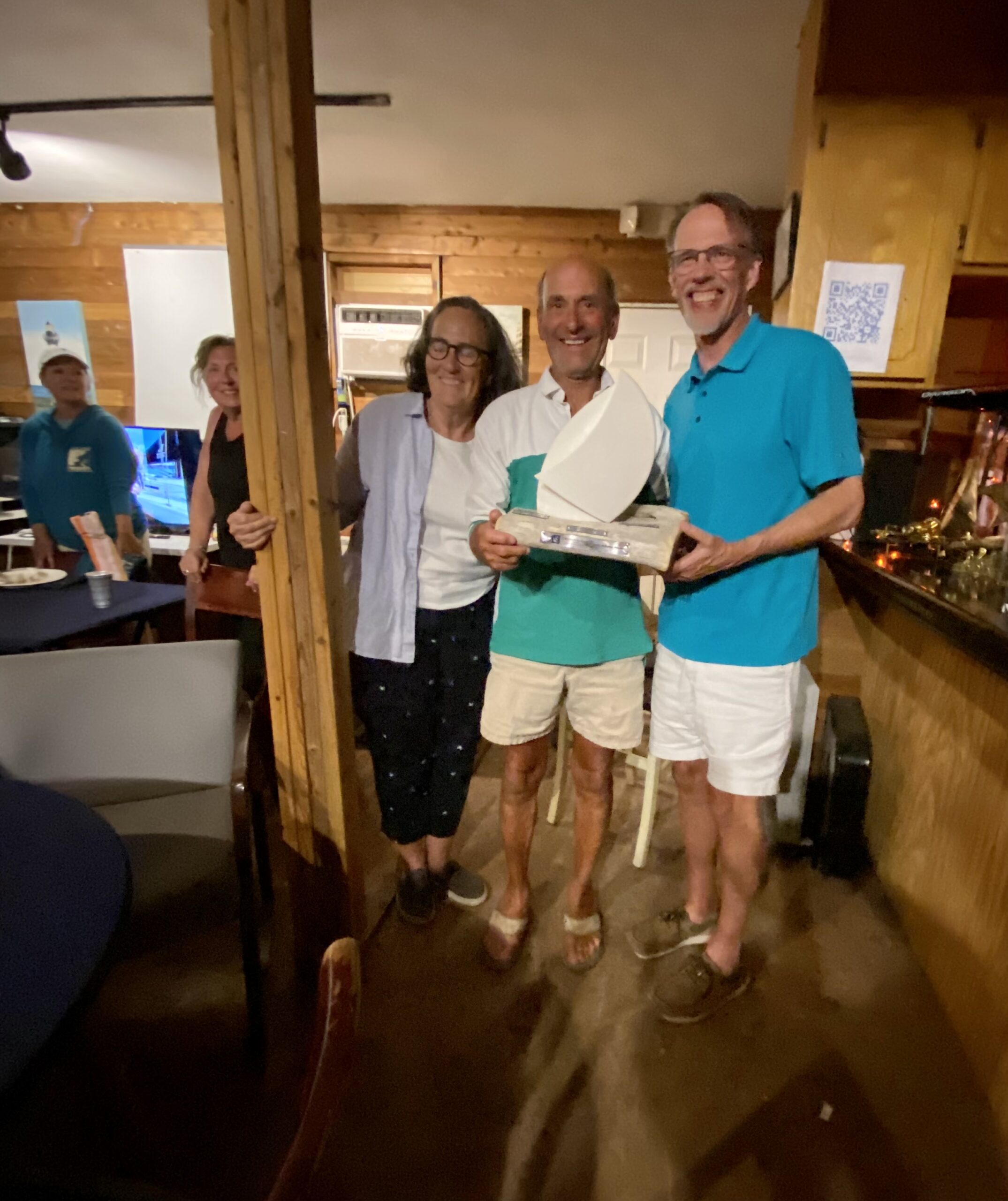
Our awards this year were tall glasses, along with our recurring annual award for sportsmanship, which we had a plate to with the boat and skippers name. It was handmade by one of our members and participants. Each year the winner’s name and boat name is added to it.
6. Publicize Your Sustainability Efforts
This year I posted every single Best Practice on our public FB page and explained what we were doing with each post. I'm putting a couple of screenshots here as proof, but if you to our FB page (Chatham Sailing Club) you will see them all in our countdown to the race every day.
7. Involve Local Organizations
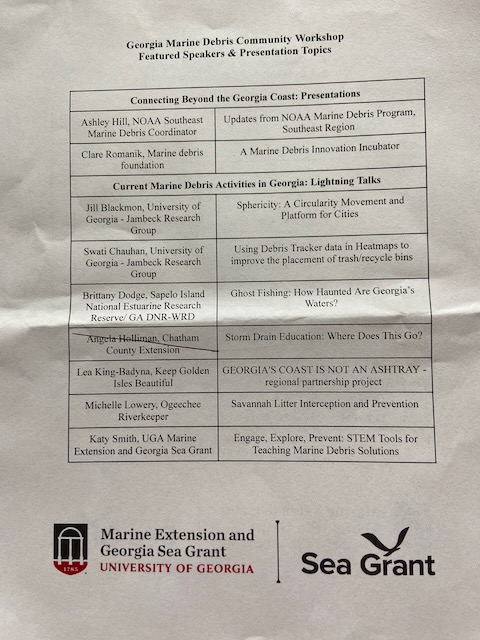
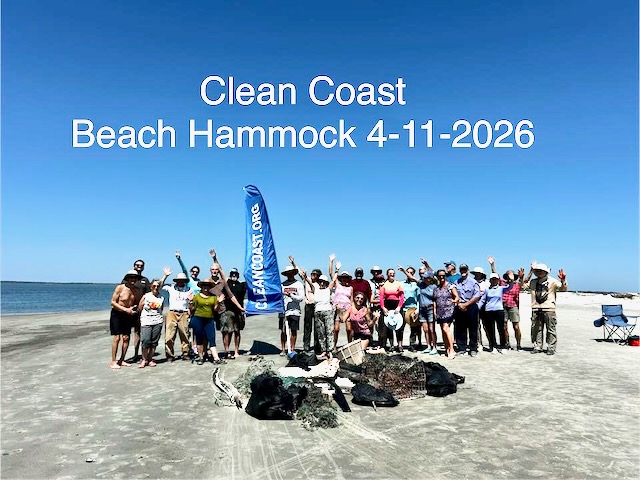
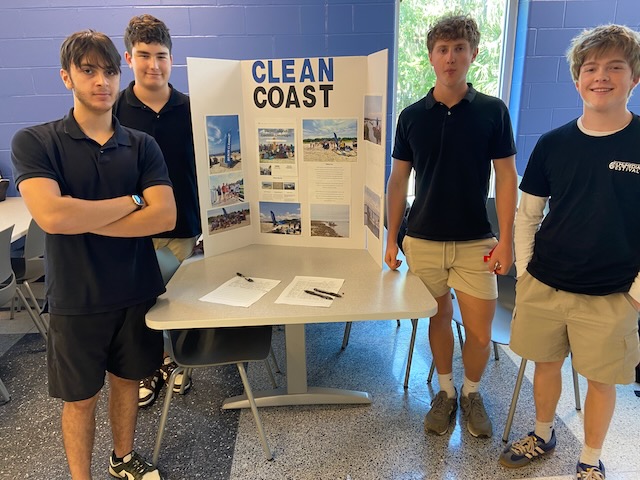
We work side by side with Clean Coast cleaning up island beaches, boat ramps, and other areas along our waterways. Our CSC Race Chair, Kelly Petrou and I, both board members of Clean Coast, just attended a Georgia Marine Debris Community Workshop along with representatives of multiple organizations such as Savannah Riverkeepers, Marine Debris Foundation, Keep Golden Isles Beautiful, UGA Marine Extension and more to develop a more cohesive collaboration between all groups. Many of our CSC sailors are also Clean Coast members.
8. Post Educational and Reusable Signage
The educational posts are a constant on our FB page, as mentioned earlier. I often re-post Sailors for the Sea posts, and any other environmental info that comes my way. This is a public page and has over 1000 followers, so hopefully they are reading the posts along with our members.
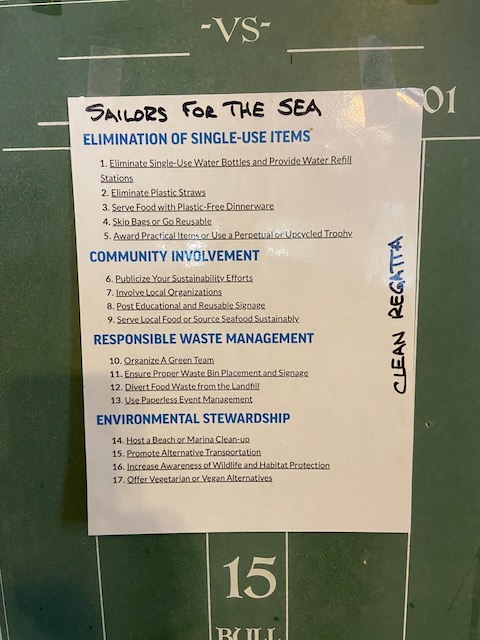
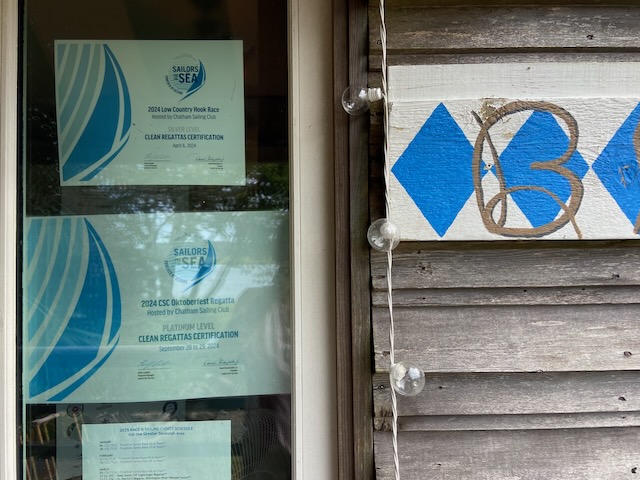
Sailors for the Sea Best Practices are also posted in our clubhouse and front windows.
All our signs are now laminated for long-term use.
9. Serve Local Food or Source Seafood Sustainably
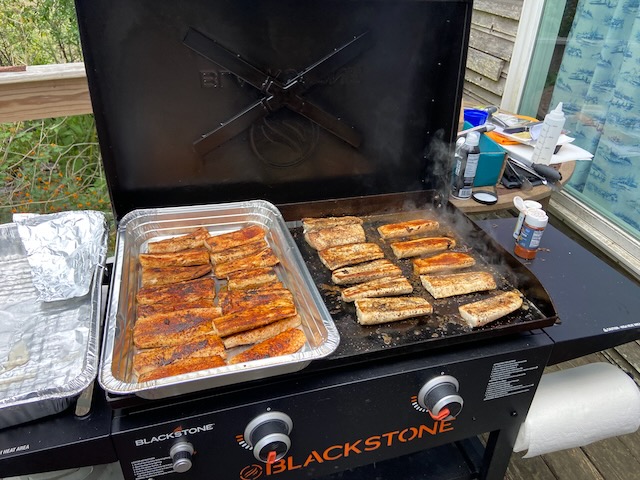
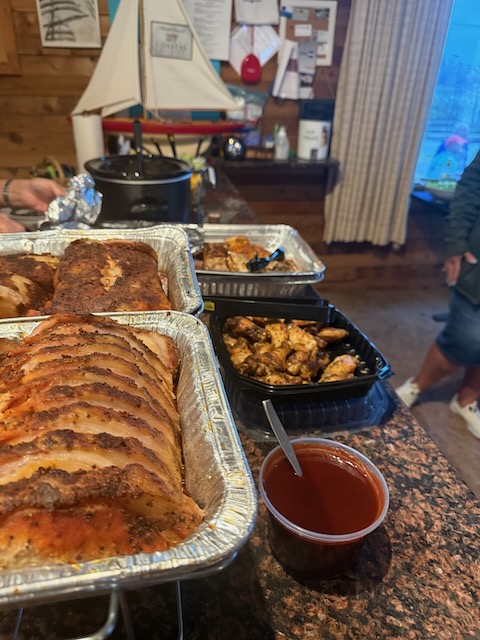
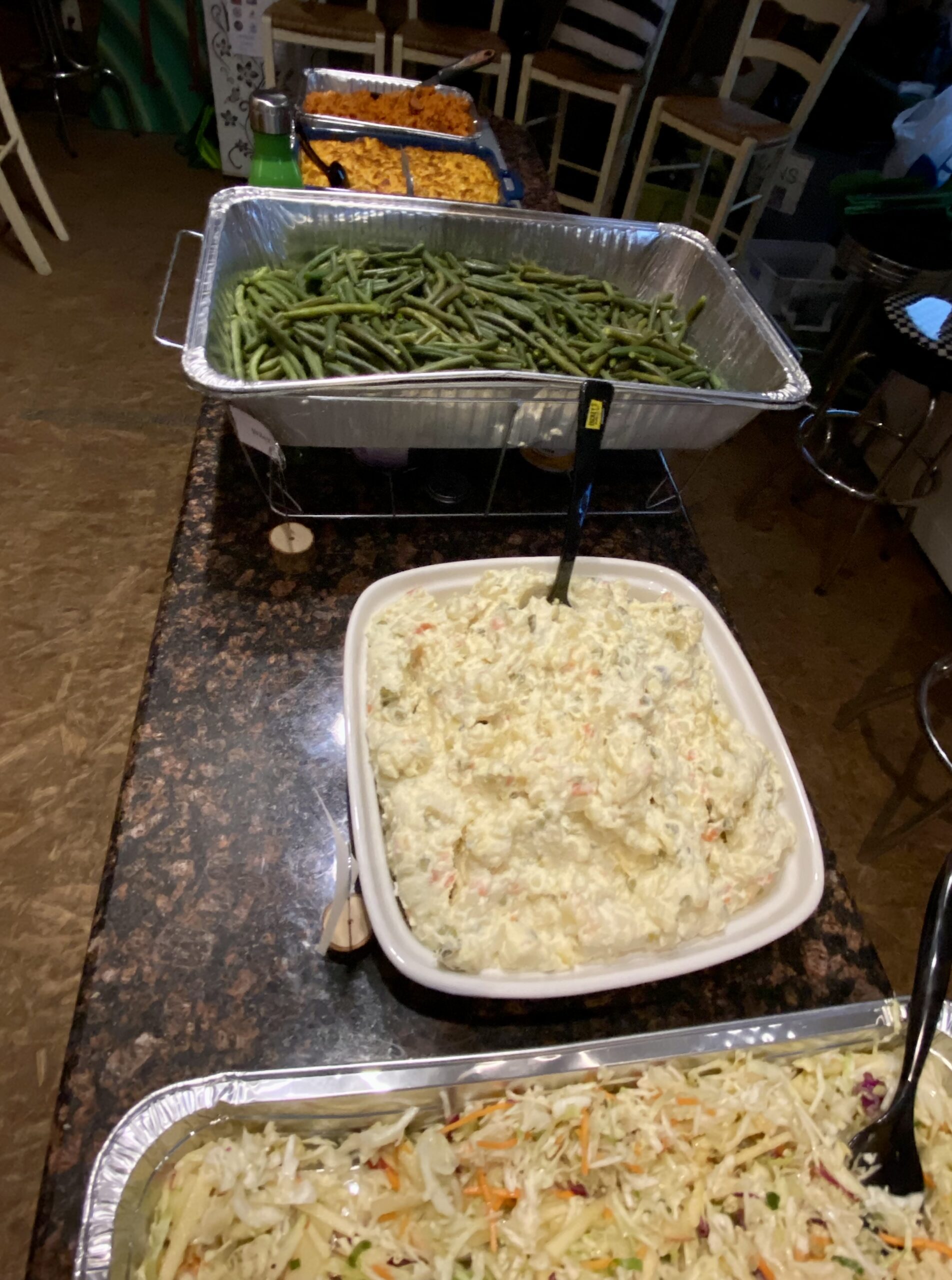
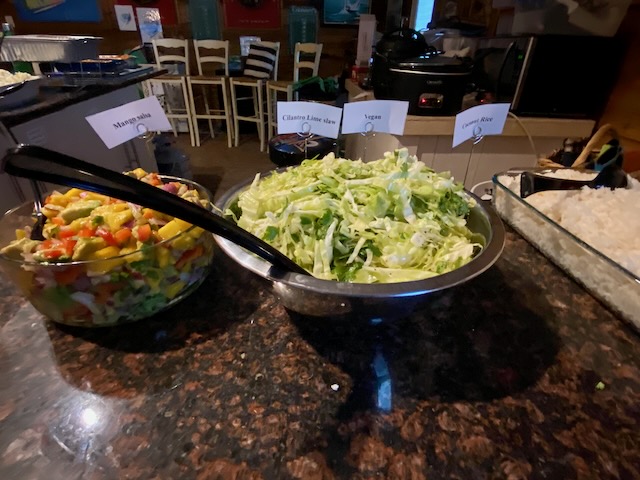
Our fish was from Tybee Island Seafood (local), always fresh and sustainably sourced, and our meat was from Ogeechee Meat Market (local). Much of the salad and veggie ingredients came from local farmers markets and vendors.
10. Organize a Green Team
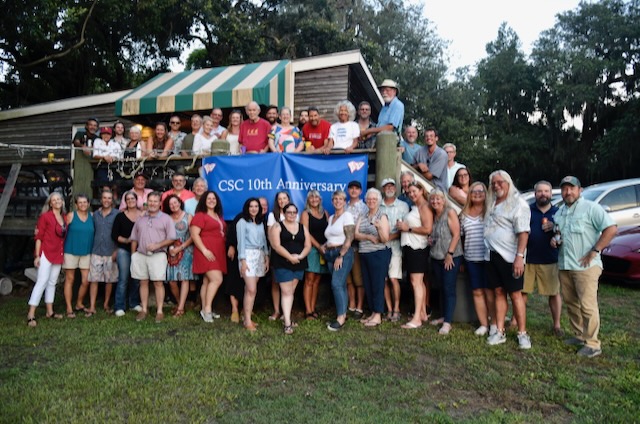
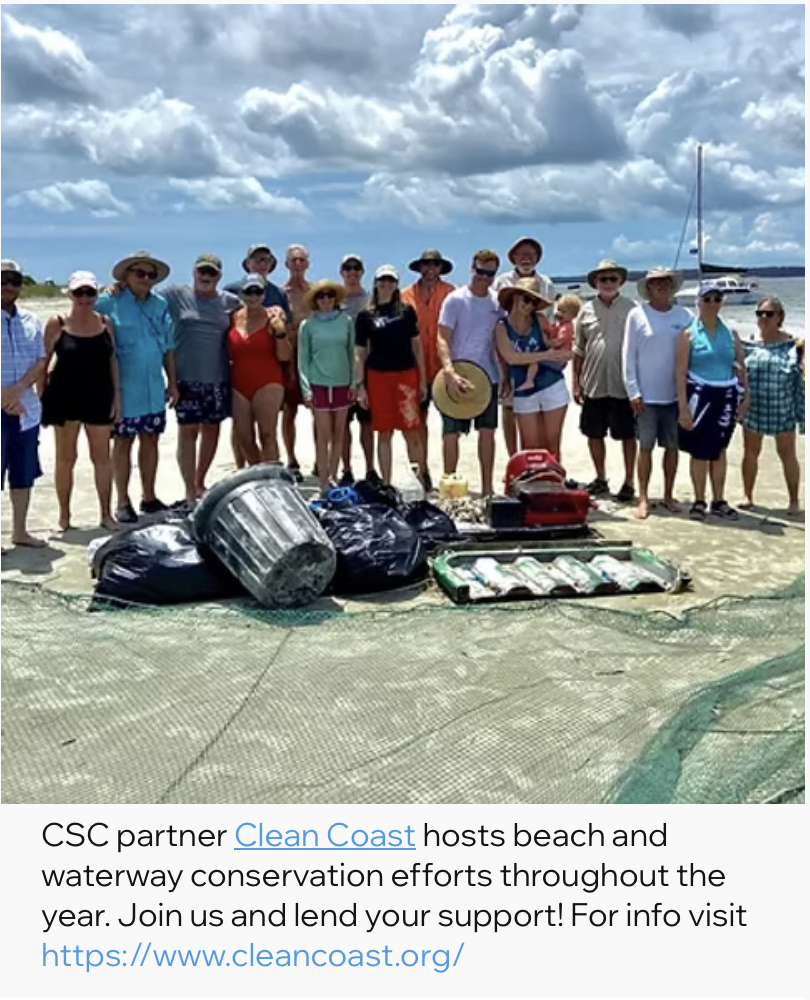
We are all part of the 'green' effort or in educating those not quite on board. We now have influenced other sailors and clubs outside our own in these efforts and it's working! We expect all of our CSC members to help with recycling-when the bins get full they get taken home to put in curbside bins or to local schools with can recycling, etc.. Pictures are a mix of sailors and other Clean Coast members, and our club group shot of sailors-I can point out at least 90% who've participated in cleanups and always help with our efforts as a club. 2 of our members now have ePropulsion motors.
11. Ensure Proper Waste Bin Placement and Signage
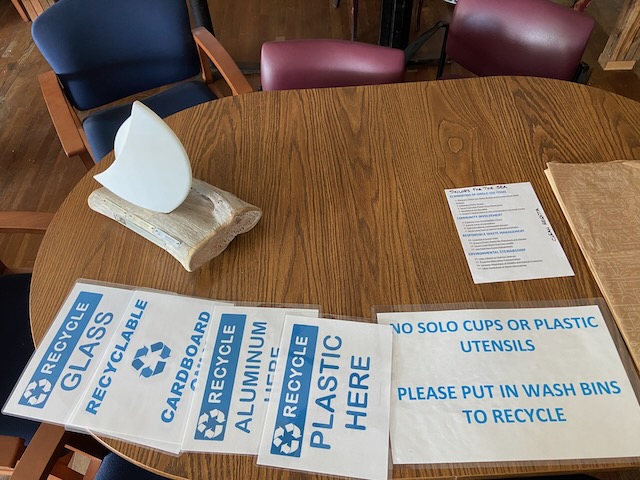
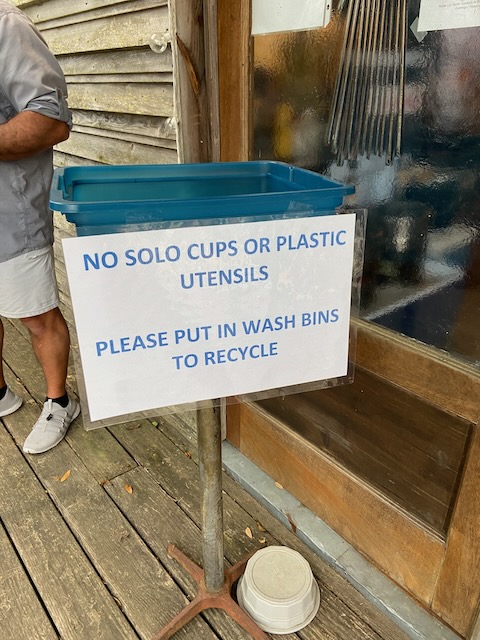
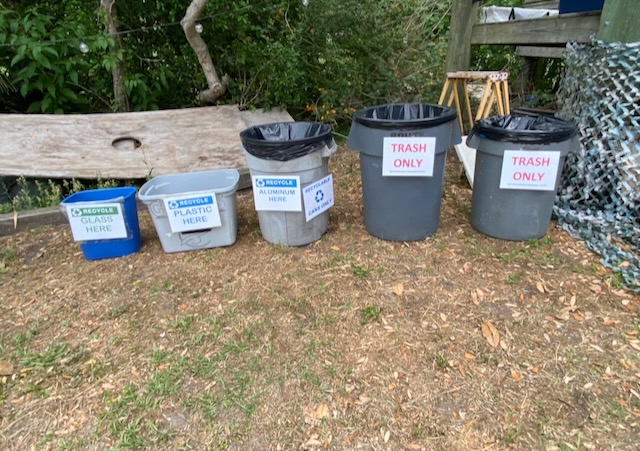
Signs, signs, everywhere! Signs remain visible inside the clubhouse year-round as well.
12. Divert Food Waste from the Landfill
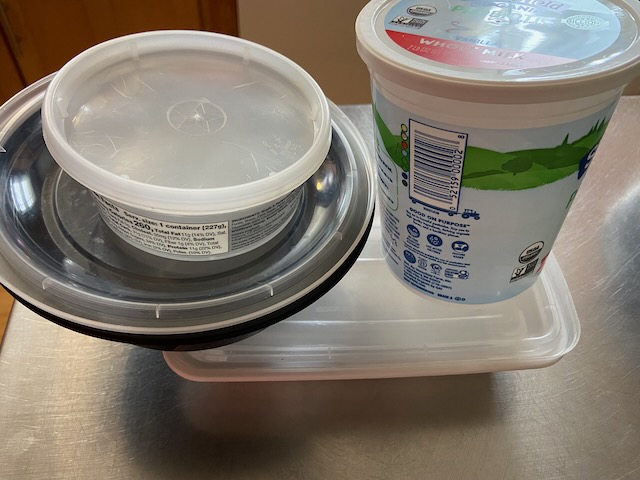
We encourage members to bring in their reusable containers, such as yogurt and carryout containers and this way we can send home leftovers. We also keep a stash of aluminum foil in case we run out of containers. We NEVER throw food away, therefore no need for composting (our landlord would not allow that on our property). Everything goes home with someone or gets donated.
13. Use Paperless Event Management
We use Regatta Network!
14. Host a Beach or Marina Cleanup
We join with Clean Coast on monthly cleanups, which include barrier islands, boat ramps, and other coastal areas. We are basically intertwined organizations. May 9th we will be cleaning Raccoon Key on our coast.
15. Prevent Toxins from Entering the Water
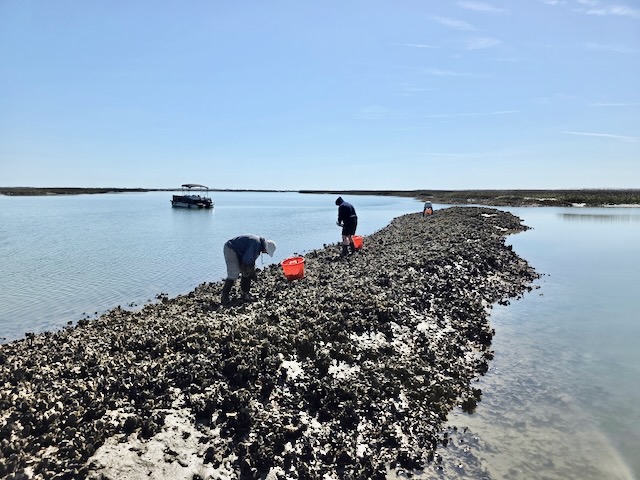
I don't know how to show this in a photo, so you just get an oyster harvest! We all are very cognizant of waste in our waterways, as we all eat the local seafood, shrimp, crabs, oysters, fish. Our sailors willingly keep trash on board until back on land where it is either recycled or put in dumpsters. Heads are never discharged illegally, as our marinas and surrounding areas are regulated according to marine discharge laws. Some of our racers use composting toilets which is a best practice. We encourage sailors to use non-toxic cleaning supplies. Boats are scraped for barnacles and growth, or hauled out for serious cleaning and painting.
16. Increase Awareness of Wildlife and Habitat Protection
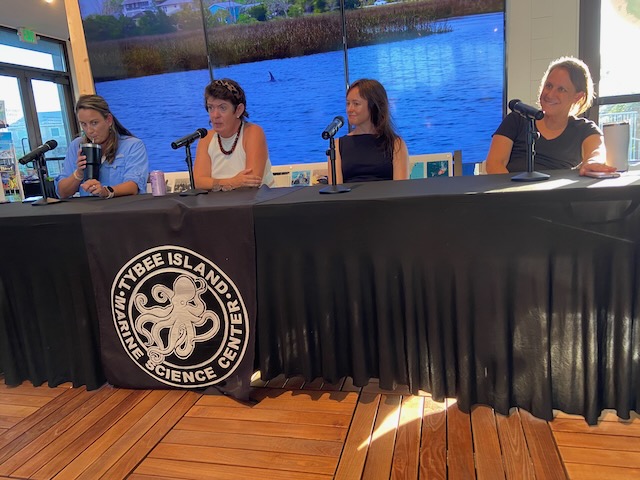
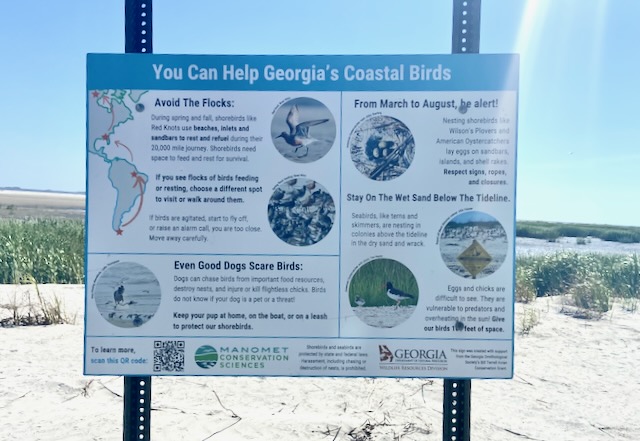
I post frequently about local wildlife, especially our birds and dolphins. We attend events at Skidaway Institute of Oceanography about our marshes (big habitat) and sea life, and have speakers come to our club for "Wisdom Wednesday". One photo here is of Rene Heidt of Sundial Charters (a certified naturalist, also a sailor and club member) speaking at the Tybee Marine Science Center about dolphins along with professors from Savannah State University's Marine Sciences program. Many of our member attended these and other events.
17. Offer Vegetarian or Vegan Alternatives
Always, and even some gluten-free options. We have a number of vegan/vegetarian sailors so always have options.
18. Promote Alternative Transportation
This is posted on our FB page: For crew who don't sail to Hilton Head on Friday many of us carpool to the dinner and also the day of the Hook to meet our boats. And did you know CSC will pick up sailors docking at SYC and bring them to the party if requested? Just ask!
This year only 3 cars were used to carry about 10 of us to Hilton Head the night before the race. Of course, all except the drivers sailed back to Savannah. Also we had 2 members bicycle over to the clubhouse (party) after the race.
19. Reduce Day-of Emissions
Posted on our FB page: As an ocean race the course is based on rounding government marks, so only the start line and finish lines are set marks. Only one power boat is used. We have no spectator boats, but folks can watch the finish from land. There was one additional follow small power boat as a safety requirement to accompany the youth racers across the approximately 32 miles of ocean.
20. Inspire Future Action
As we continue our ongoing efforts to hold Clean Regattas we are finding that participants and club members are much more aware of our reasons and guidelines. I learned that one racer from another club was from a Chicago club that always held Clean Regattas and she was working to continue that here at her club who we race with. She will be moving to Charleston SC where she can further influence and inspire. I currently am working with high school students who have created a Clean Coast club at their 2 schools. The first Clean Coast Club was started last year at Savannah Arts Academy by the son of one of our members, who is also a member of Clean Coast. He and his friends got it going and even had a student documentary made about it-the director of that is a sailor, as are his parents. A graphic design student also designed a logo. This year a 2nd high school, Islands High School (teacher is a friend of mine) started a 2nd club. It’s a work in progress as is any school club. But they have held their own cleanups this past year as well as participating in the organization’s cleanups. Hoping to get both clubs more fully off the ground next year.
Here’s the video: https://www.youtube.com/watch?v=5cQyRCySdZM