

Event Details | |
| Host | Yacht Club Costa Smeralda |
| Location | Porto Cervo, Arzachena, Italy |
| Certification Level | Platinum |
| Website Link | https://www.yccs.it/en |
Best Practices Achieved
1. Eliminate Single-Use Water Bottles and Provide Water Refill Stations
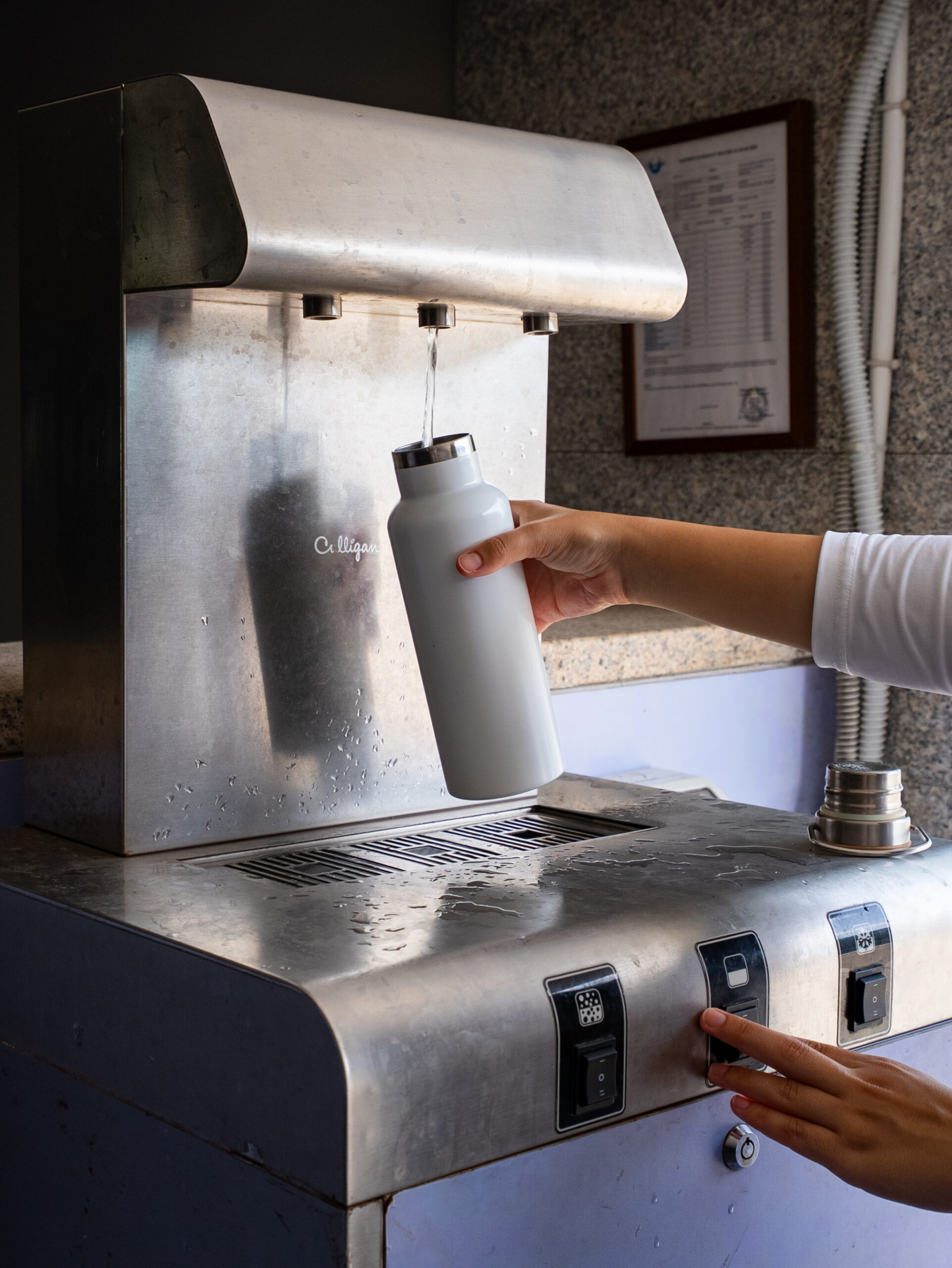
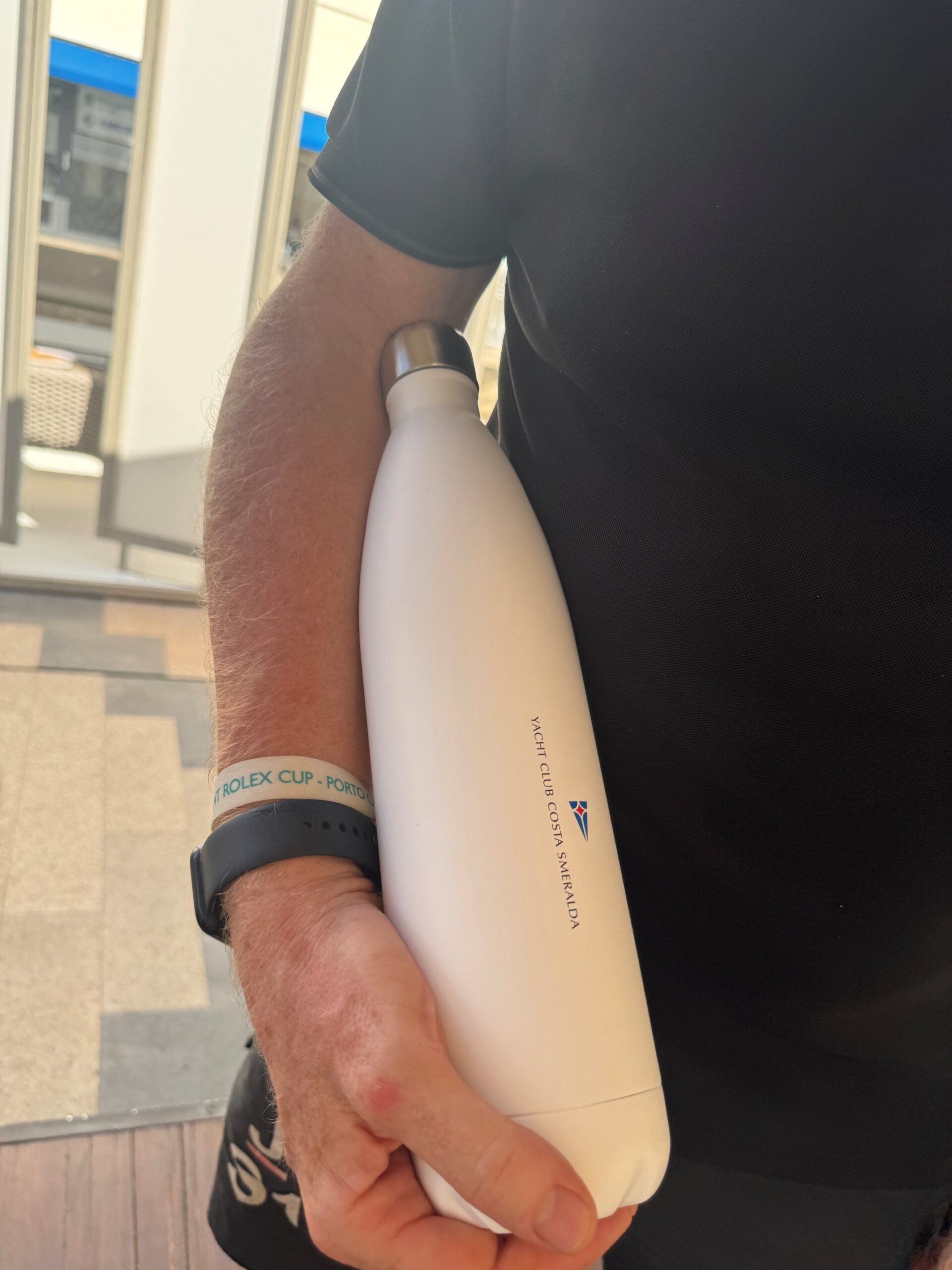
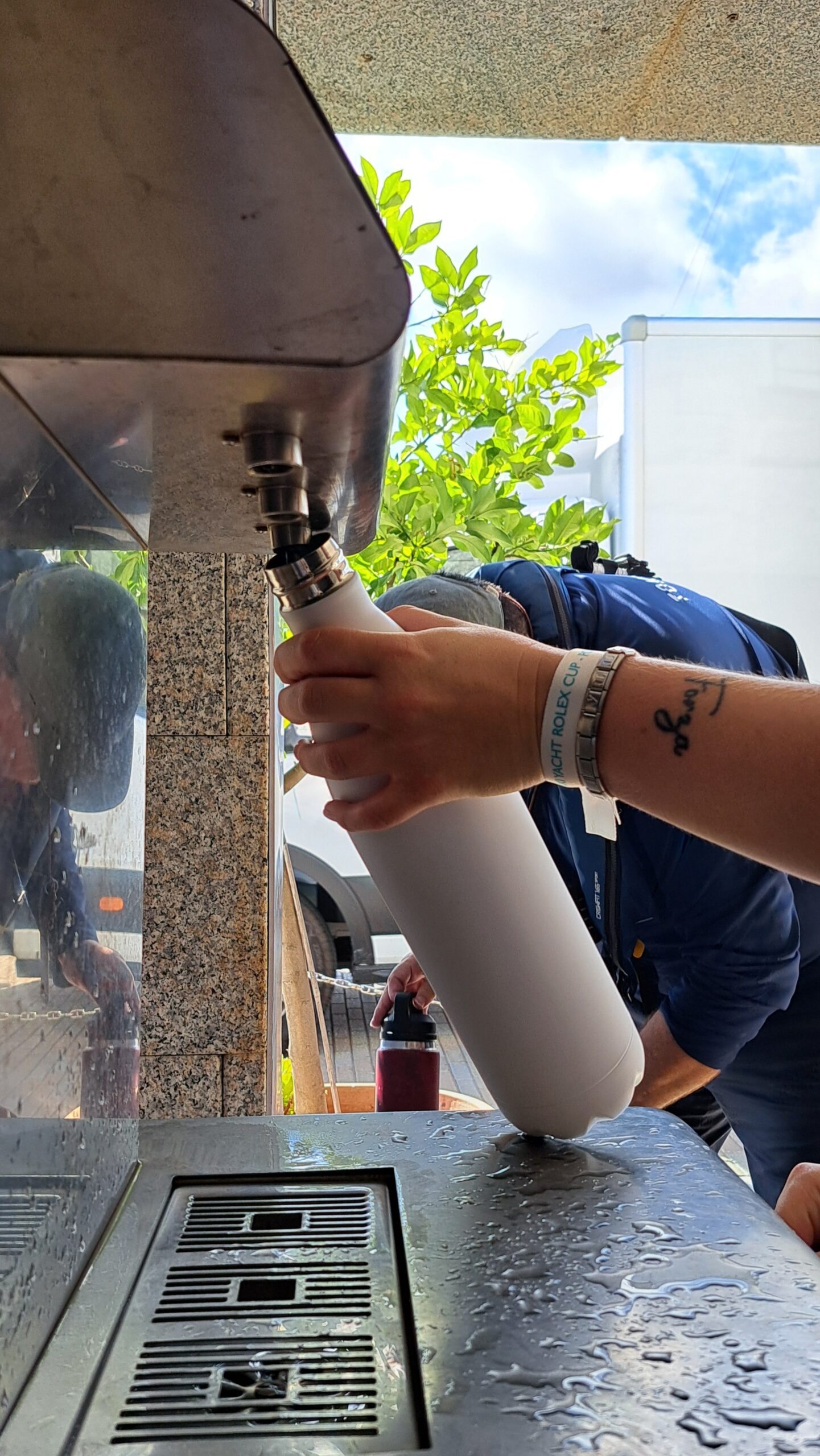
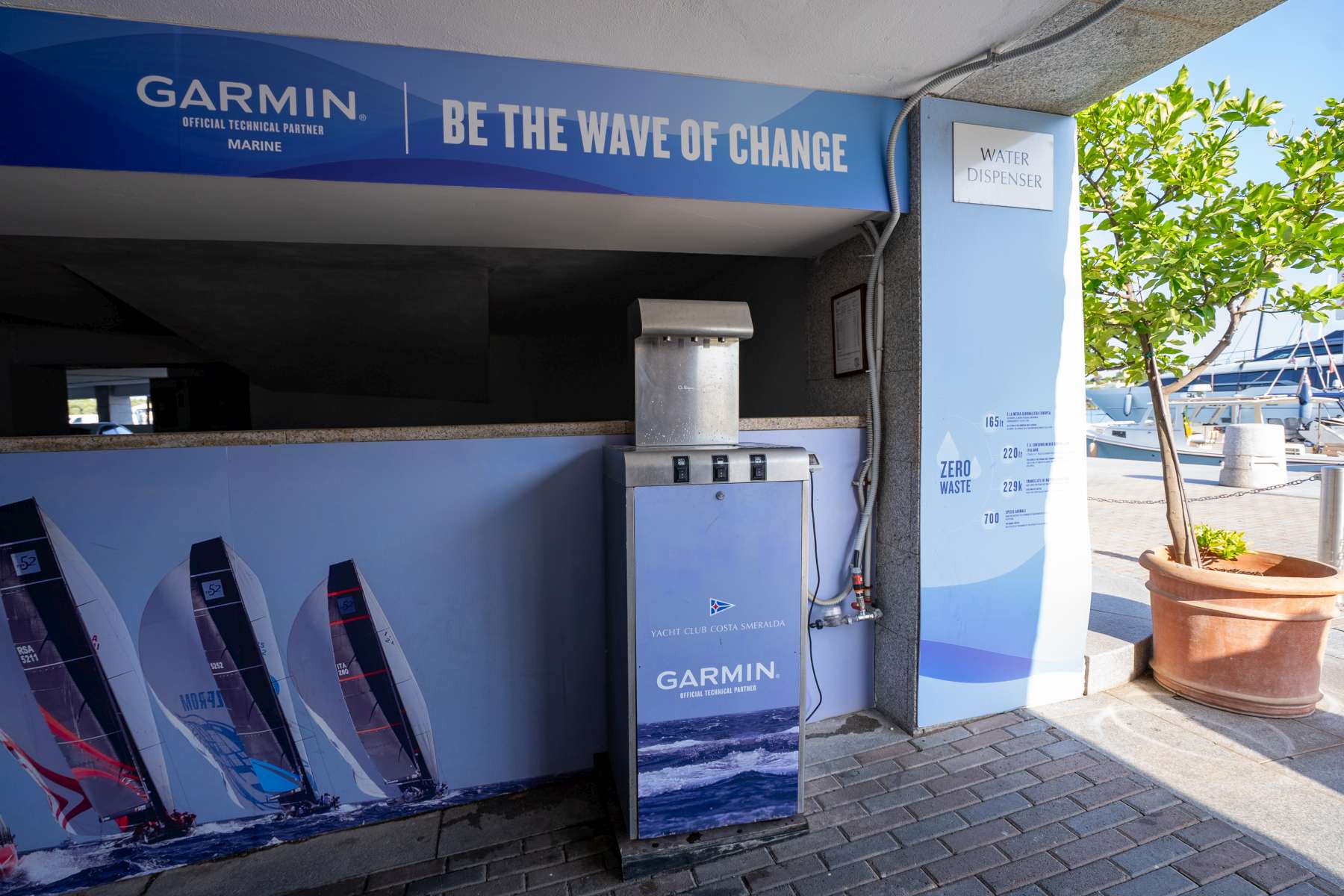
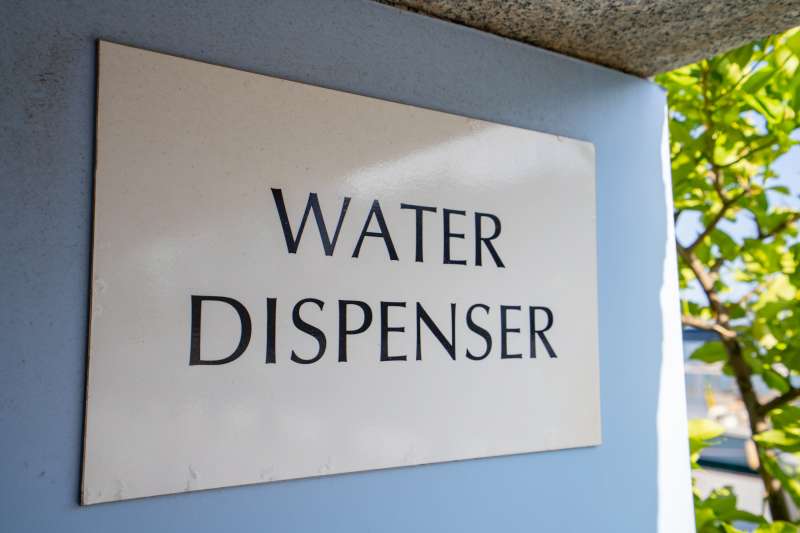
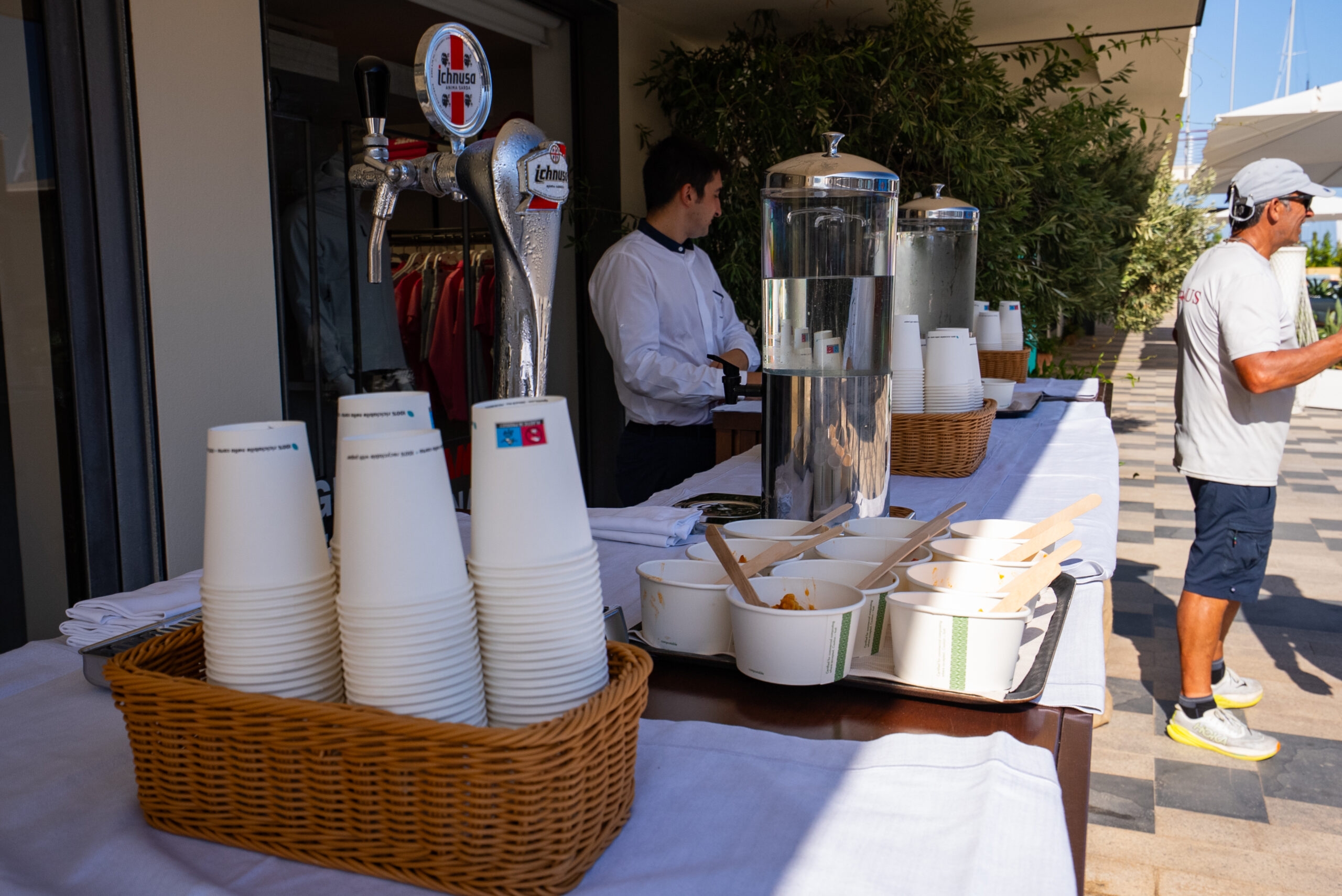
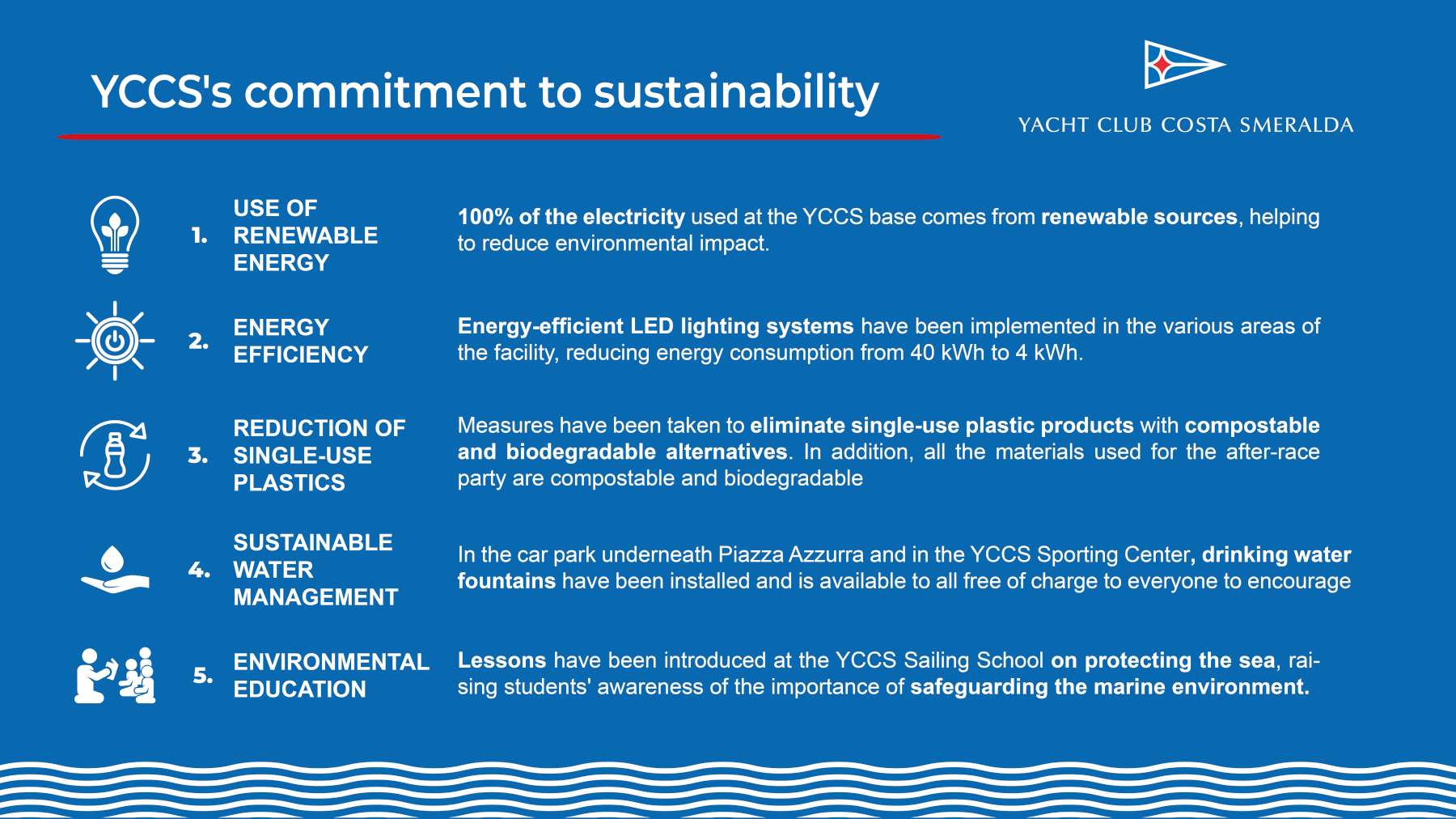
Reusable water bottles were provided to the media team and accredited media representatives, encouraging the adoption of more sustainable practices throughout the event. A drinking water fountain is permanently available outside the YCCS, and all competitors, teams, and event personnel are informed of its availability. These initiatives contributed to reducing the consumption of single-use plastic water bottles by promoting on-site refilling.
2. Eliminate Plastic Straws
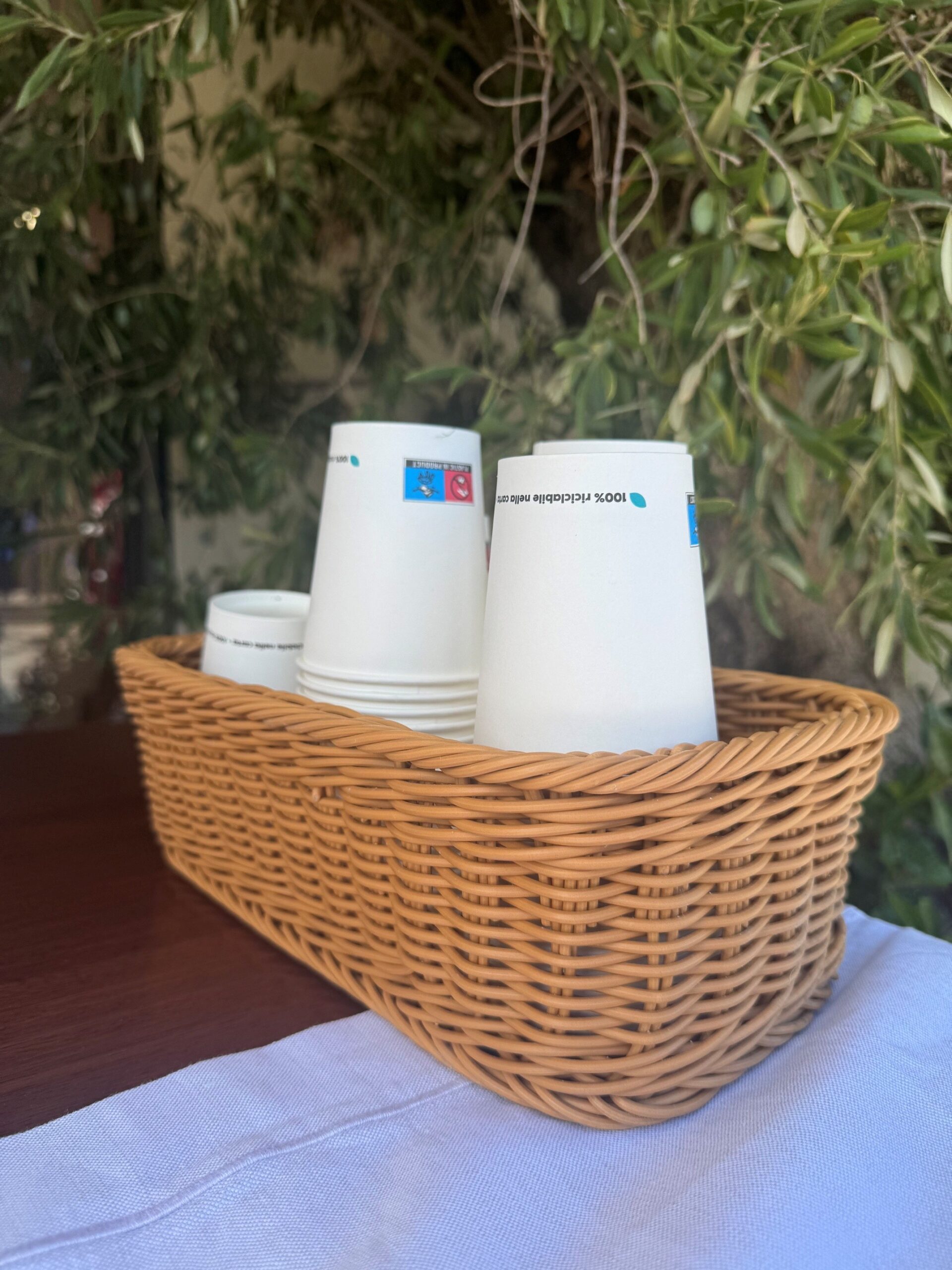
Plastic straws are no longer available at the YCCS and, as a result, were not used or distributed during the event. Drinks were served in 100% recyclable paper cups.
3. Serve Food with Plastic-Free Dinnerware
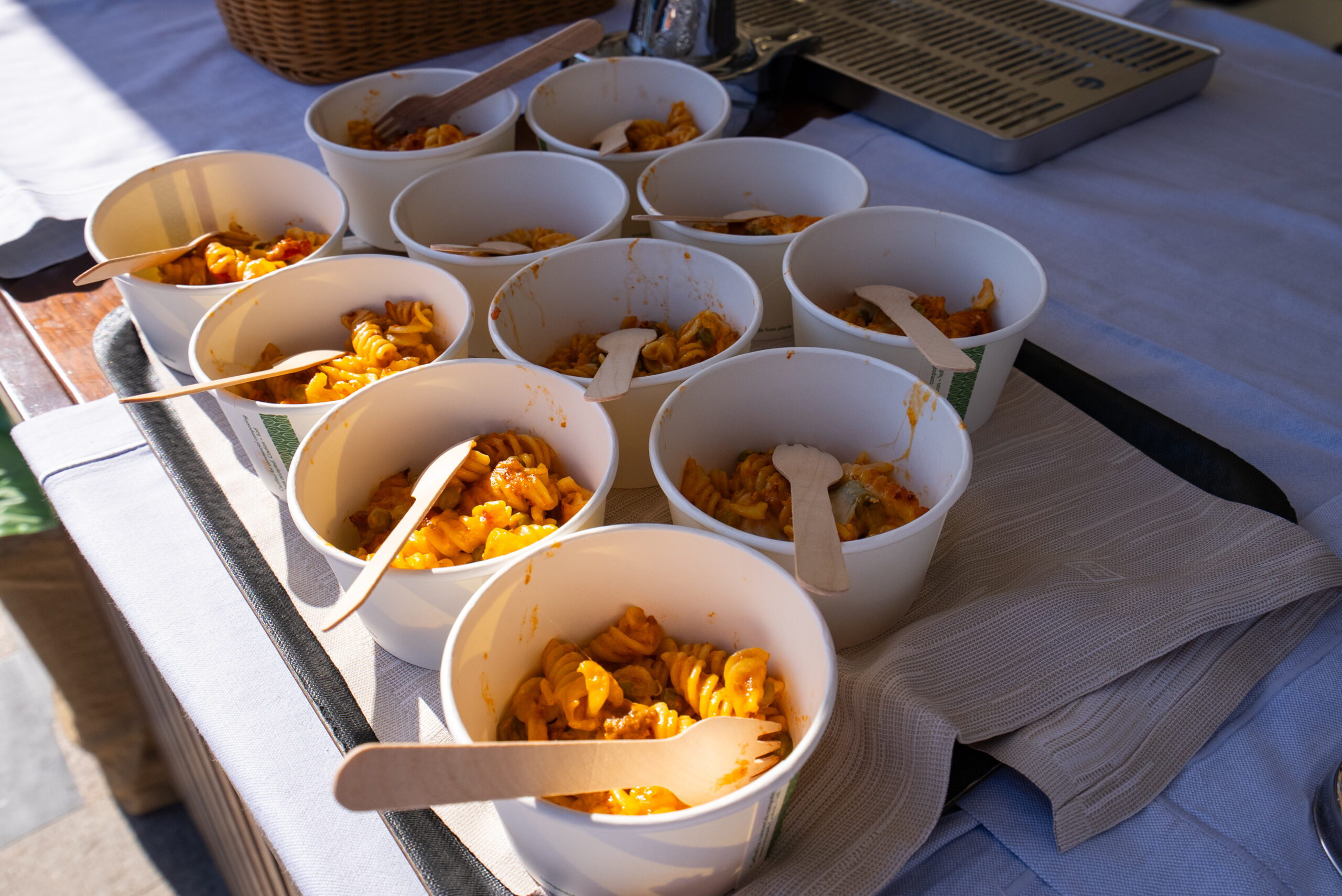
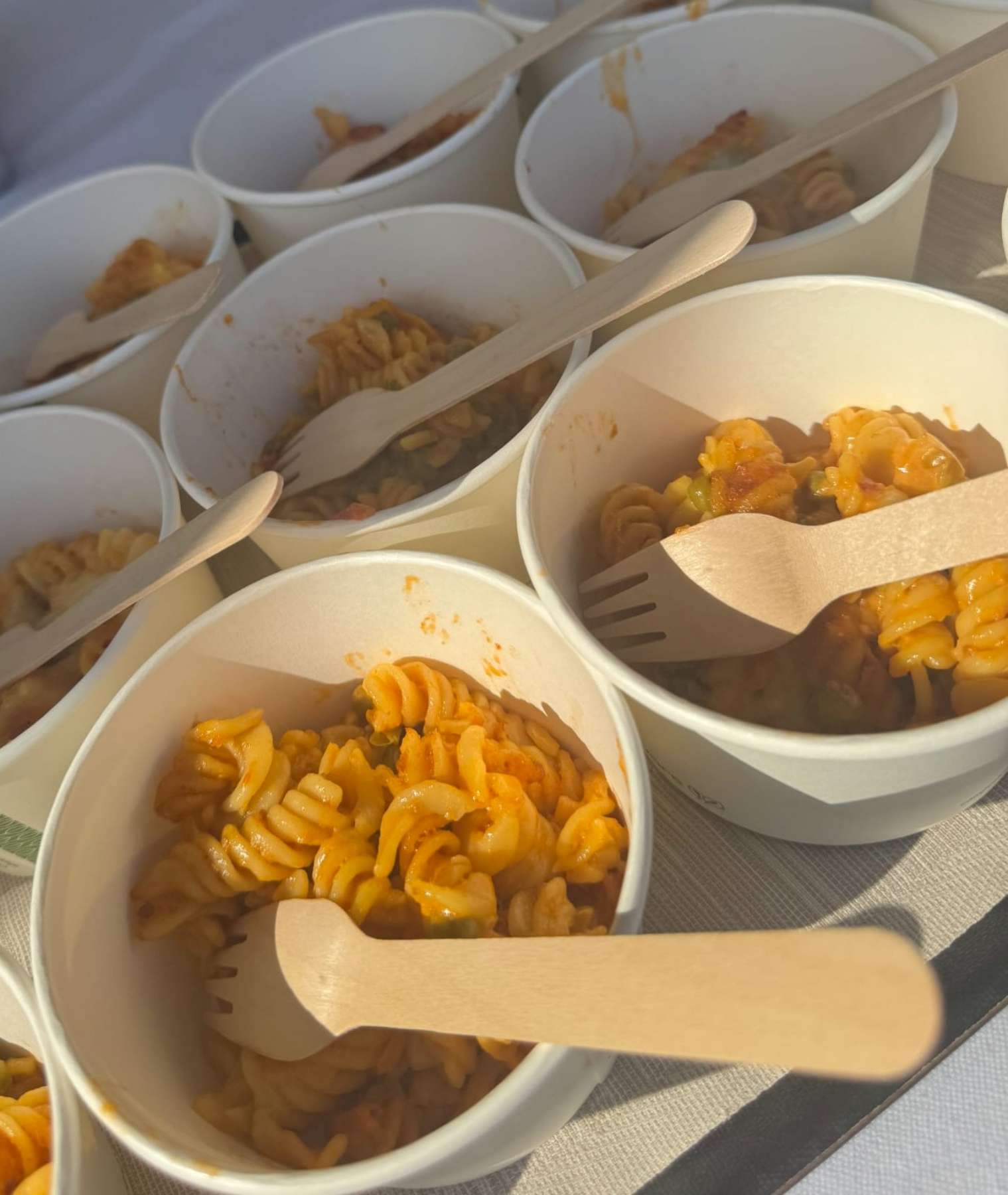
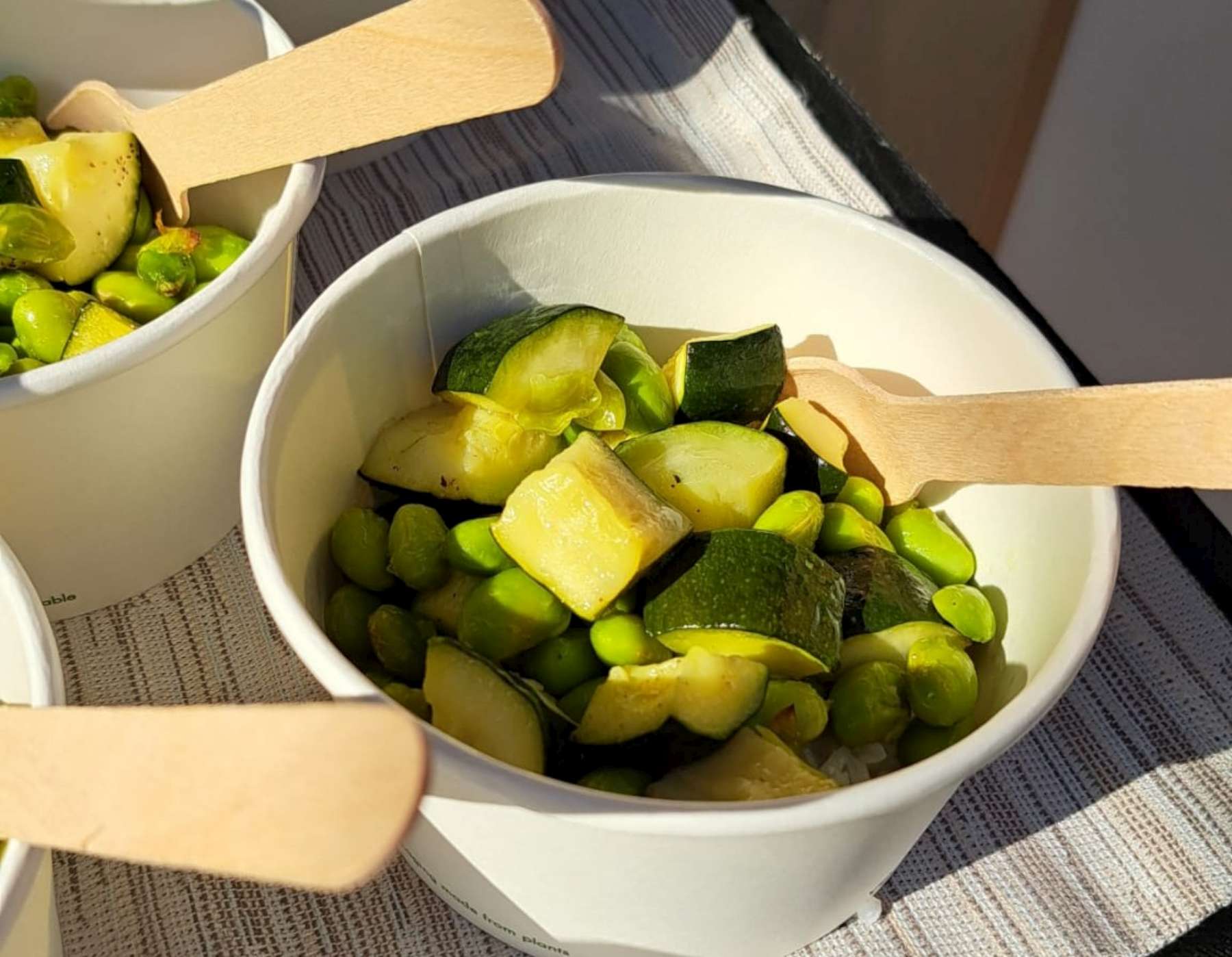
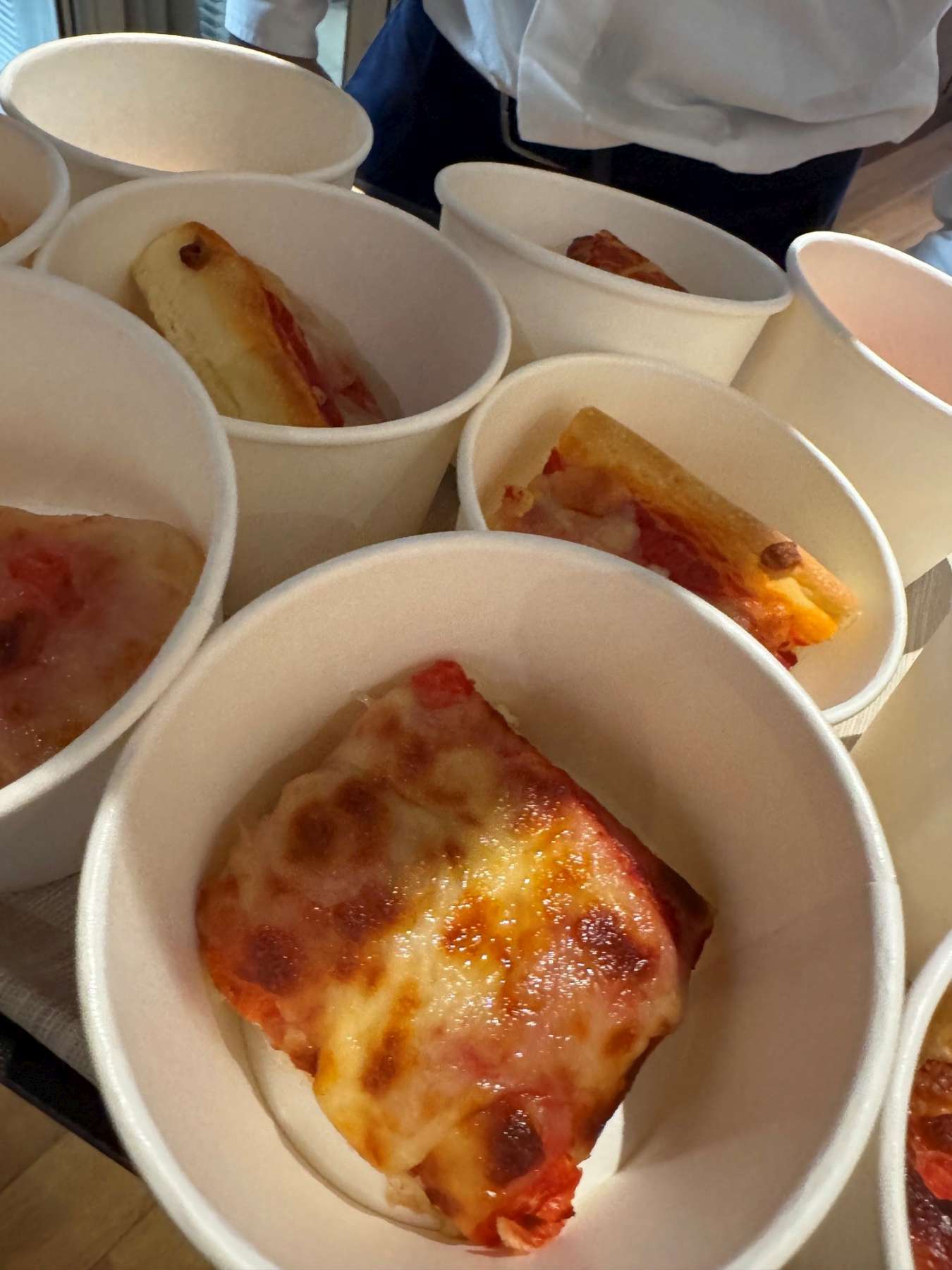
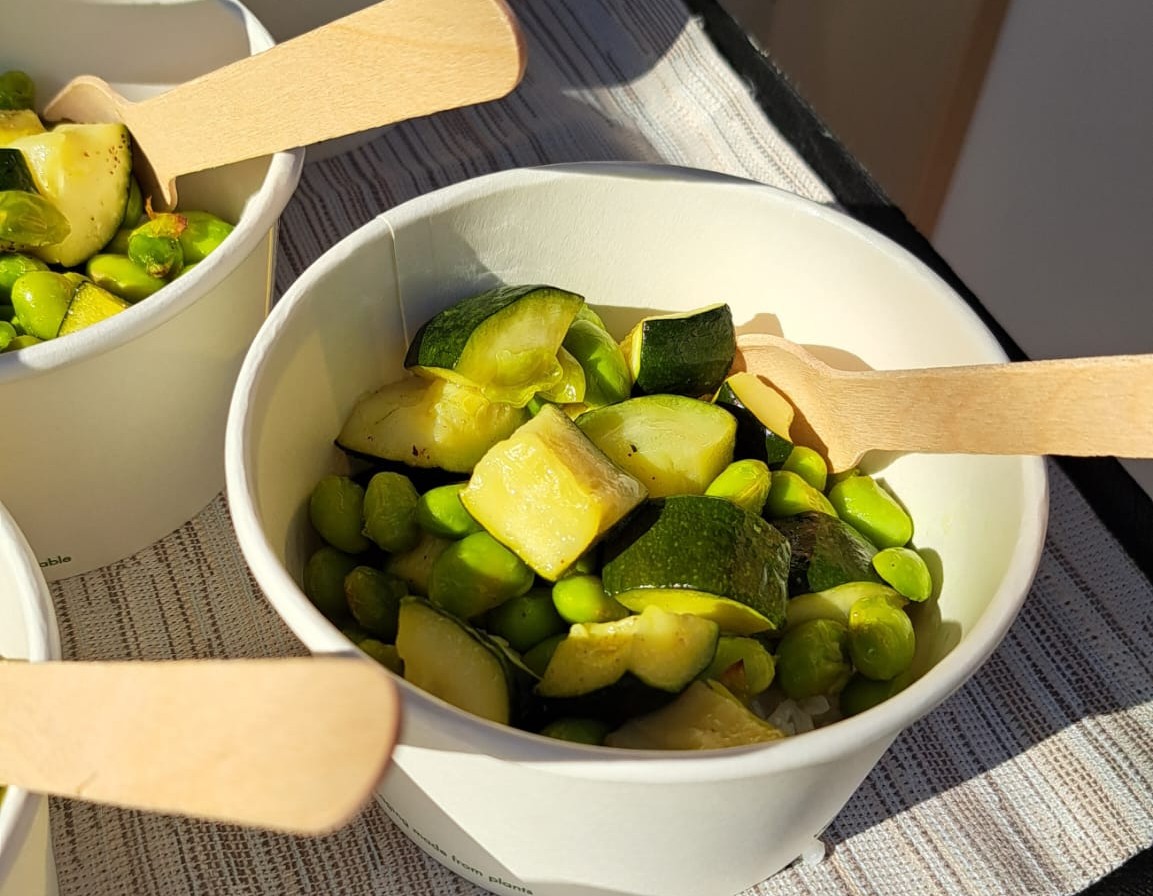
After-race refreshments were served using biodegradable alternatives, including cellulose pulp plates, paper cups and wooden cutlery. During social events held at the YCCS, food and beverages were served on reusable ceramic plates, in glassware and with metal cutlery, minimizing the use of single-use materials.
4. Skip Bags or Go Reusable
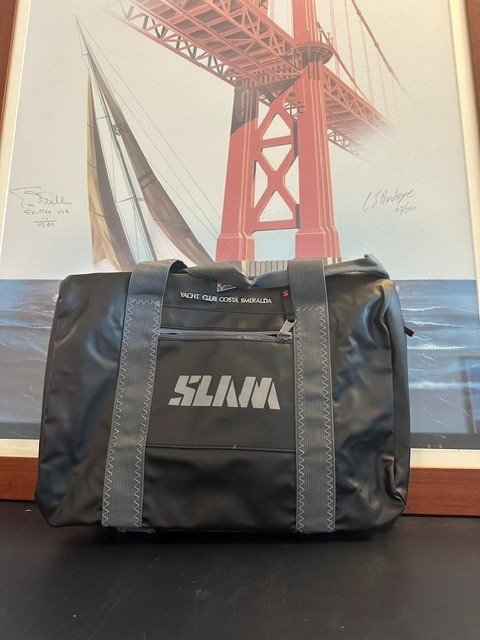
Skippers’ bags were distributed to all participating teams.
5. Award Practical Items or Use a Perpetual or Upcycled Trophy
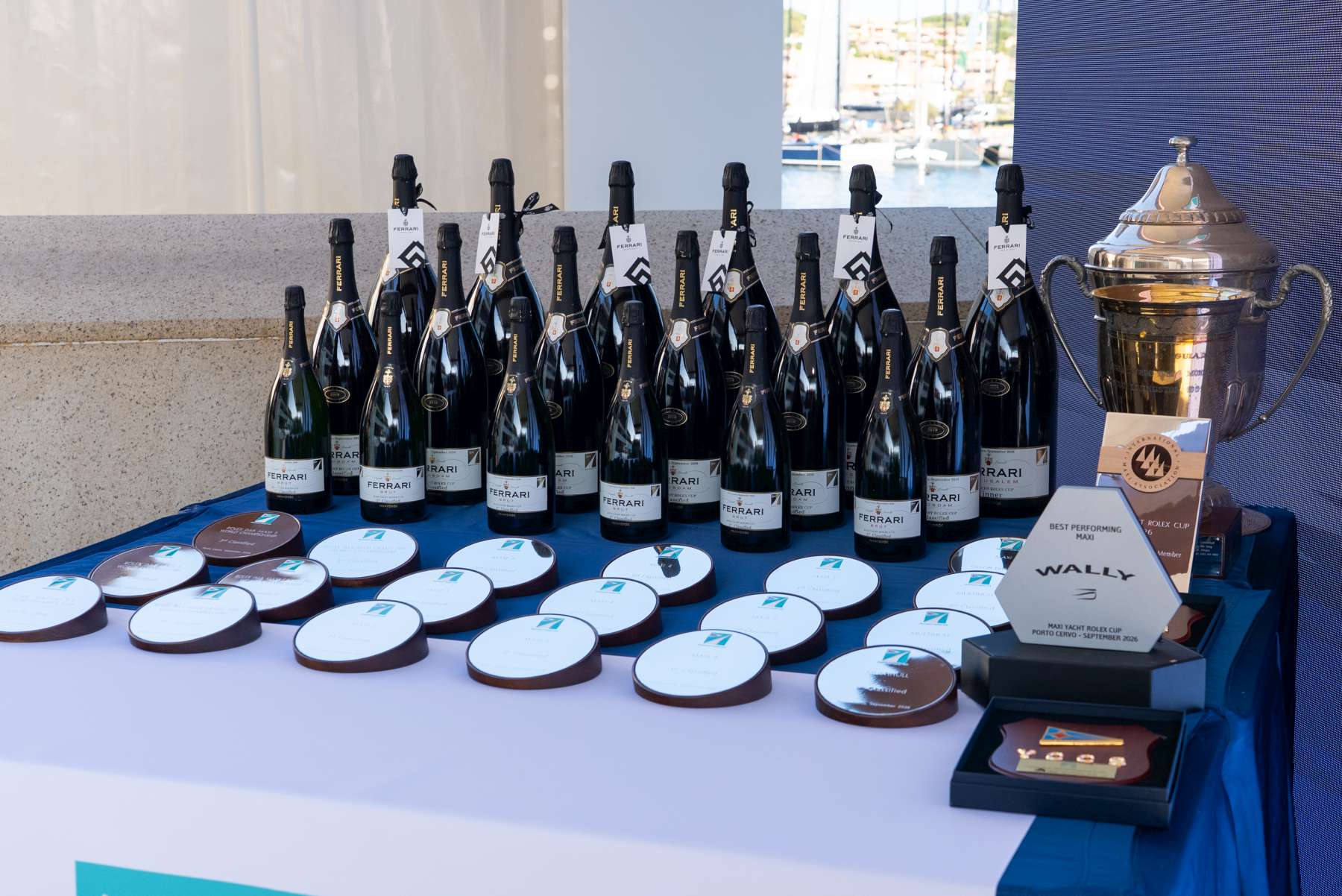
The winners were awarded perpetual trophies, while special and partner awards consisted of valuable prizes.
6. Publicize Your Sustainability Efforts
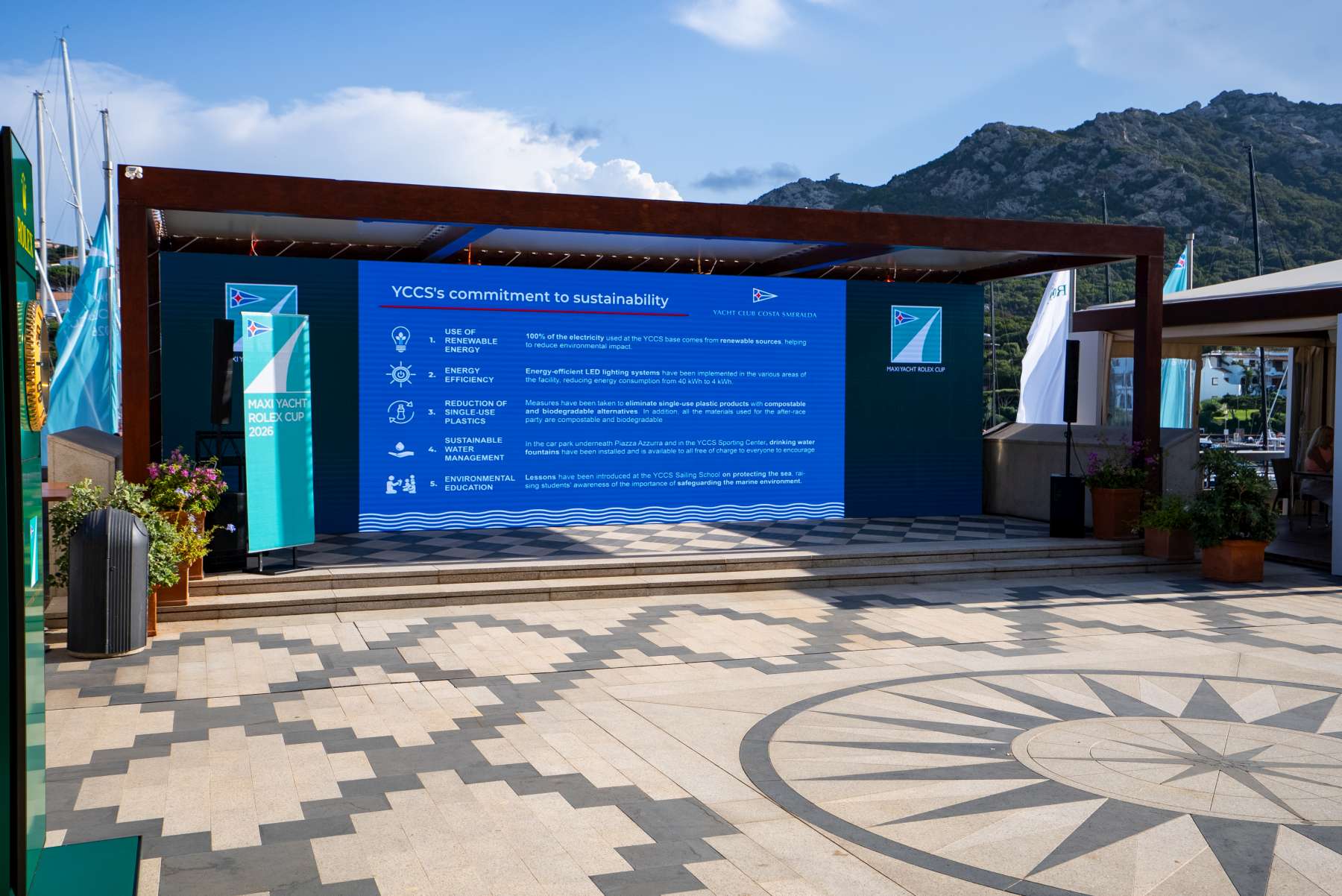
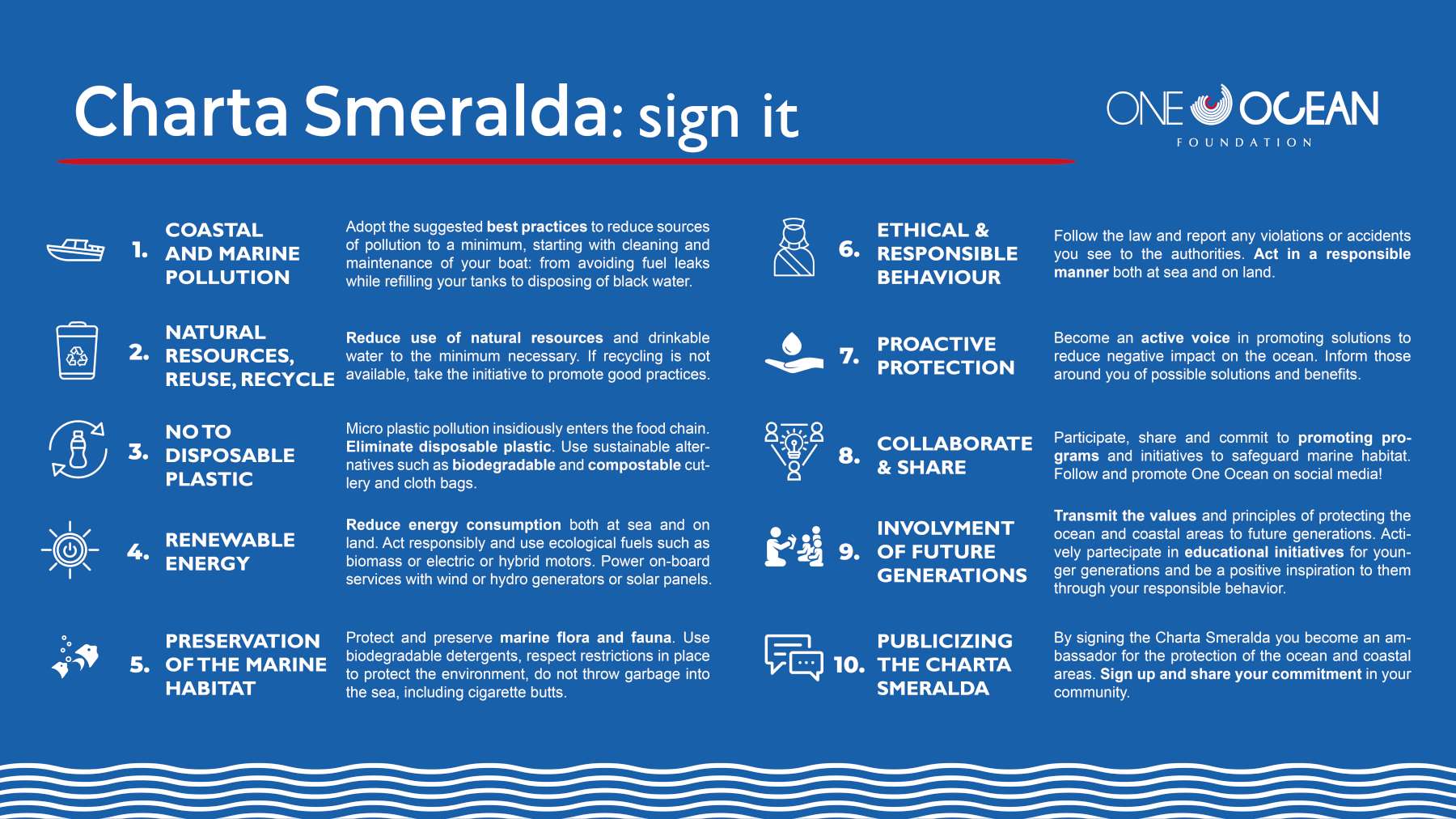
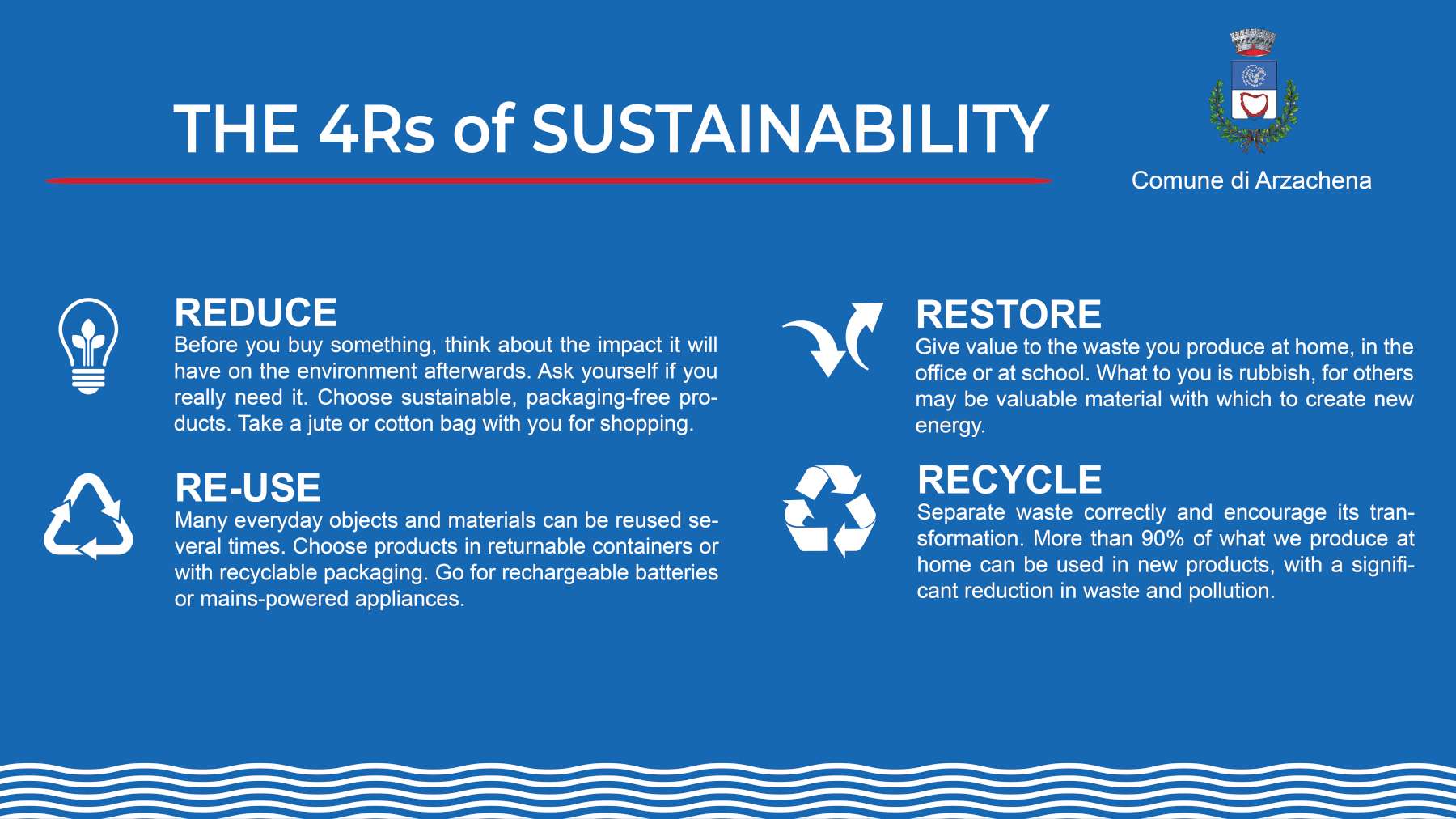
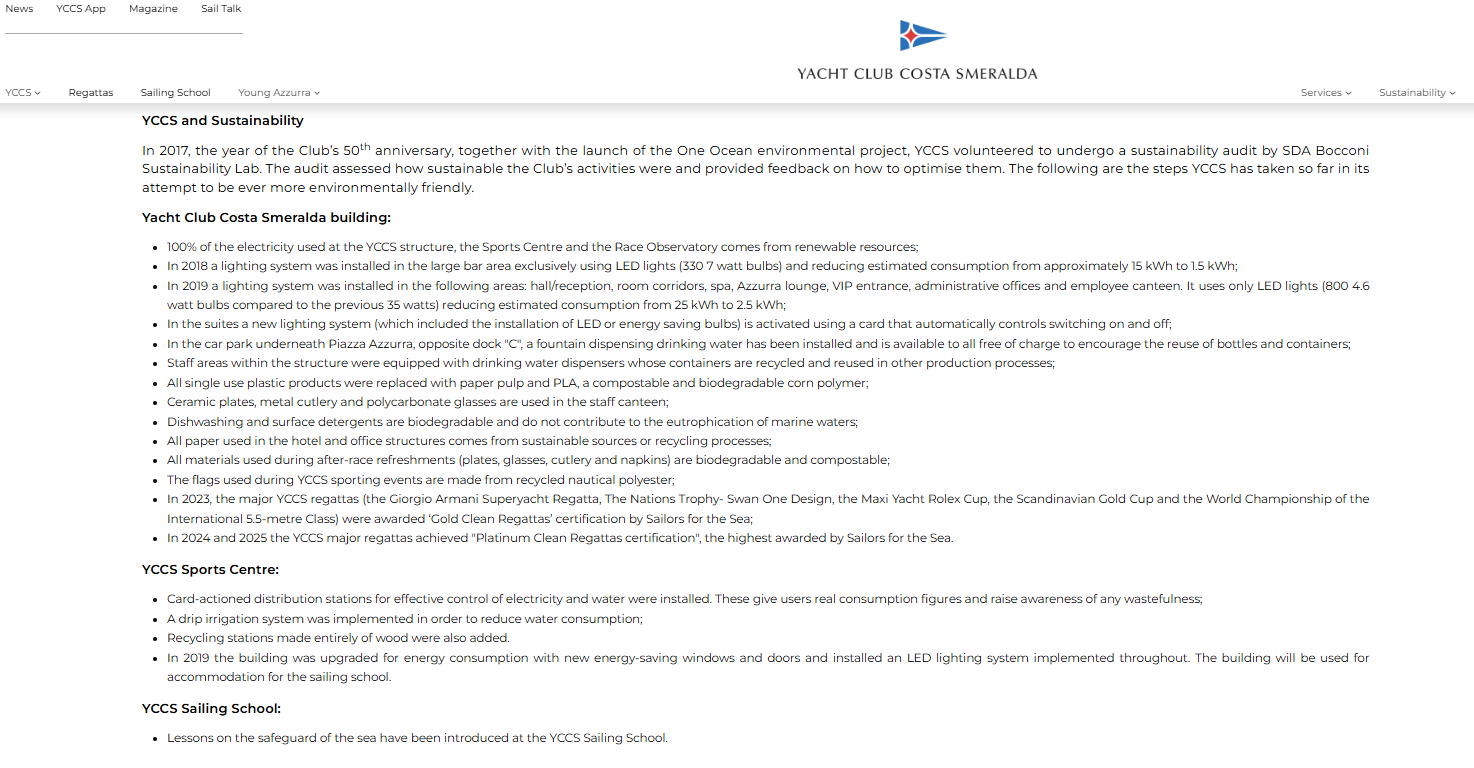
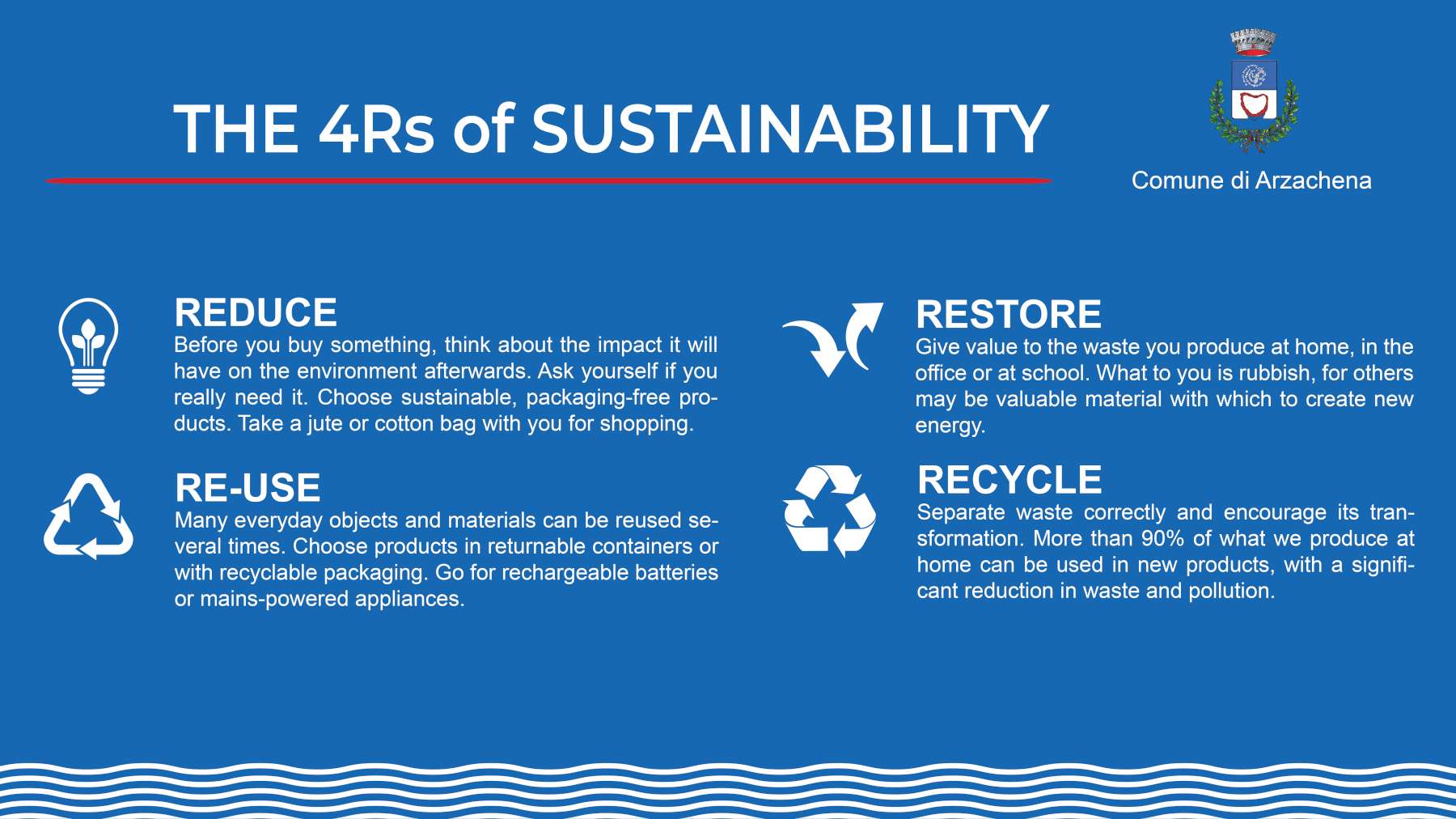
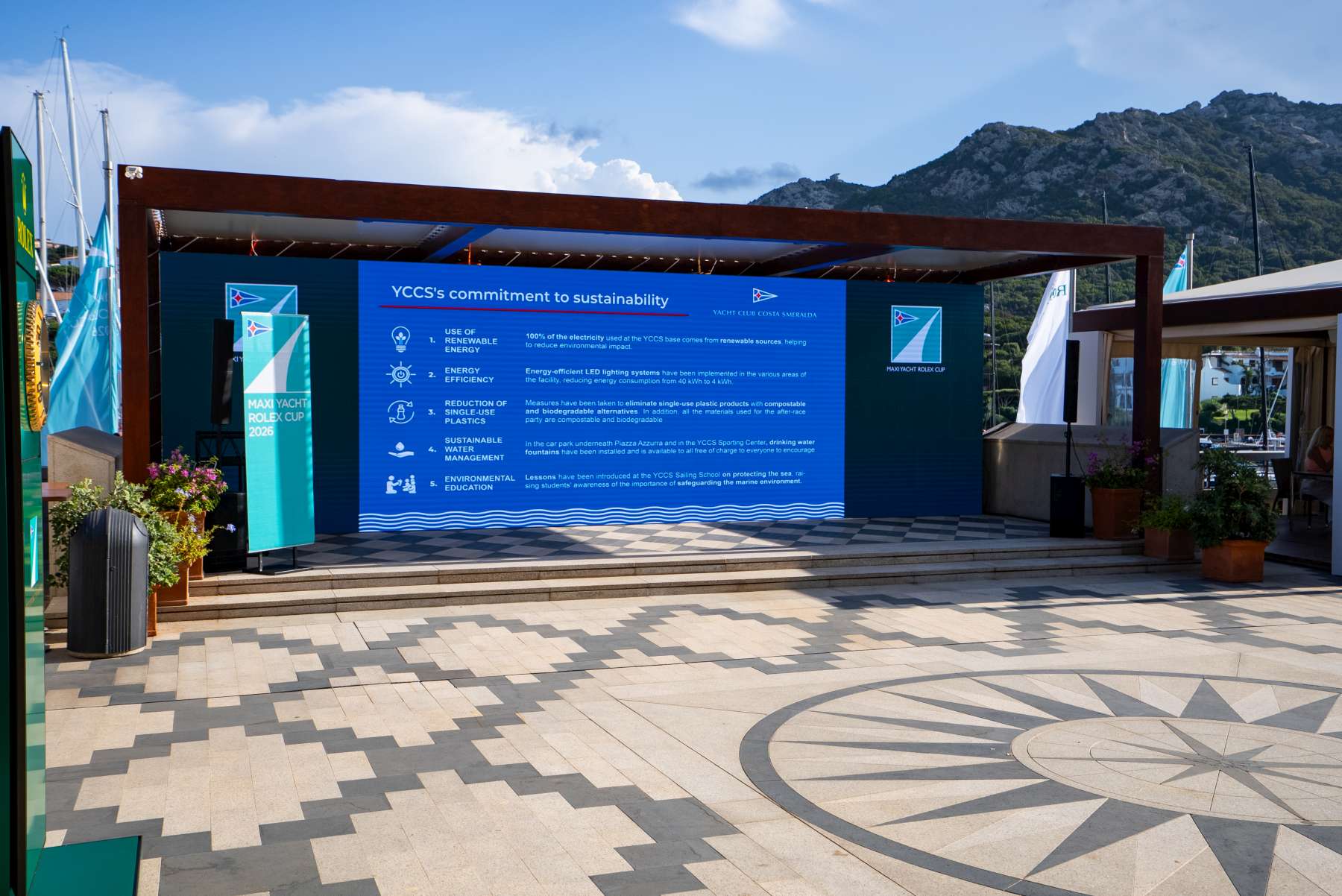
The YCCS official website features a dedicated Sustainability section outlining the Club’s commitment to environmental responsibility, including the Charta Smeralda and the Code of Ethics. During the event, the Charta Smeralda, the 4Rs principles promoted in collaboration with the local organizing authority, and the sustainability initiatives undertaken by the YCCS were regularly displayed on the regatta village LED wall.
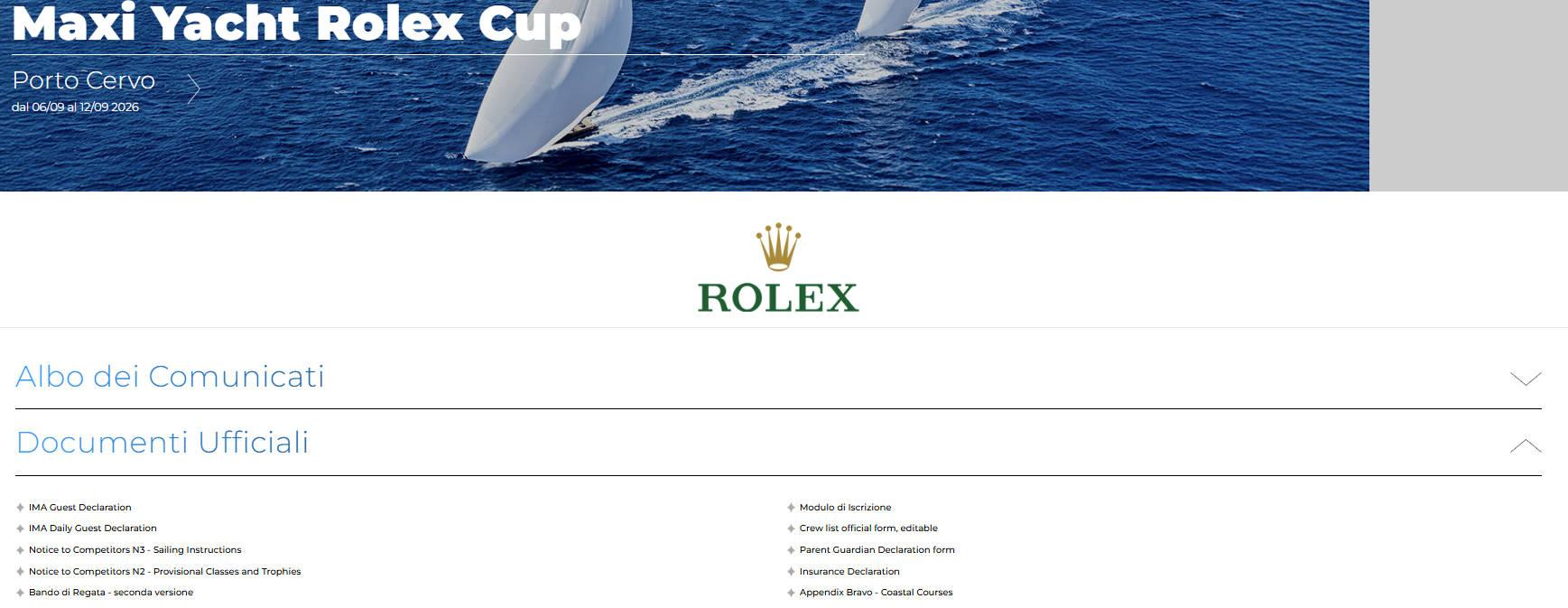
Section 17.5 of the Notice of Race highlighted the importance of sustainability, encouraging participants to respect the marine environment and to practise the sport of sailing while minimizing its environmental impact.
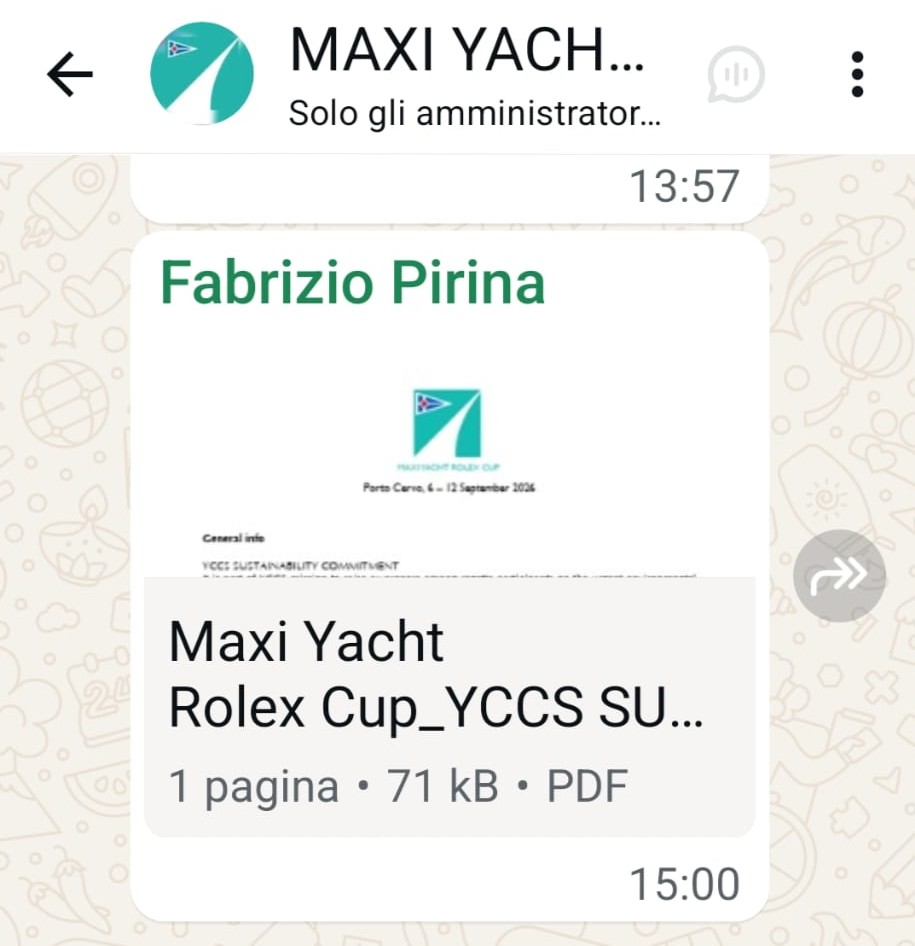
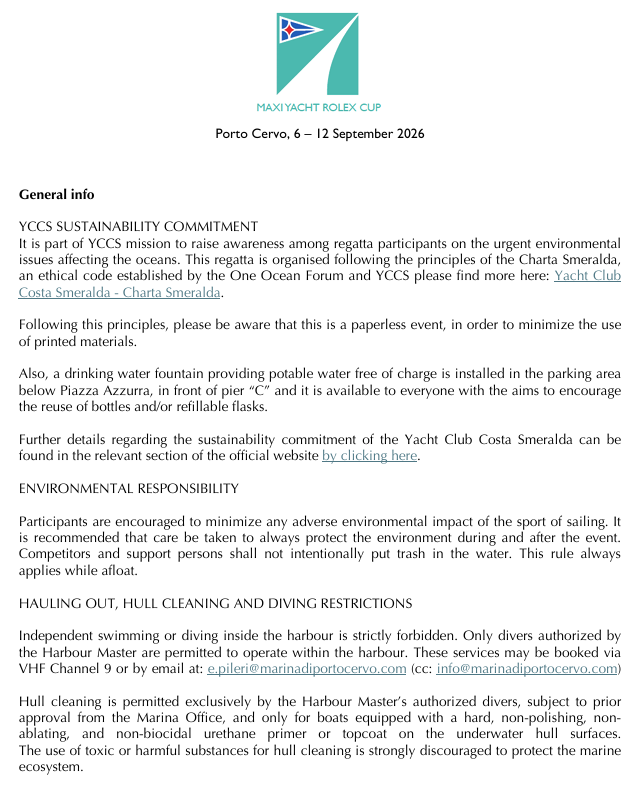
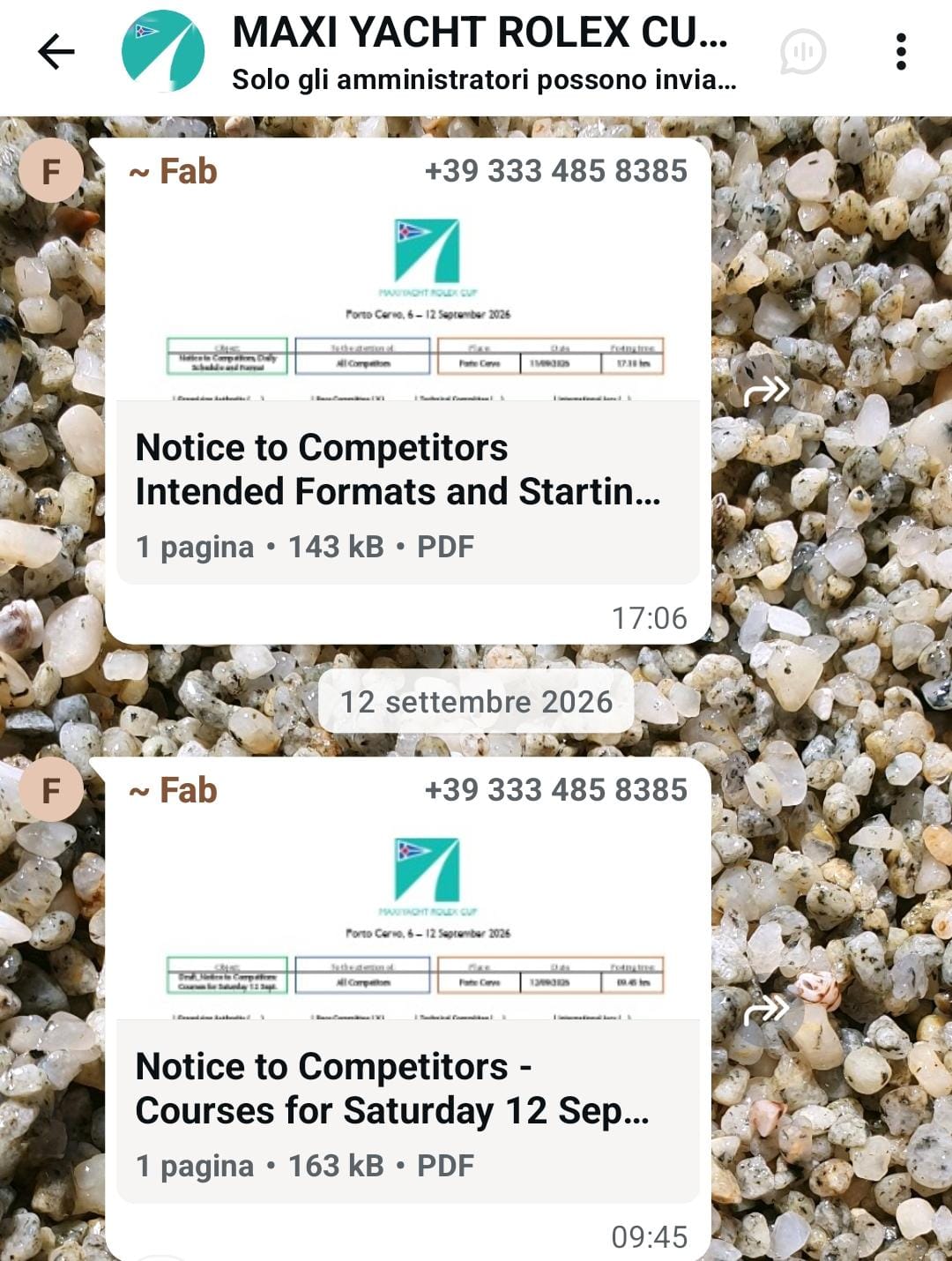
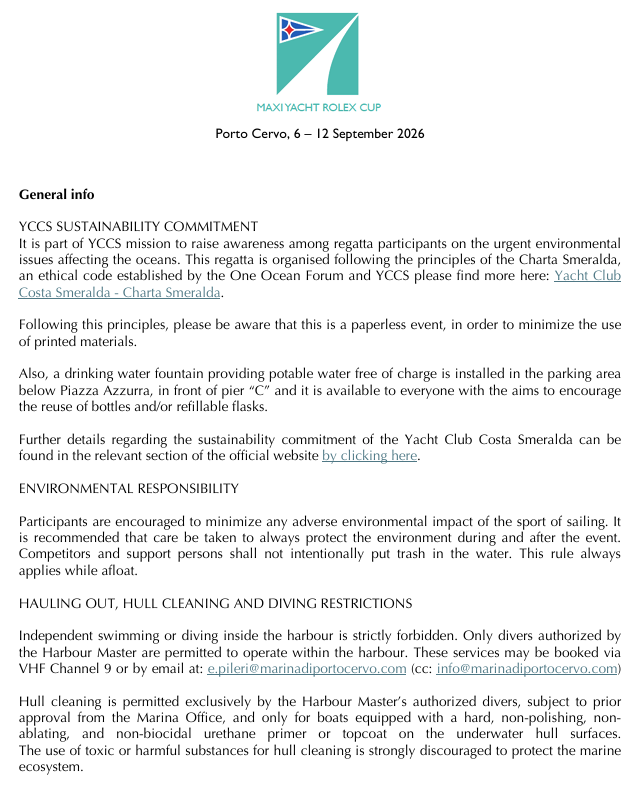
A dedicated document outlining the event’s sustainability commitments and guidelines was shared through the official regatta WhatsApp group, ensuring that competitors, teams and event staff were informed of the environmental initiatives implemented throughout the event.
7. Involve Local Organizations
The 4Rs sustainability principles promoted during the event were developed in collaboration with the Municipality of Arzachena. By sharing these messages with people, the event involved a local institution in its sustainability awareness activities
8. Post Educational and Reusable Signage
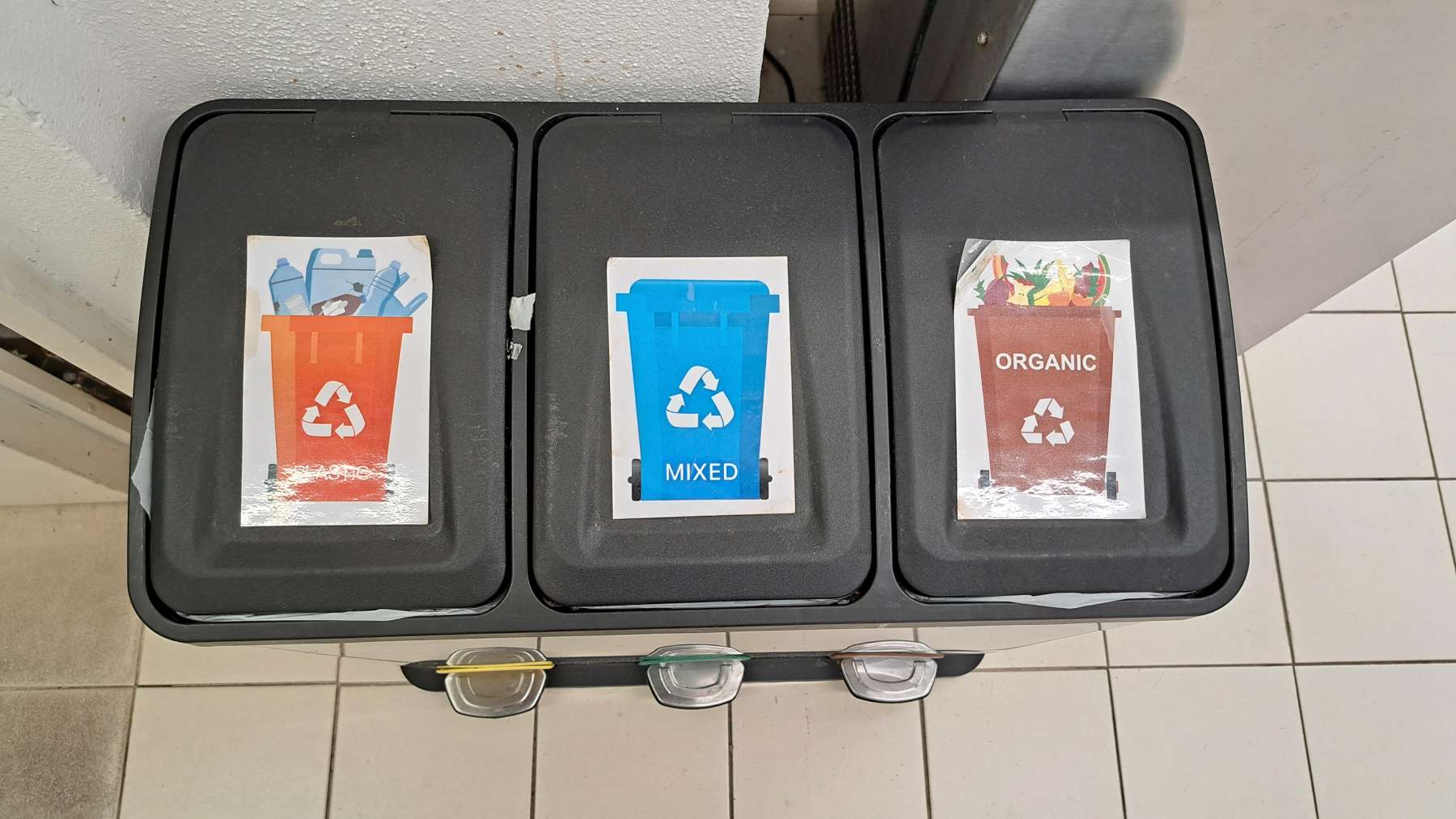
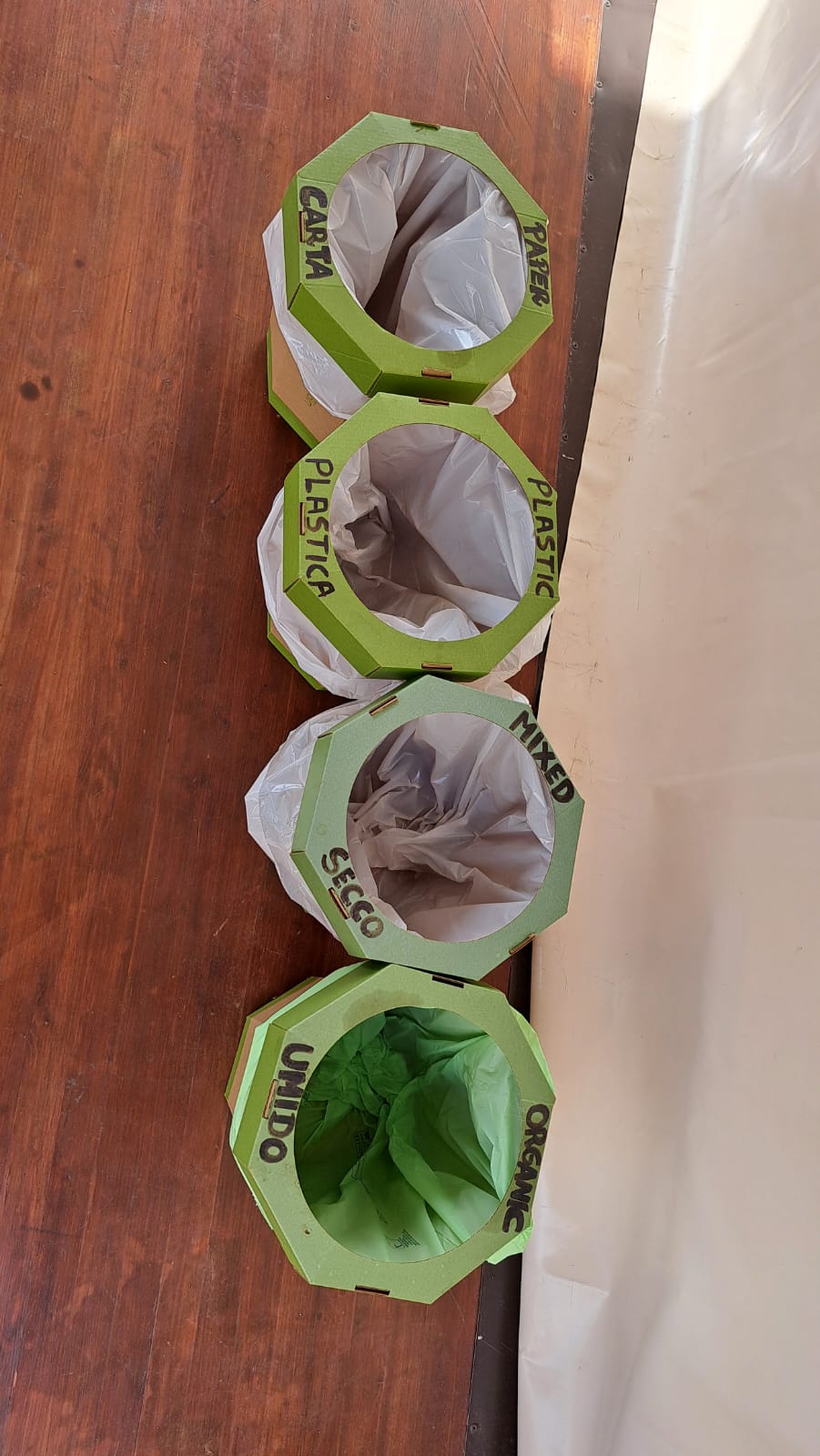
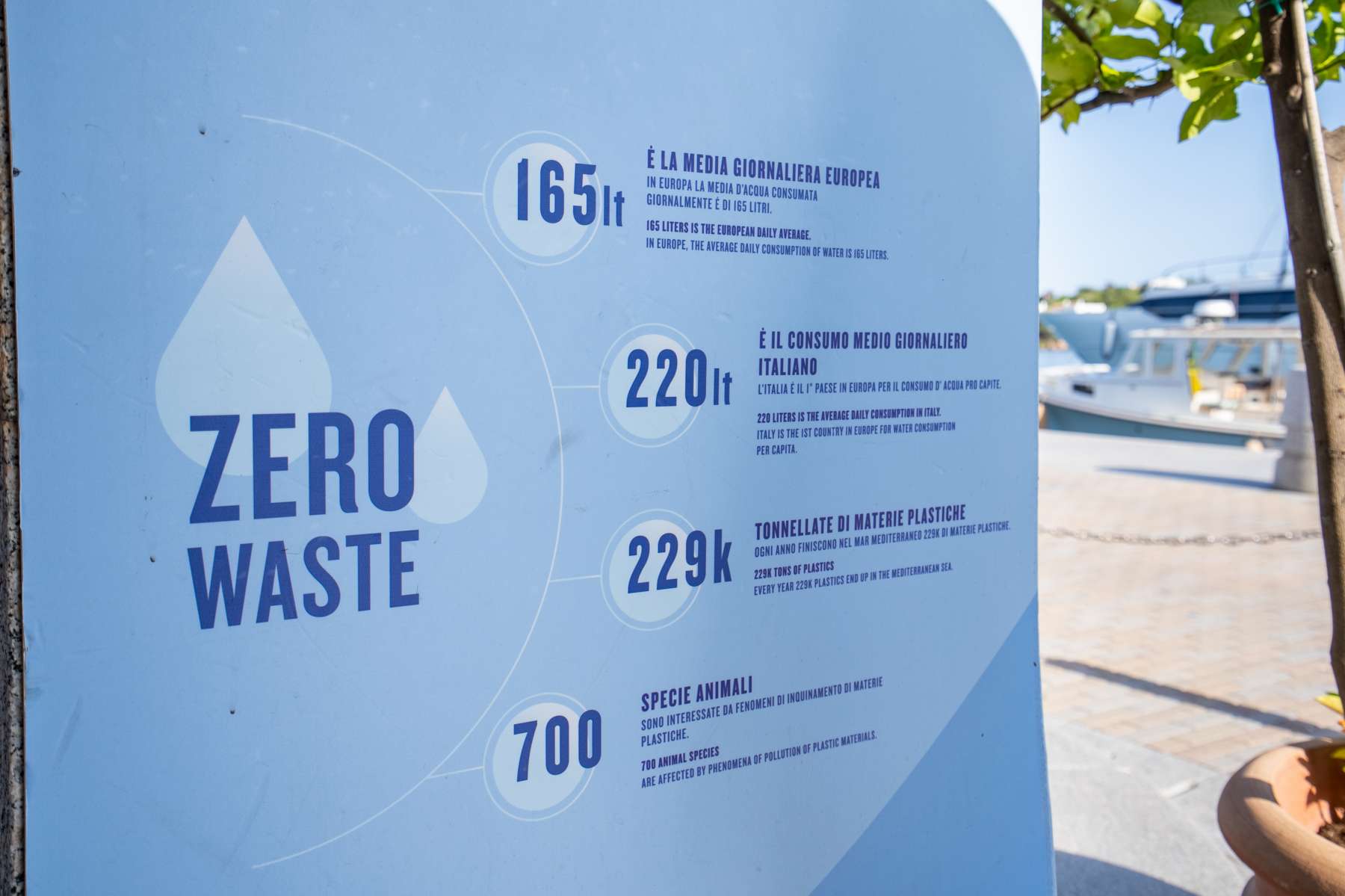
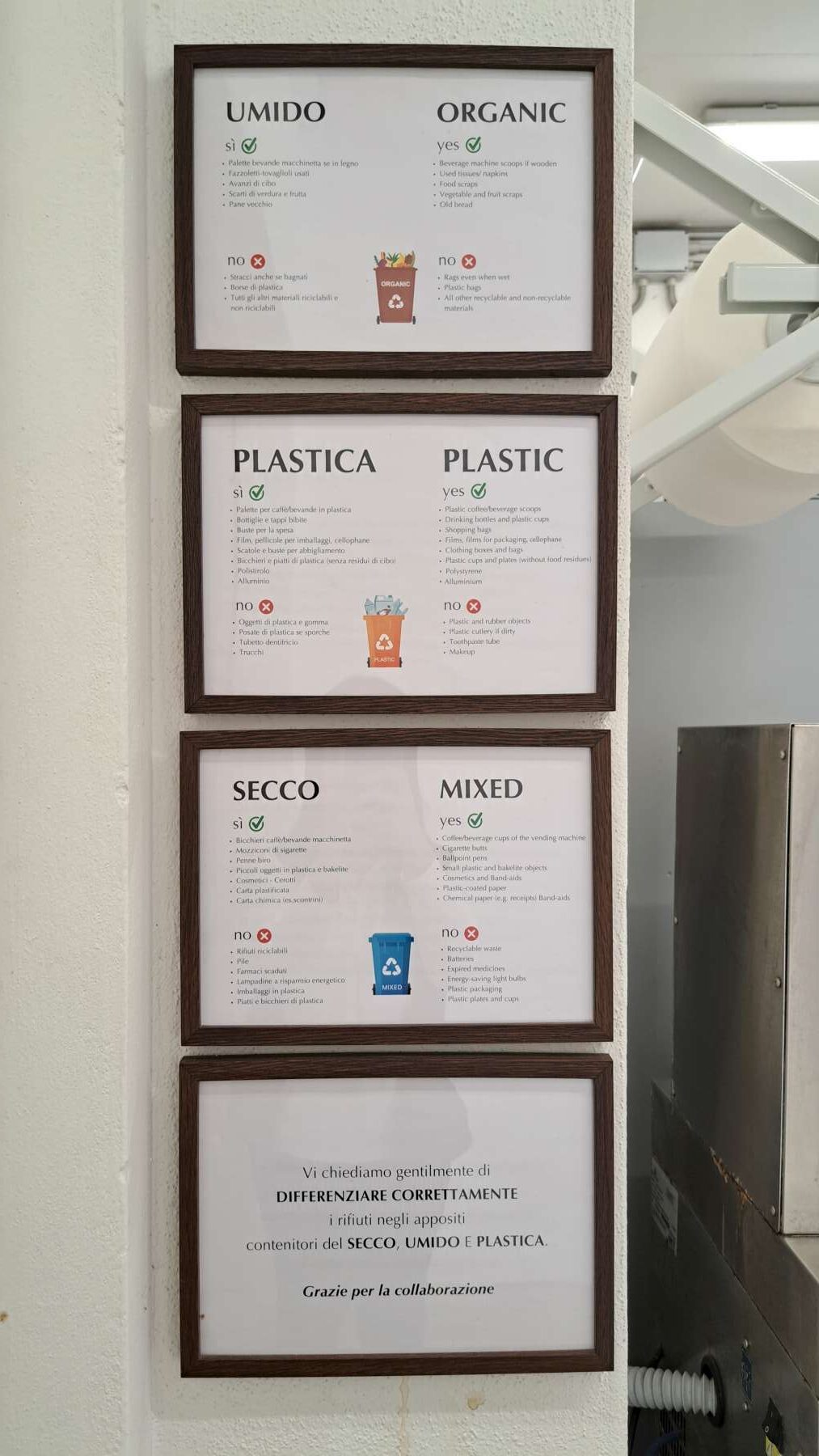
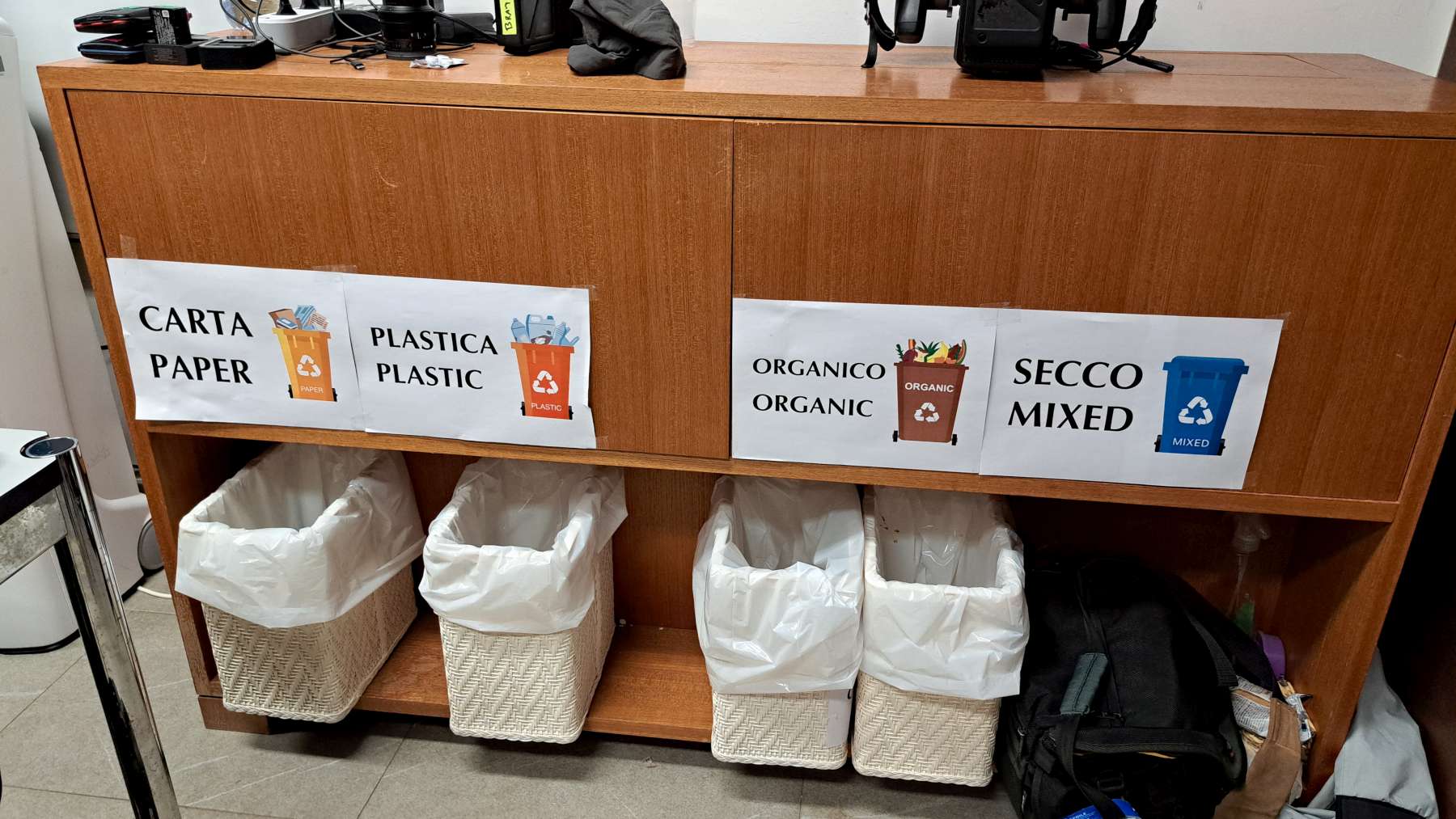
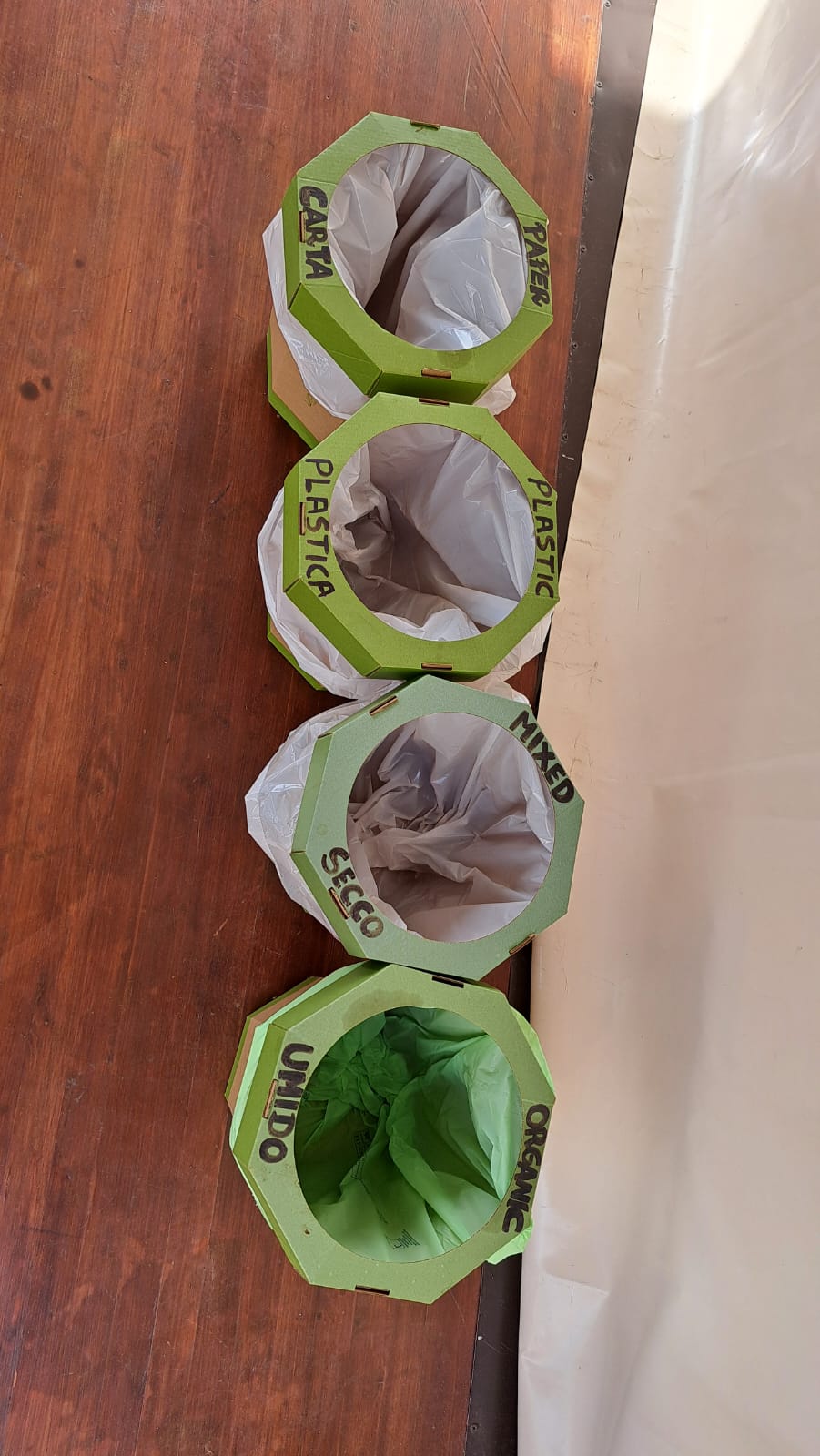
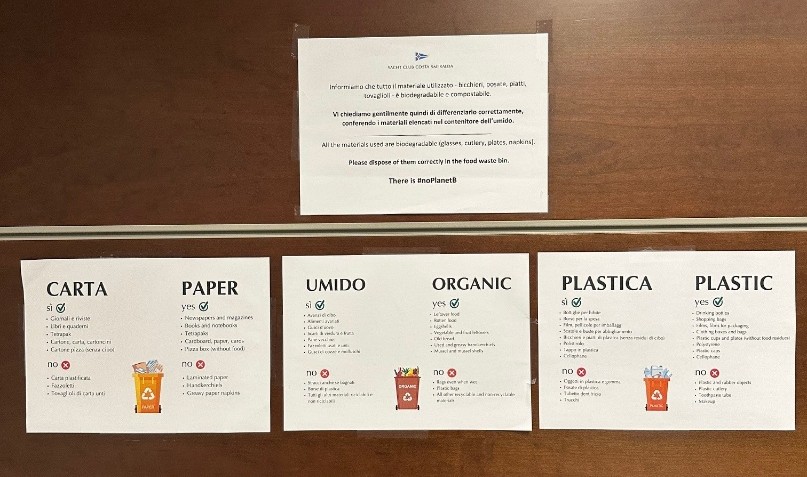
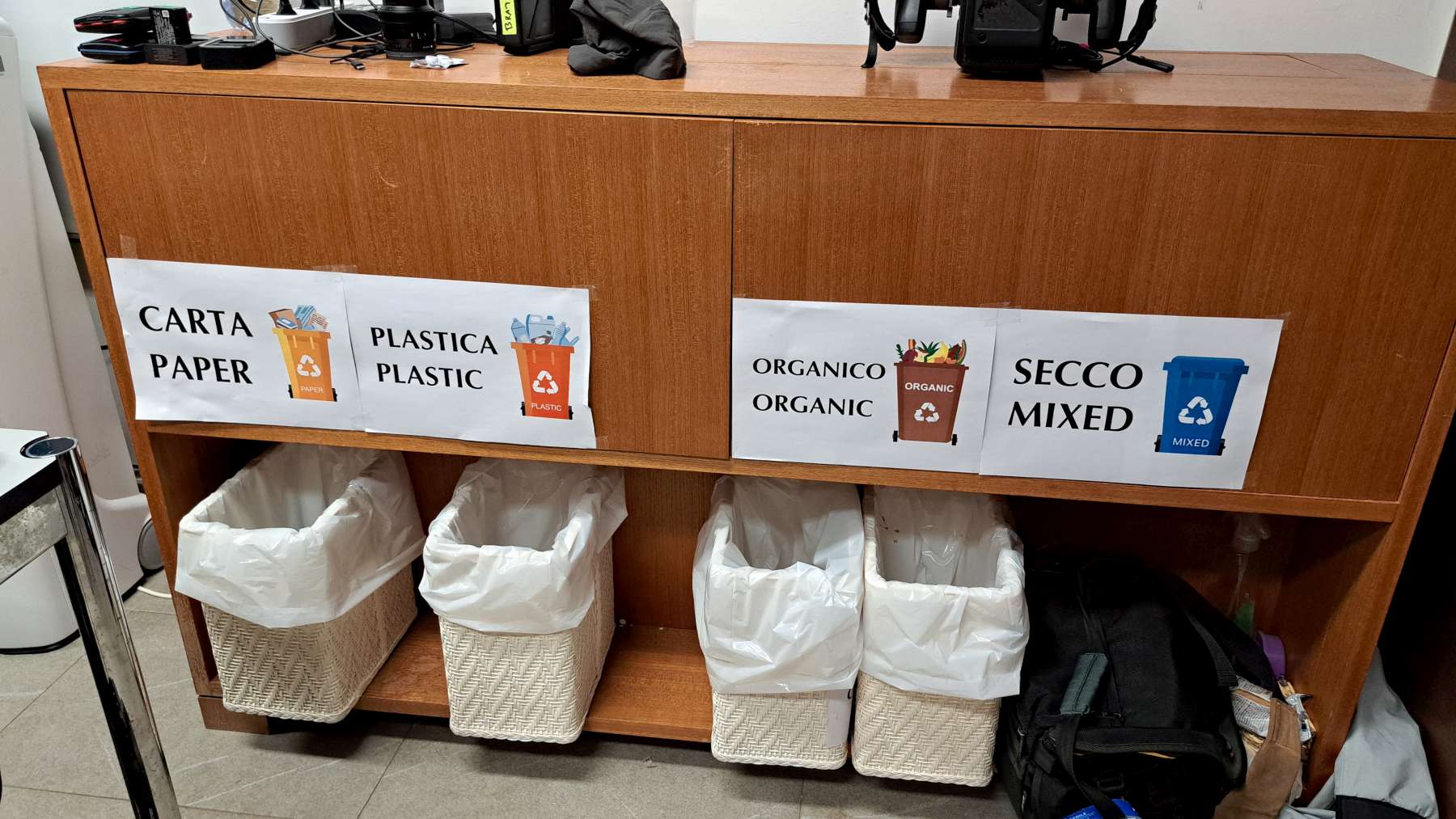
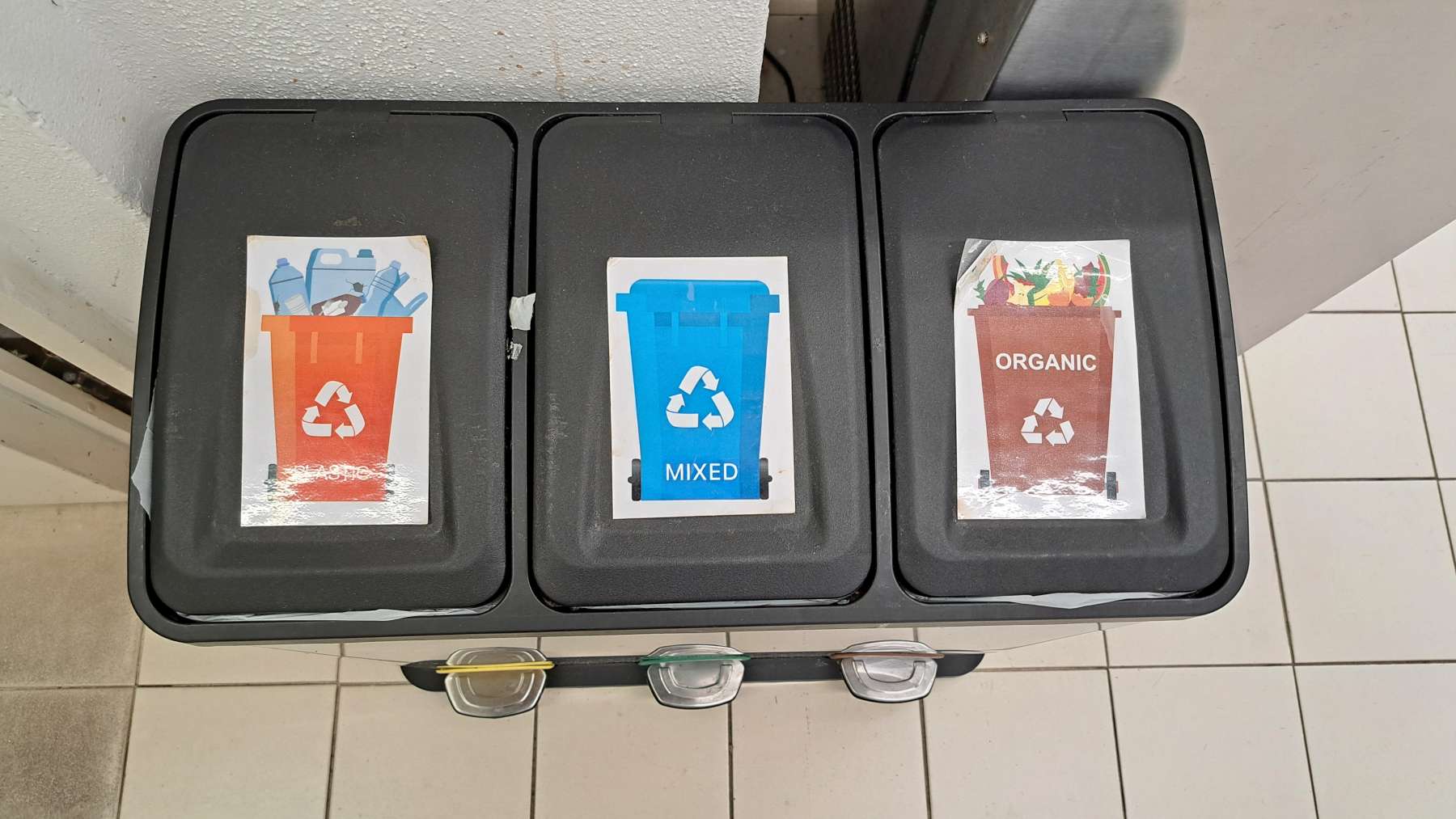
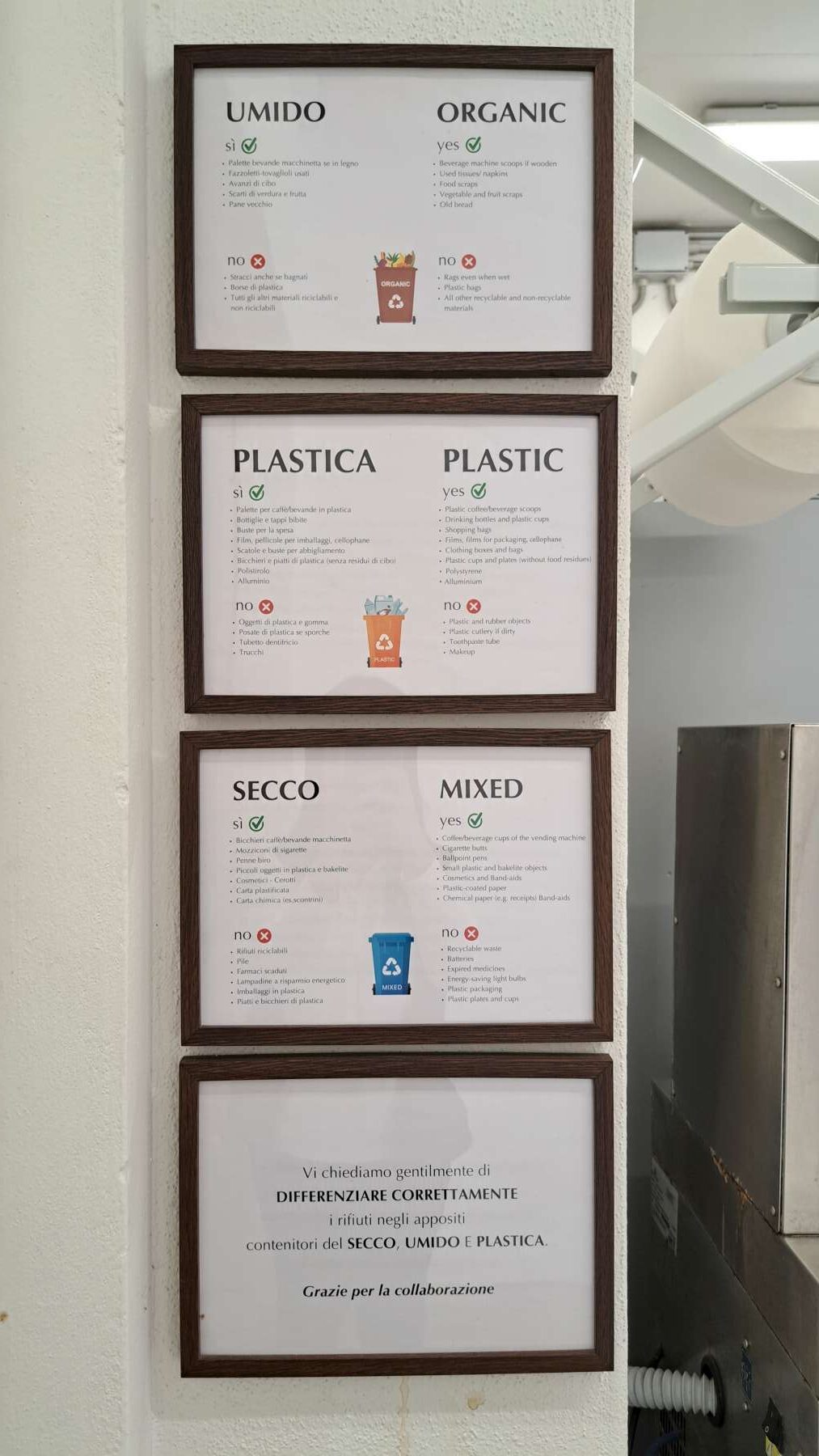
In the regatta village and throughout the YCCS, waste collection bins were clearly labelled to encourage proper waste separation, with signage indicating the type of waste to be disposed of in each bin. In addition, a noticeboard located next to the drinking water fountain displayed statistics on water consumption and plastic pollution, encouraging greater awareness of sustainability issues among participants and visitors.
9. Serve Local Food or Source Seafood Sustainably
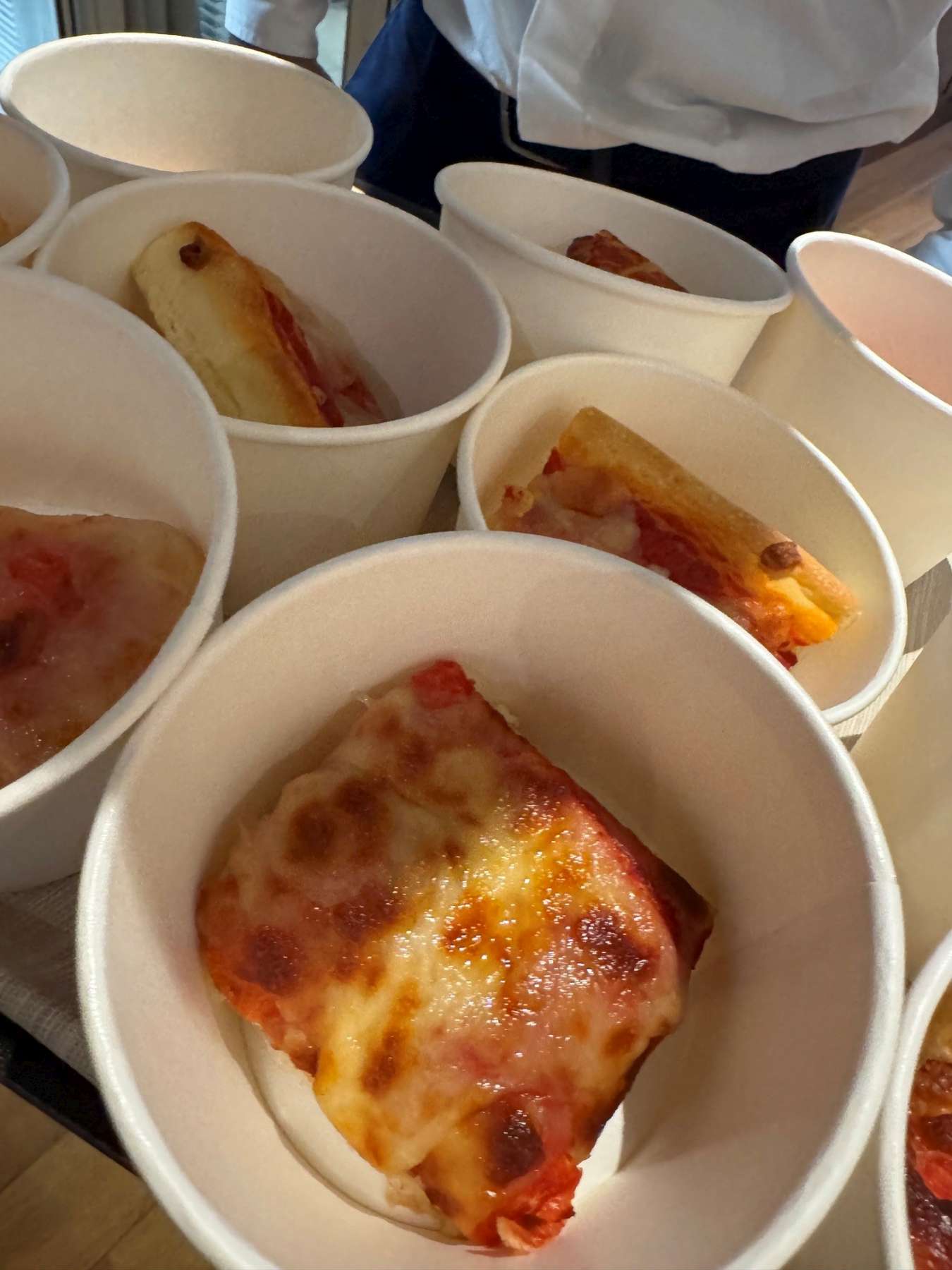
During the event, local food was served, including pasta, pizza and rice dishes prepared with locally sourced vegetables, as shown in the attached photos.
10. Organize a Green Team
Two members of the organizing team were responsible for monitoring the implementation of sustainability measures and ensuring compliance with the Best Practices Checklist.
11. Ensure Proper Waste Bin Placement and Signage
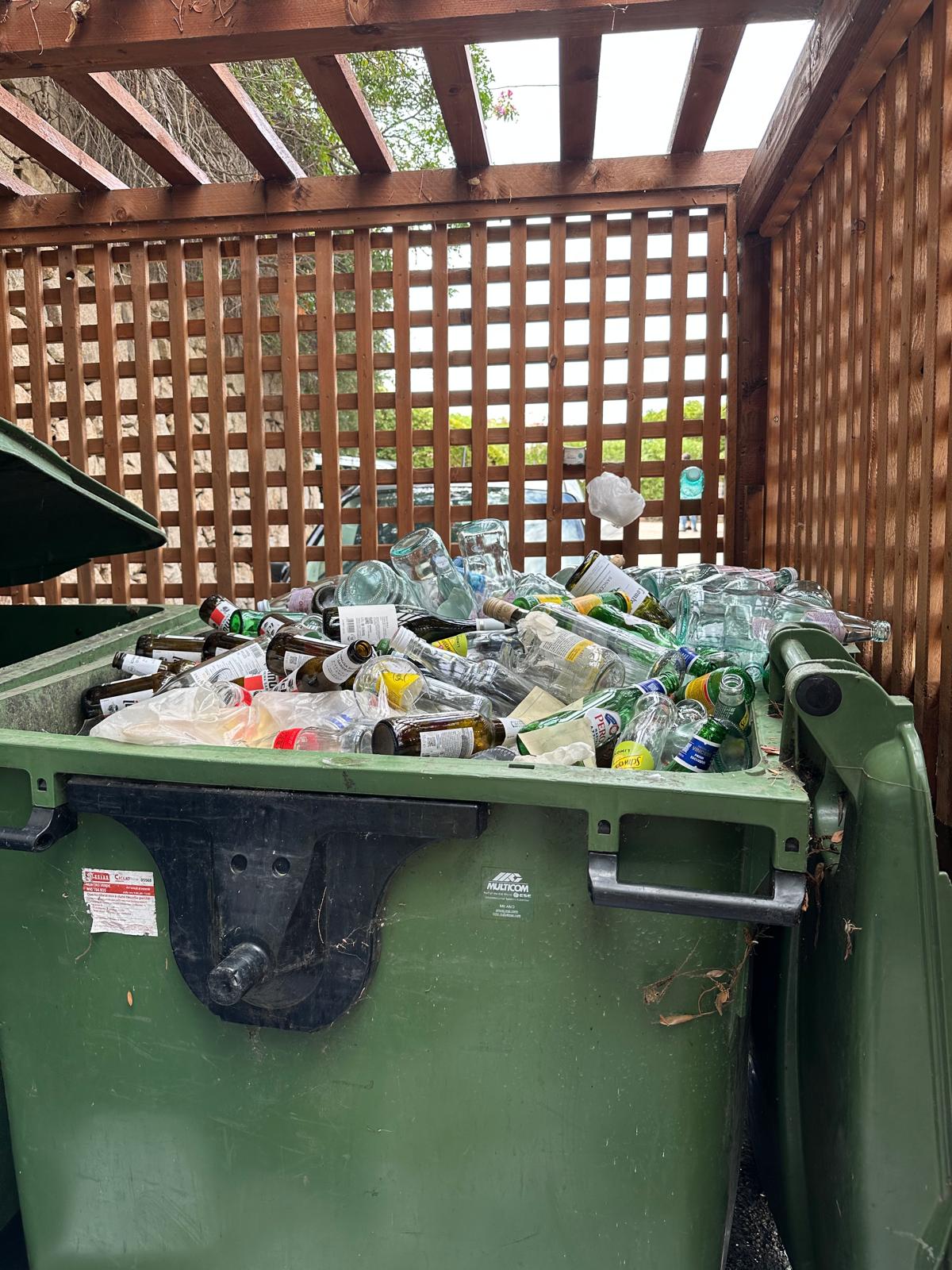
We have placed rubbish bins in such a way as to facilitate waste sorting, clearly indicating which types of waste should go into each one.
12. Divert Food Waste from the Landfill
Food service for the after-race refreshments was carefully planned to avoid overproduction and minimize food waste. Waste-sorting bins were available throughout the venue and clearly labelled with information on how to separate waste correctly, helping participants, staff and visitors dispose of materials appropriately. In accordance with Italian regulations and local waste management practices, all waste was sorted before disposal and collected in the designated bins provided by the local authorities.
13. Use Paperless Event Management
All event communications, notices and updates were published digitally on the official event website and distributed through the official regatta WhatsApp group. The course booklet was made available exclusively online, and the Sailing Instructions stated that no printed copies would be provided by the Organizing Authority.
15. Prevent Toxins from Entering the Water
Measures to prevent toxins from entering the marine environment were communicated to participants through the event sustainability guidelines. Competitors were encouraged to protect the environment at all times and to avoid any actions that could result in pollution of the sea. In addition, hull cleaning was permitted exclusively through divers authorized by the Harbour Master and Marina Office. The use of toxic or harmful substances for hull cleaning was strongly discouraged, helping to protect the marine ecosystem.
16. Increase Awareness of Wildlife and Habitat Protection
Marine wildlife and habitat protection were reflected throughout the event’s official documents and sustainability communications. The official documents included a dedicated section on environmental responsibility, encouraging participants to minimise the environmental impact of sailing activities and to protect the marine environment at all times during and after the event. The documentation also highlighted that the regatta was organised in accordance with the principles of the Charta Smeralda.
17. Offer Vegetarian or Vegan Alternatives
Vegetarian and vegan options were available during the post-race refreshments, including pizza and rice dishes with vegetables, as shown in the attached photos.
18. Promote Alternative Transportation
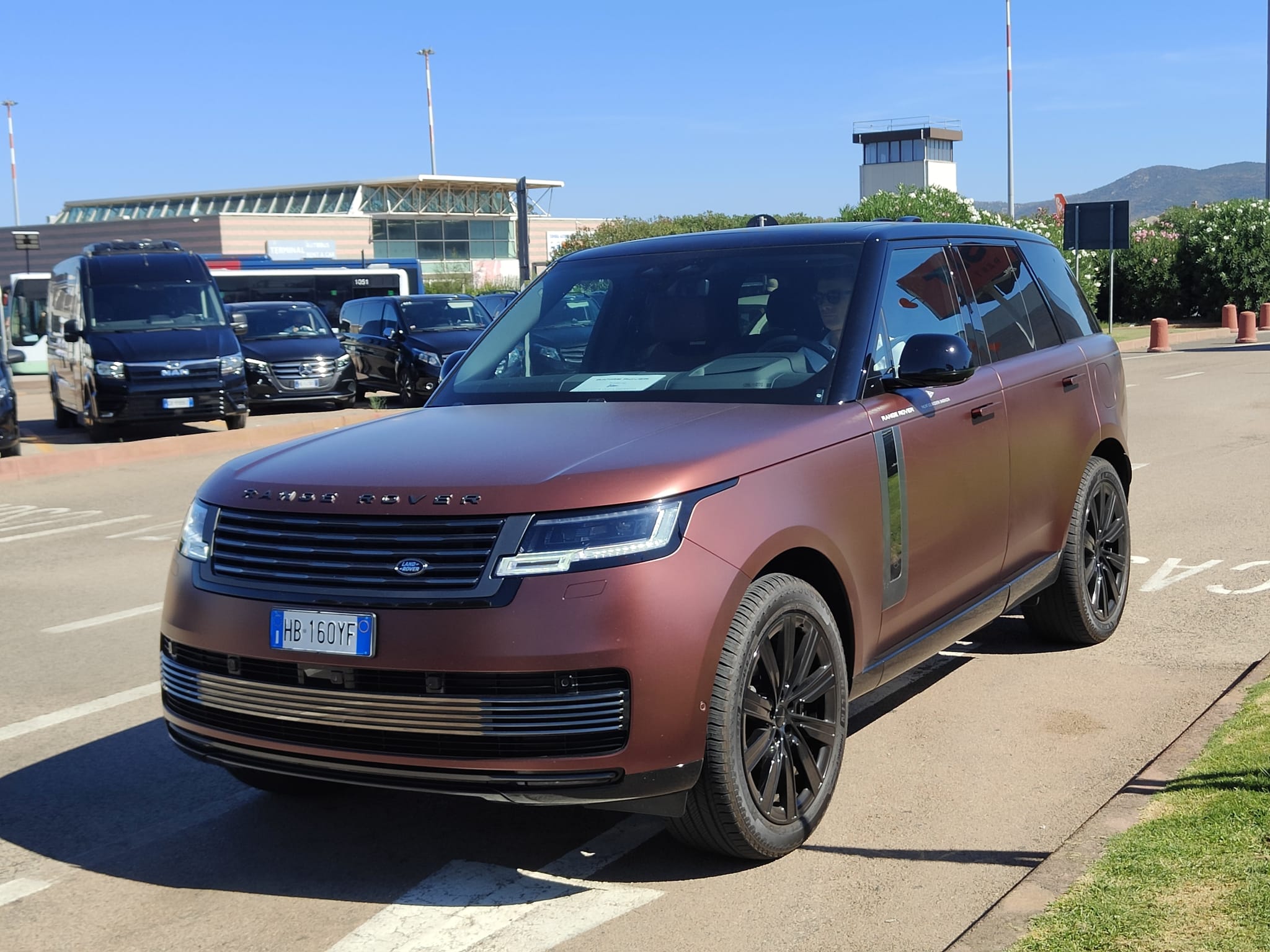
Transfer services were provided during the event by the YCCS Institutional Partner Range Rover. The transfers are available to owners, crews, media guest and staff working at the event.
19. Reduce Day-of Emissions
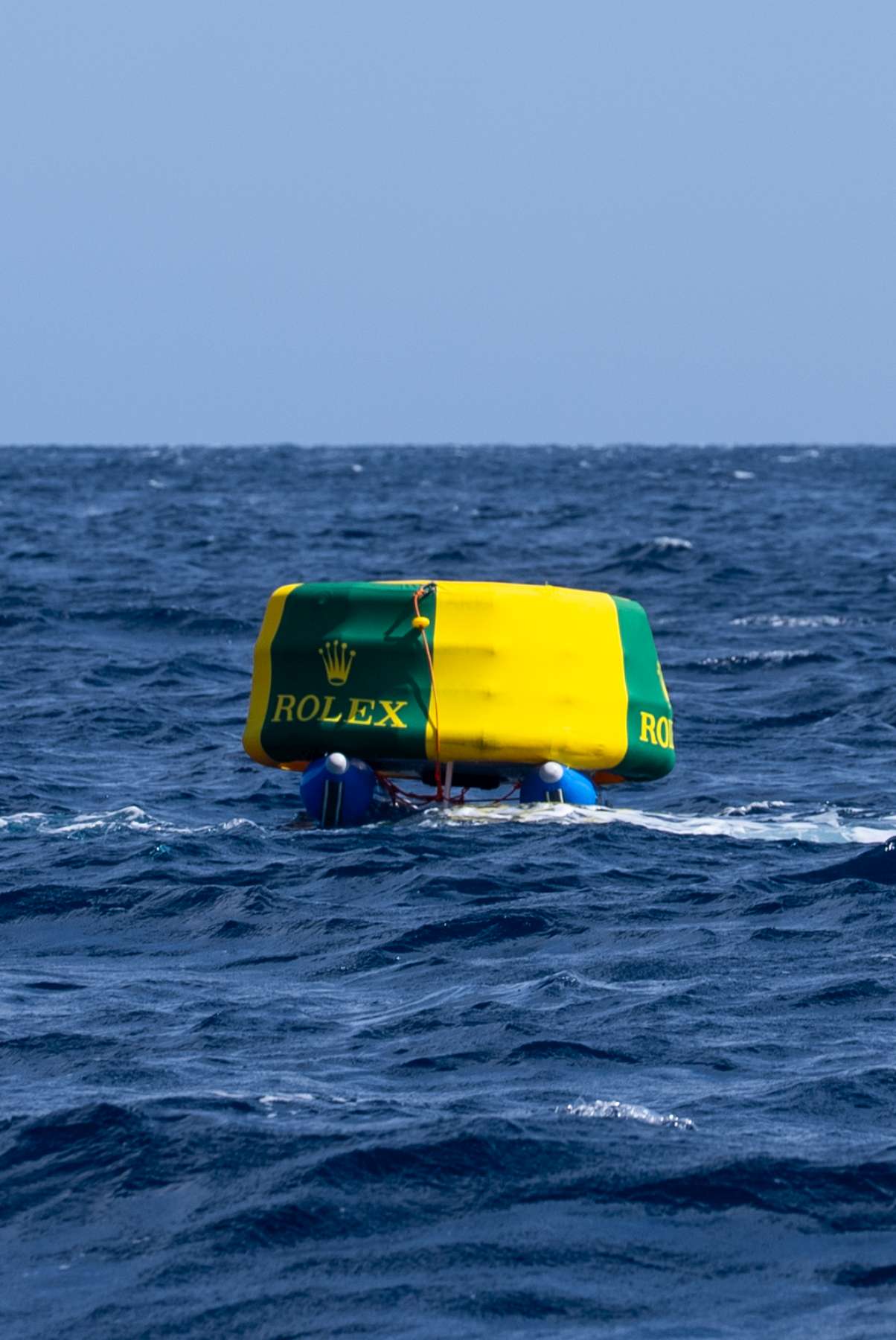
During the regattas, electric buoys equipped with a GPS positioning system were used. By maintaining their position without traditional anchors, these buoys helped reduce impacts on the seabed and the marine environment.
20. Inspire Future Action
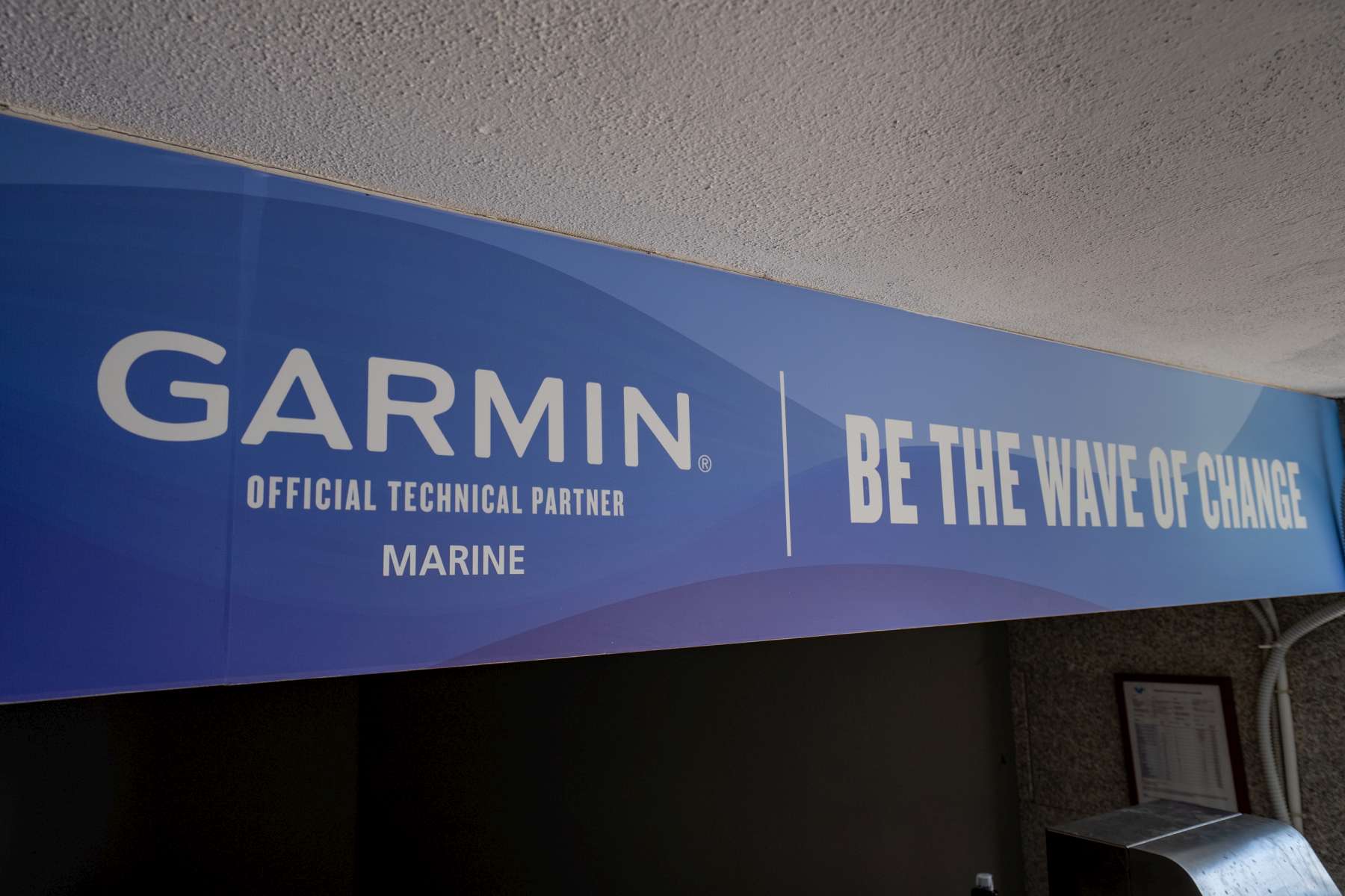
Environmental awareness was integrated into several aspects of the event. Sustainability principles inspired by the Charta Smeralda were communicated through the official event documents and reinforced through visual content displayed on the LED wall in Piazza Azzurra, reaching both participants and visitors. The commitment to reducing environmental impact was also promoted at the drinking water fountain, where the message “Be the Wave of Change” encouraged simple everyday actions such as refilling reusable bottles and reducing reliance on single-use plastics.