

Event Details | |
| Host | Yacht Club Costa Smeralda |
| Location | Porto Cervo Marina, Italy |
| Certification Level | Platinum |
| Website Link | https://www.yccs.it/ |
Best Practices Achieved
1. Eliminate Single-Use Water Bottles and Provide Water Refill Stations
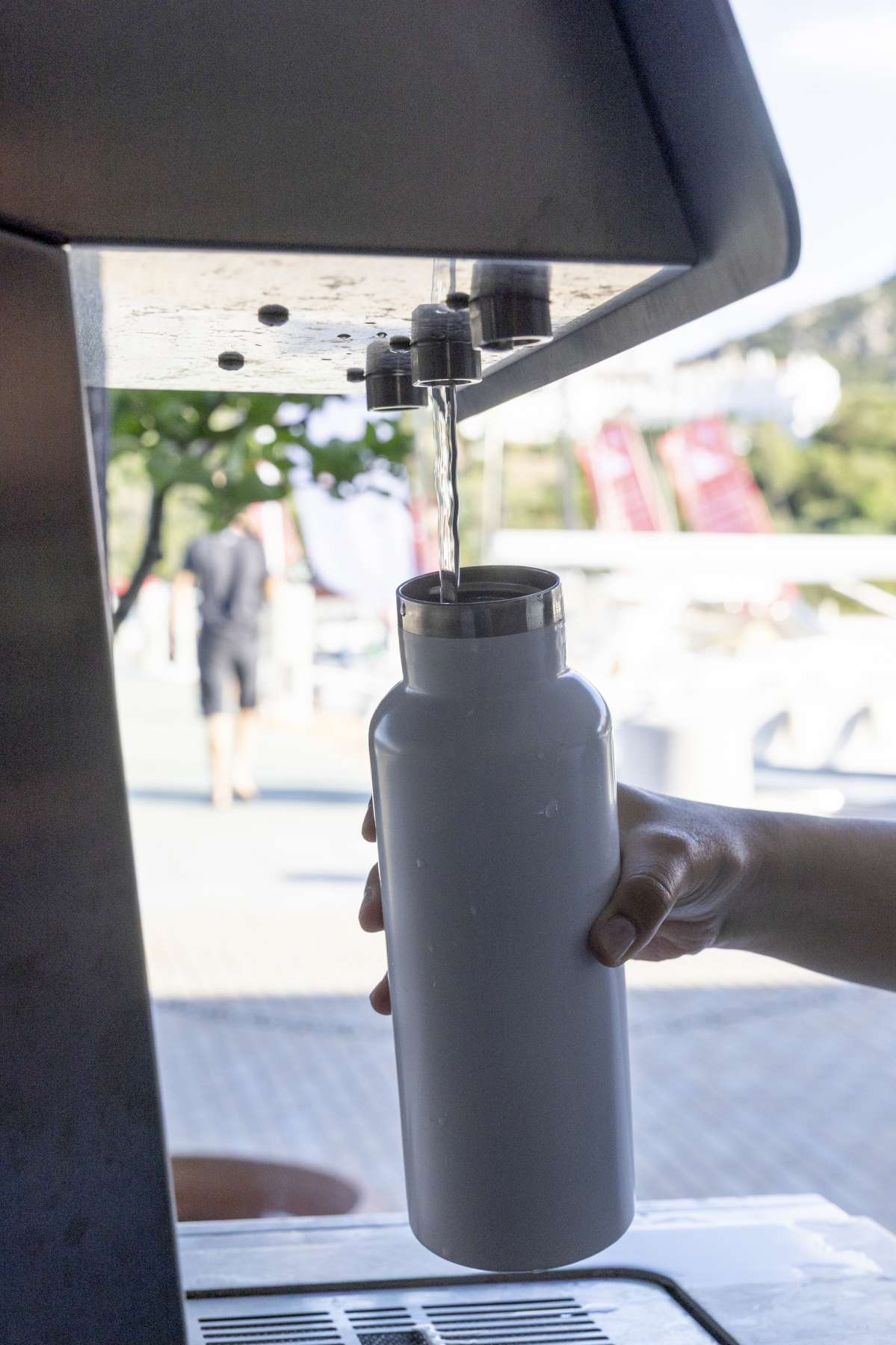
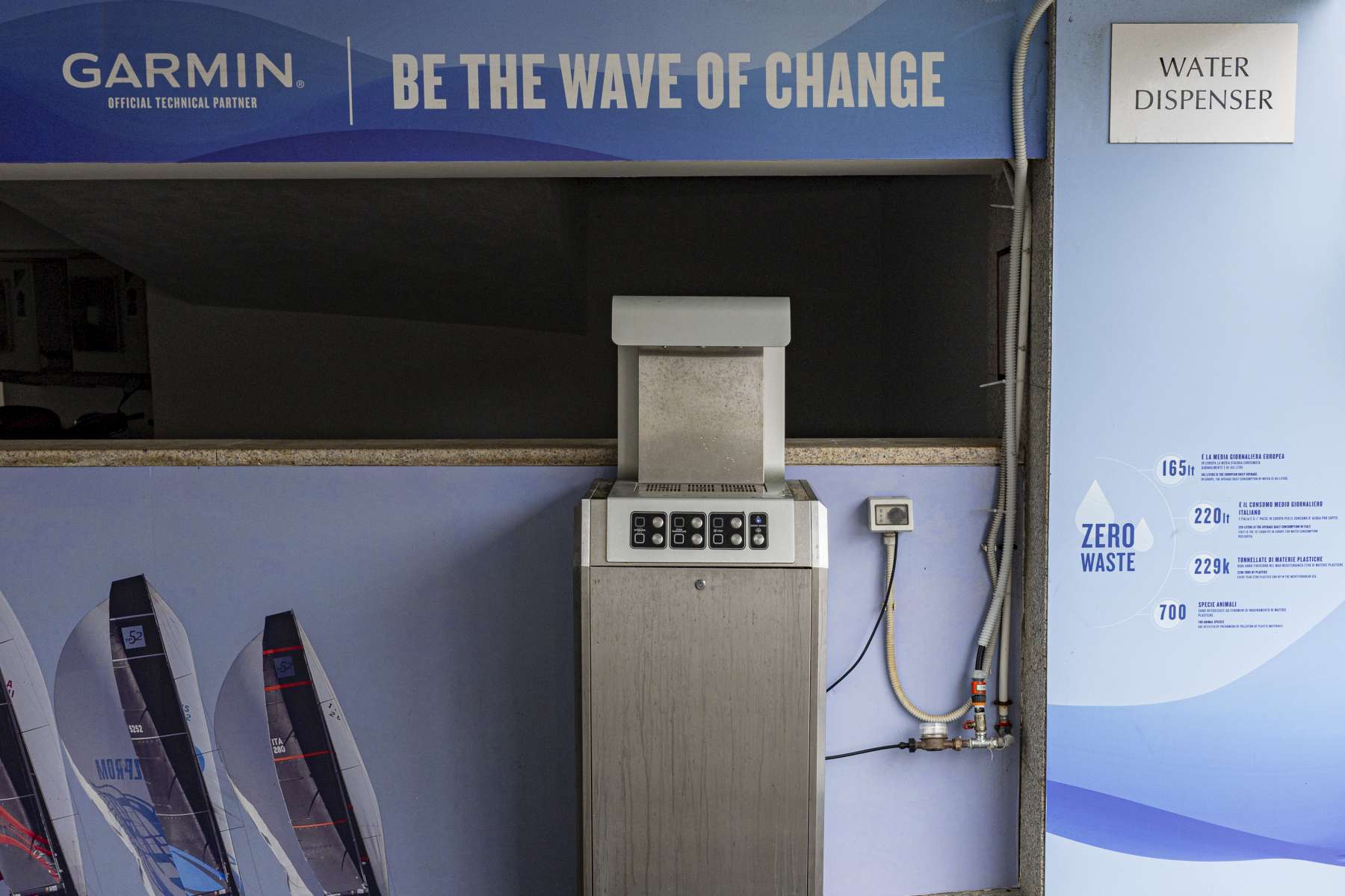
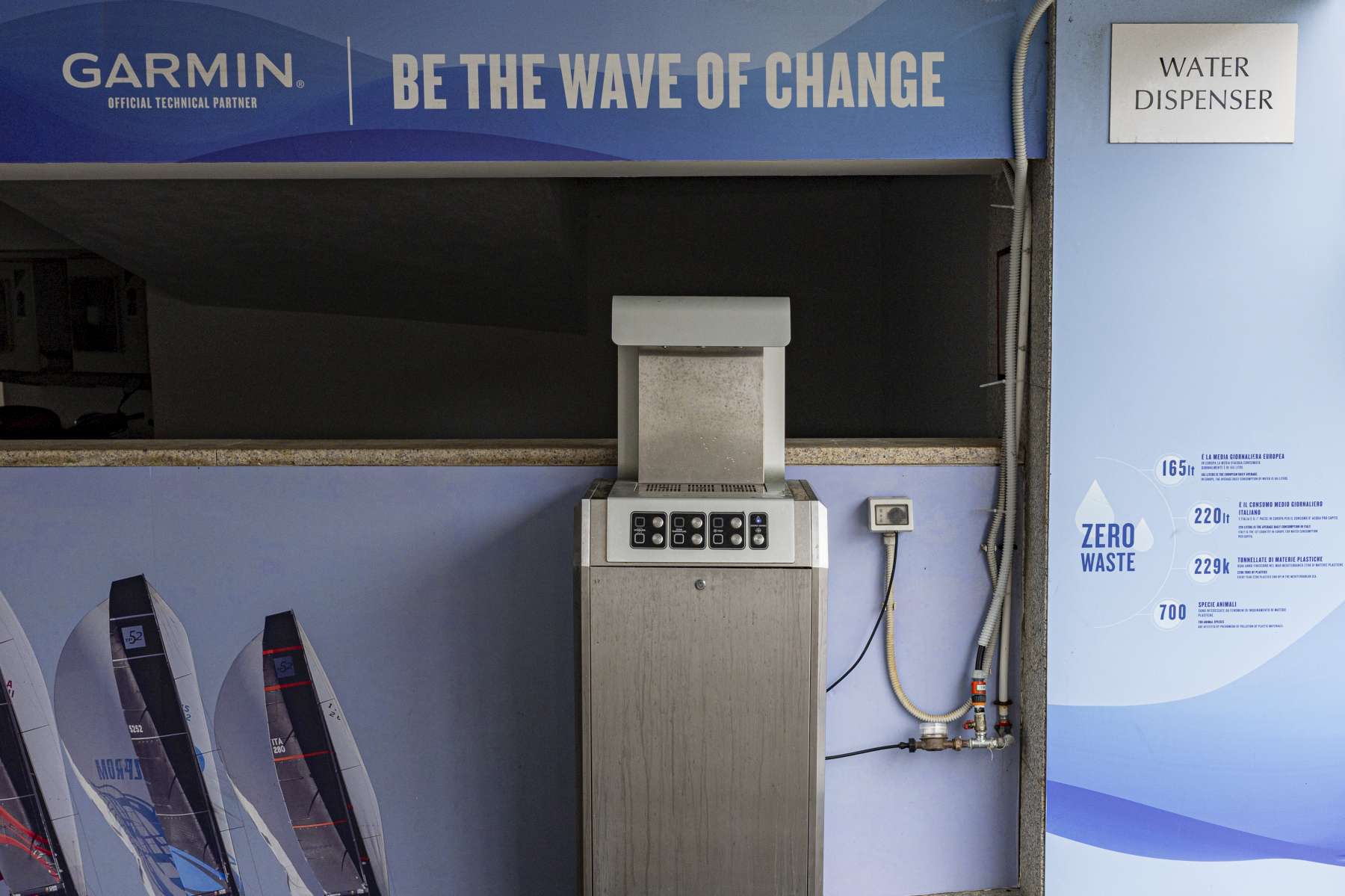
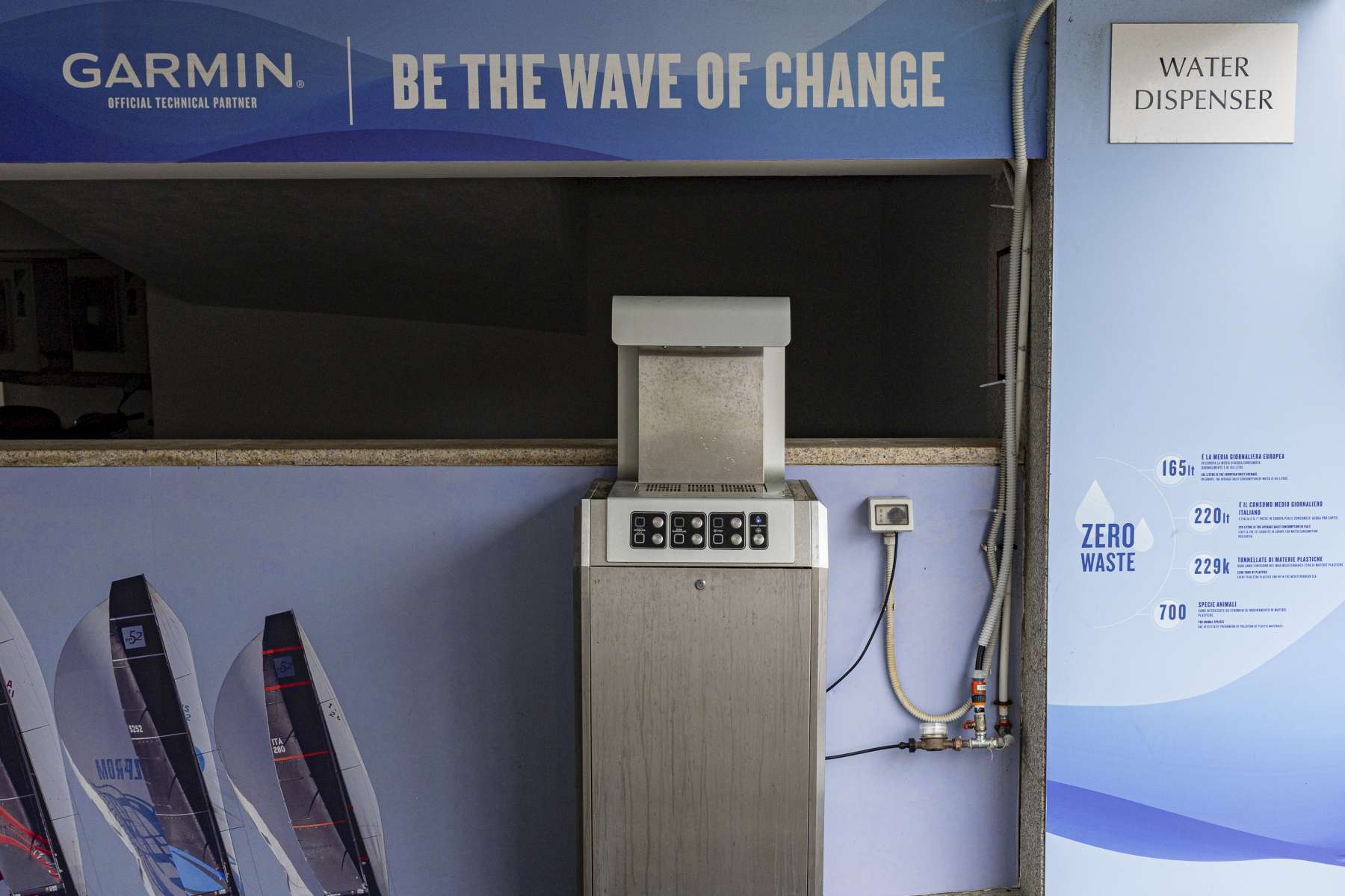
Reusable water bottles were provided to the staff and teams involved in the event. A drinking water fountain is permanently available outside the YCCS and all the competitors and teams working for the event are informes about that. This is important to encouraged refilling on site and helped reduce the use of single-use plastic water bottles.
2. Eliminate Plastic Straws
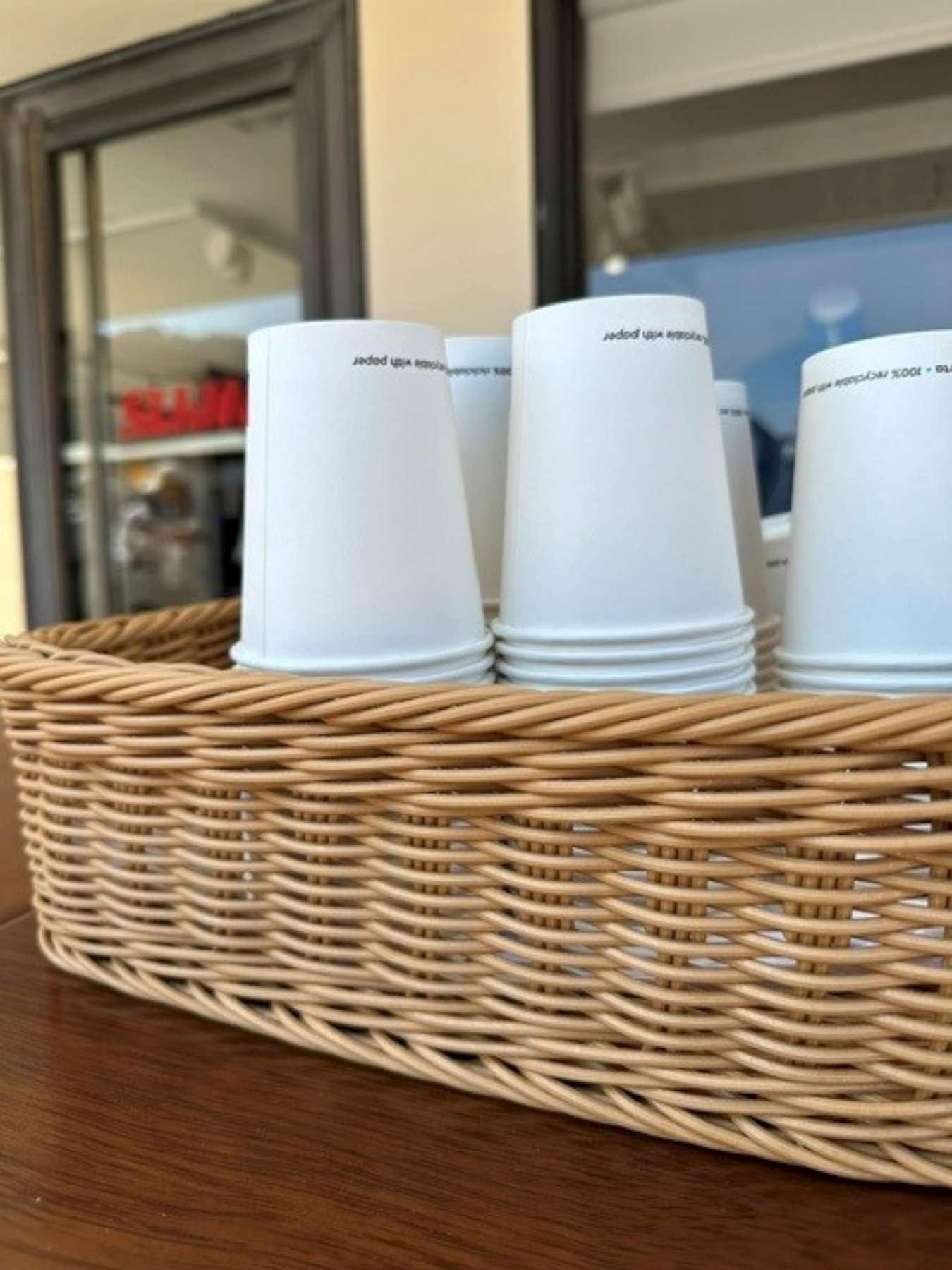
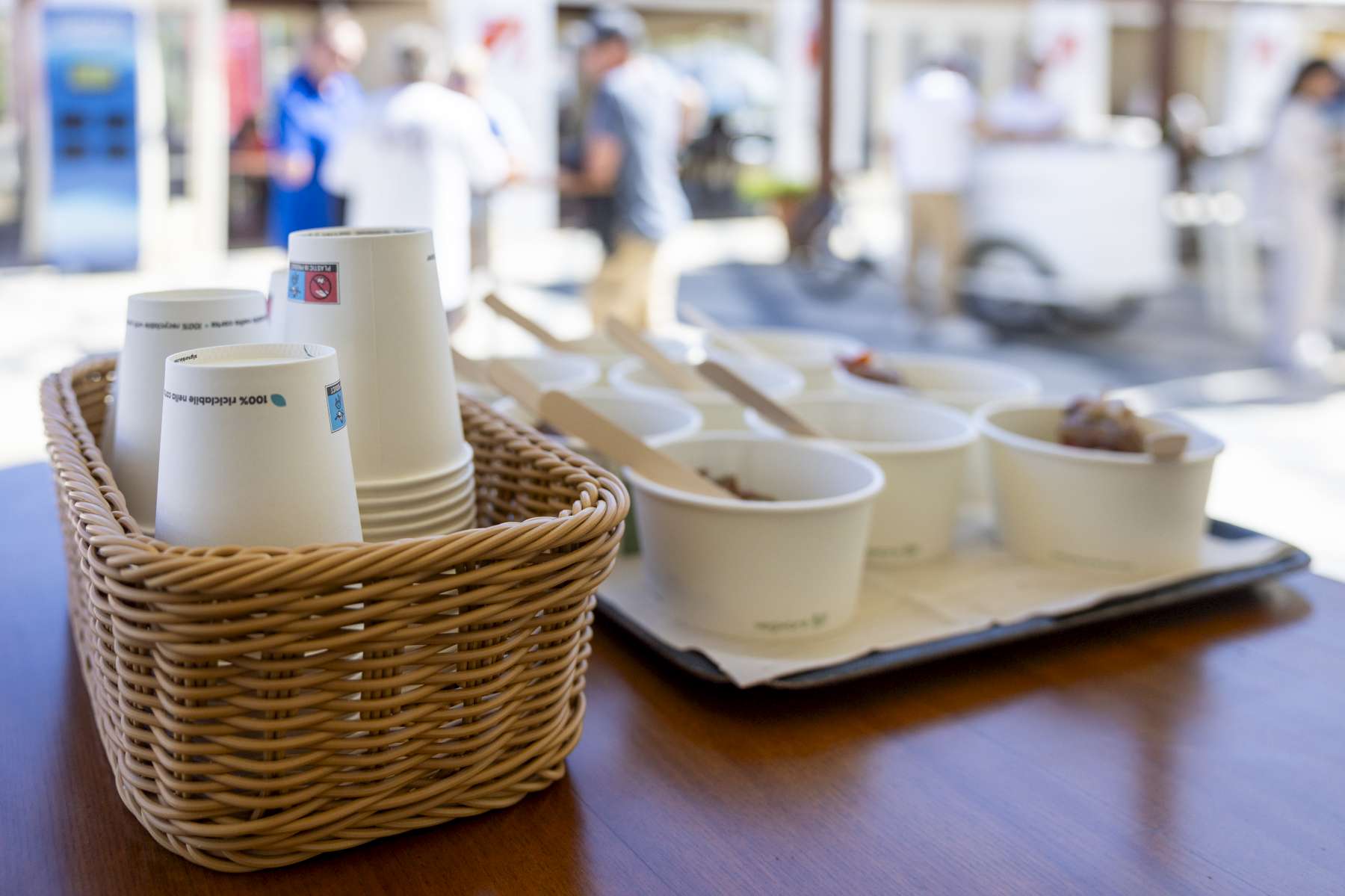
Plastic straws were not used or distributed during the event, they are not more available at the YCCS. Drinks were served in paper cups.
3. Serve Food with Plastic-Free Dinnerware
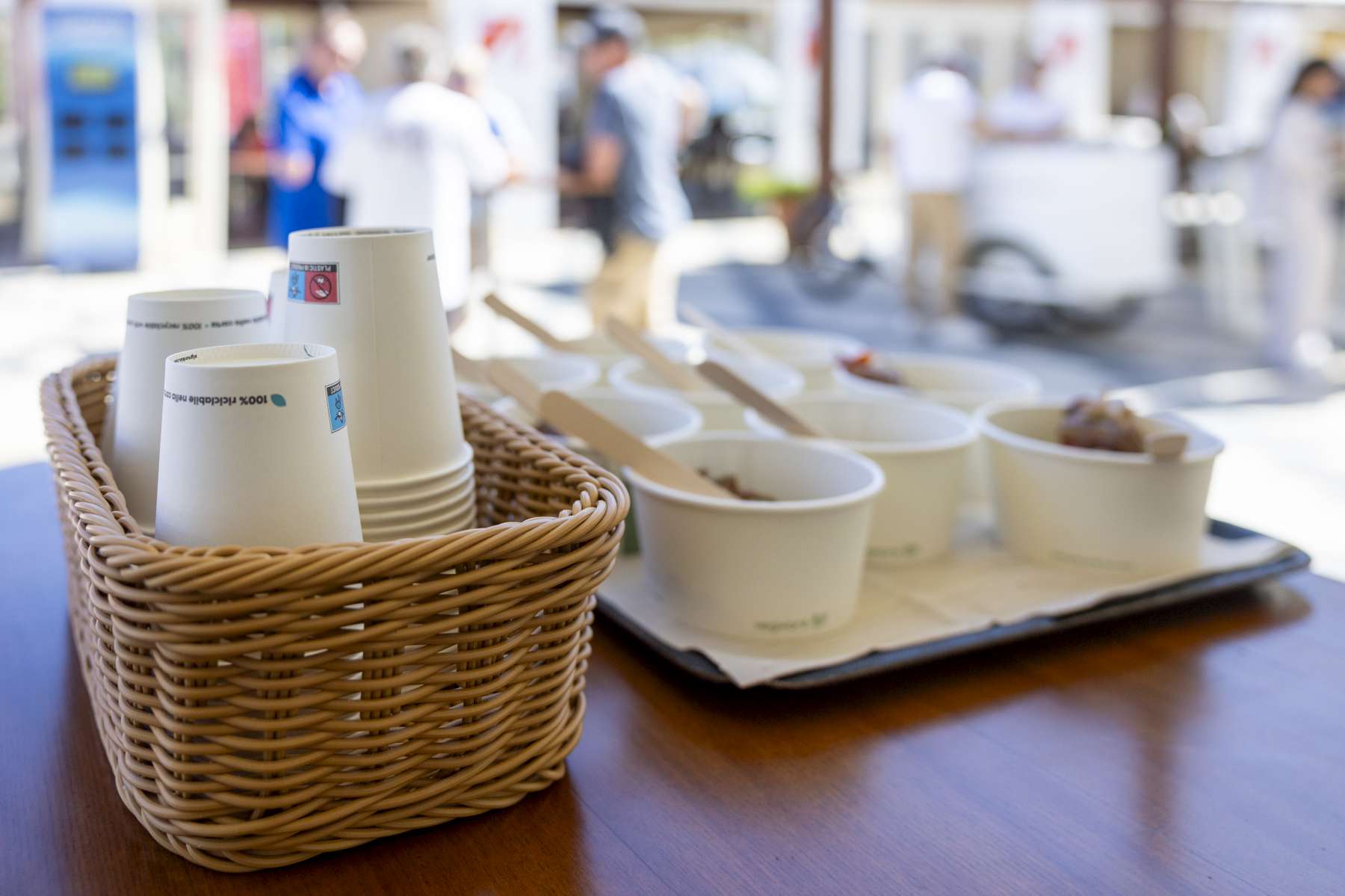
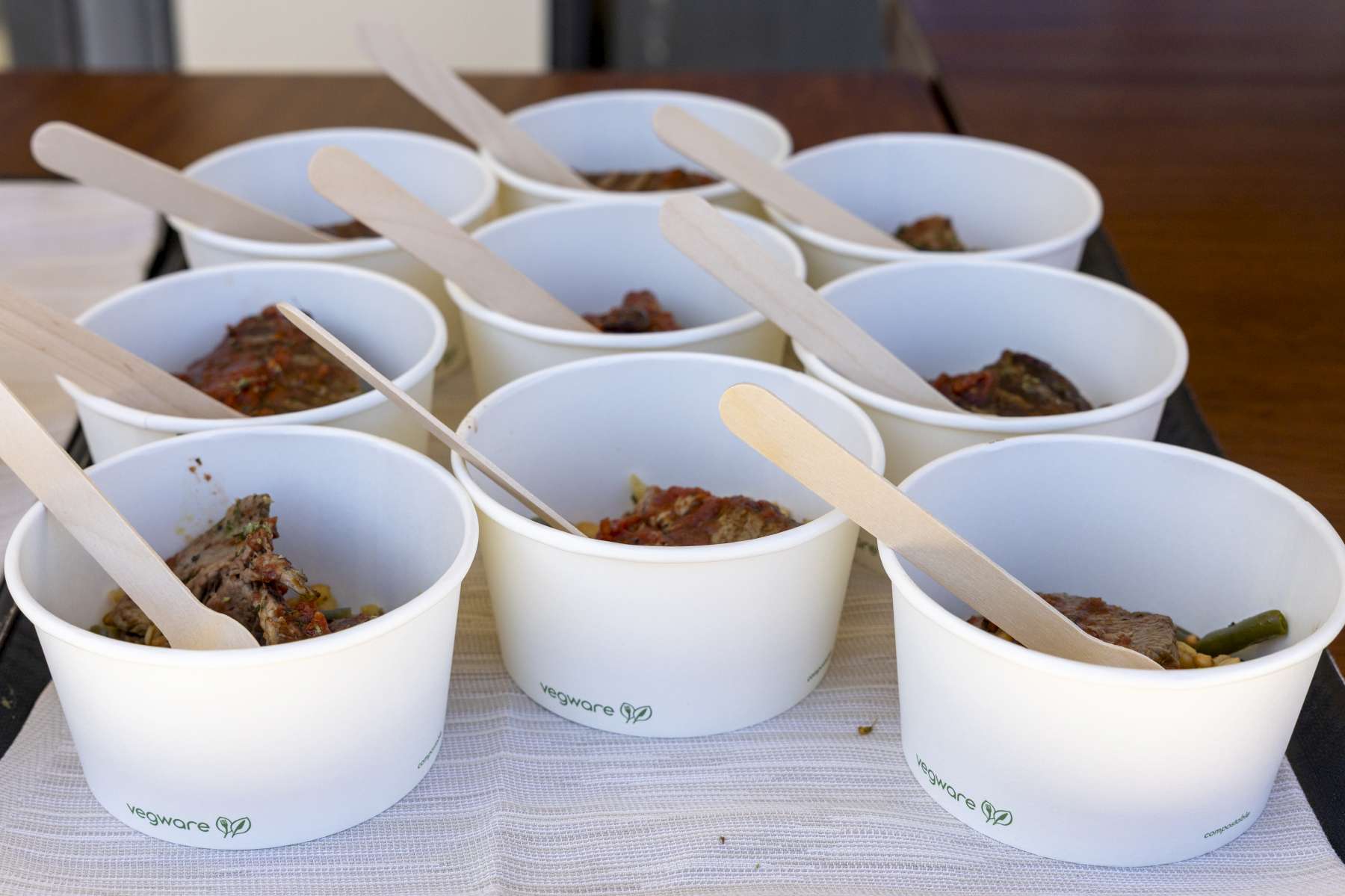
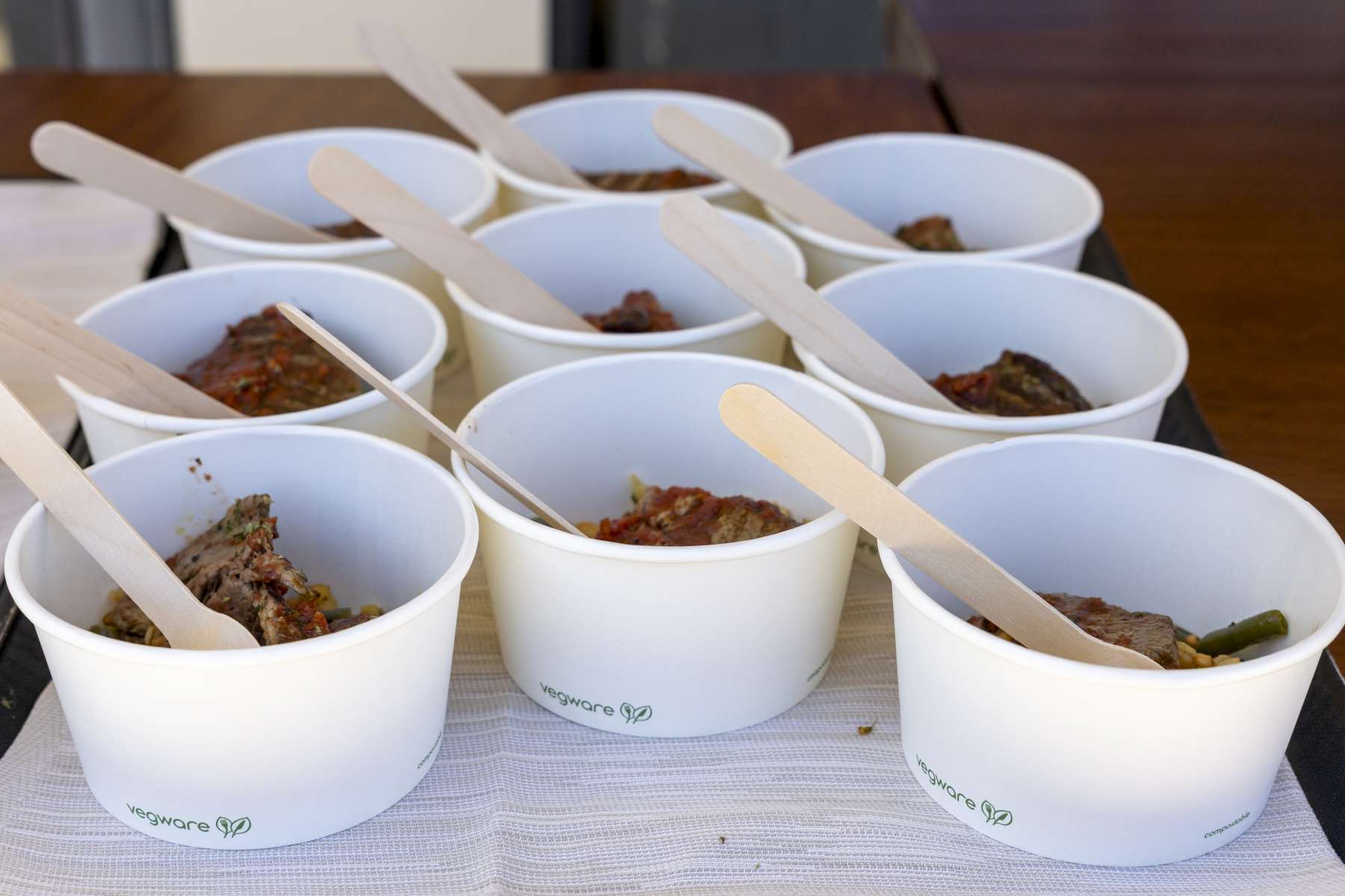
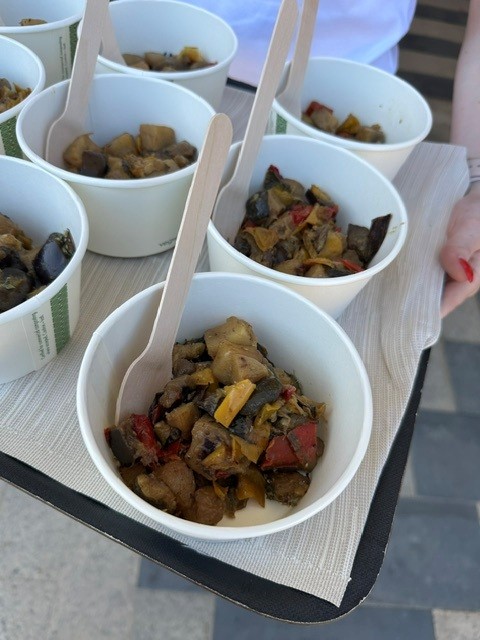
After-race refreshments were served using biodegradable alternatives, including cellulose pulp pates, paper cups and wooden cutlery as per pics attached.
At social events inside the YCCS, food and drinks were served on ceramic plates, in glass cups and with metal cutlery.
4. Skip Bags or Go Reusable
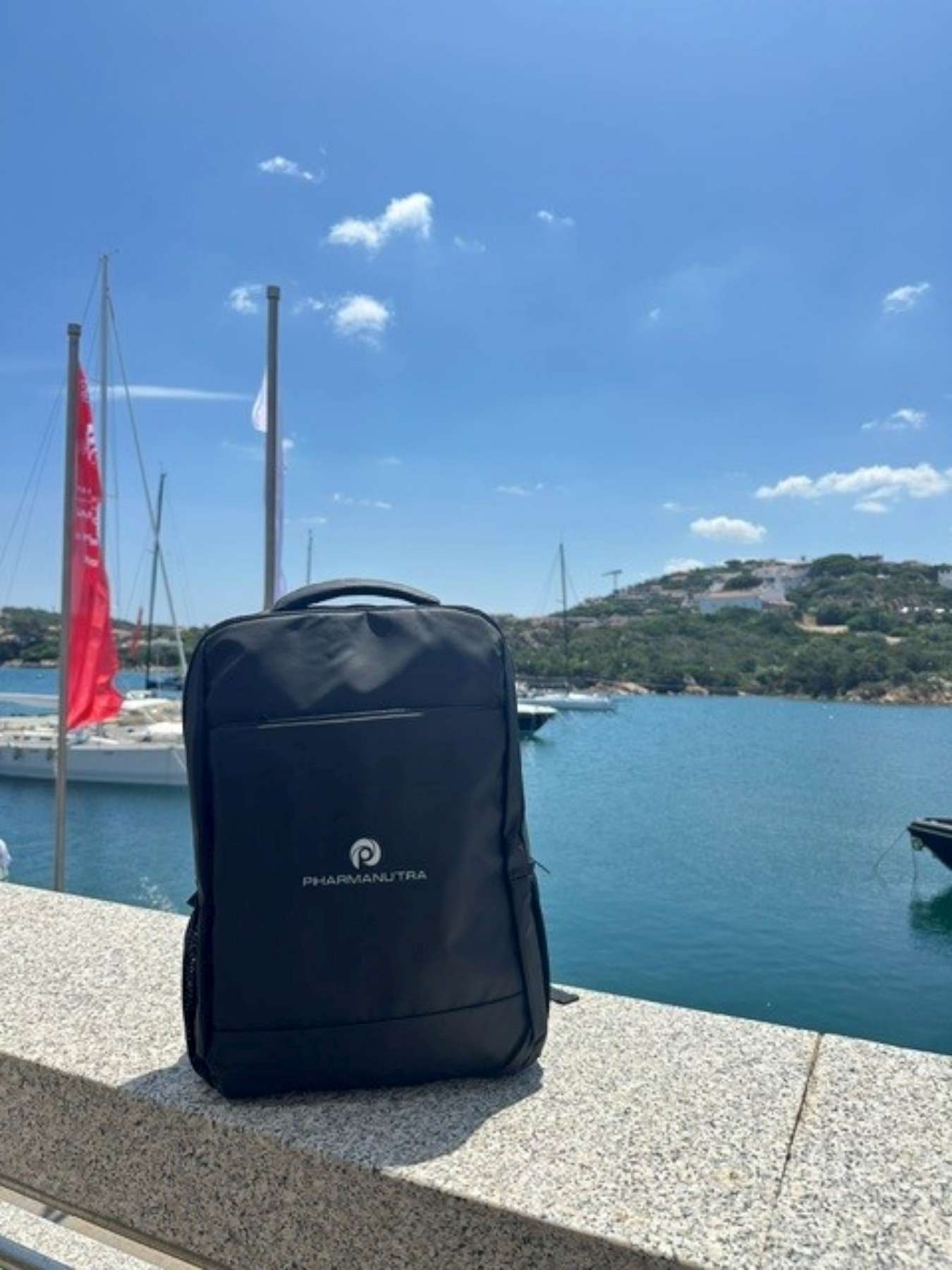
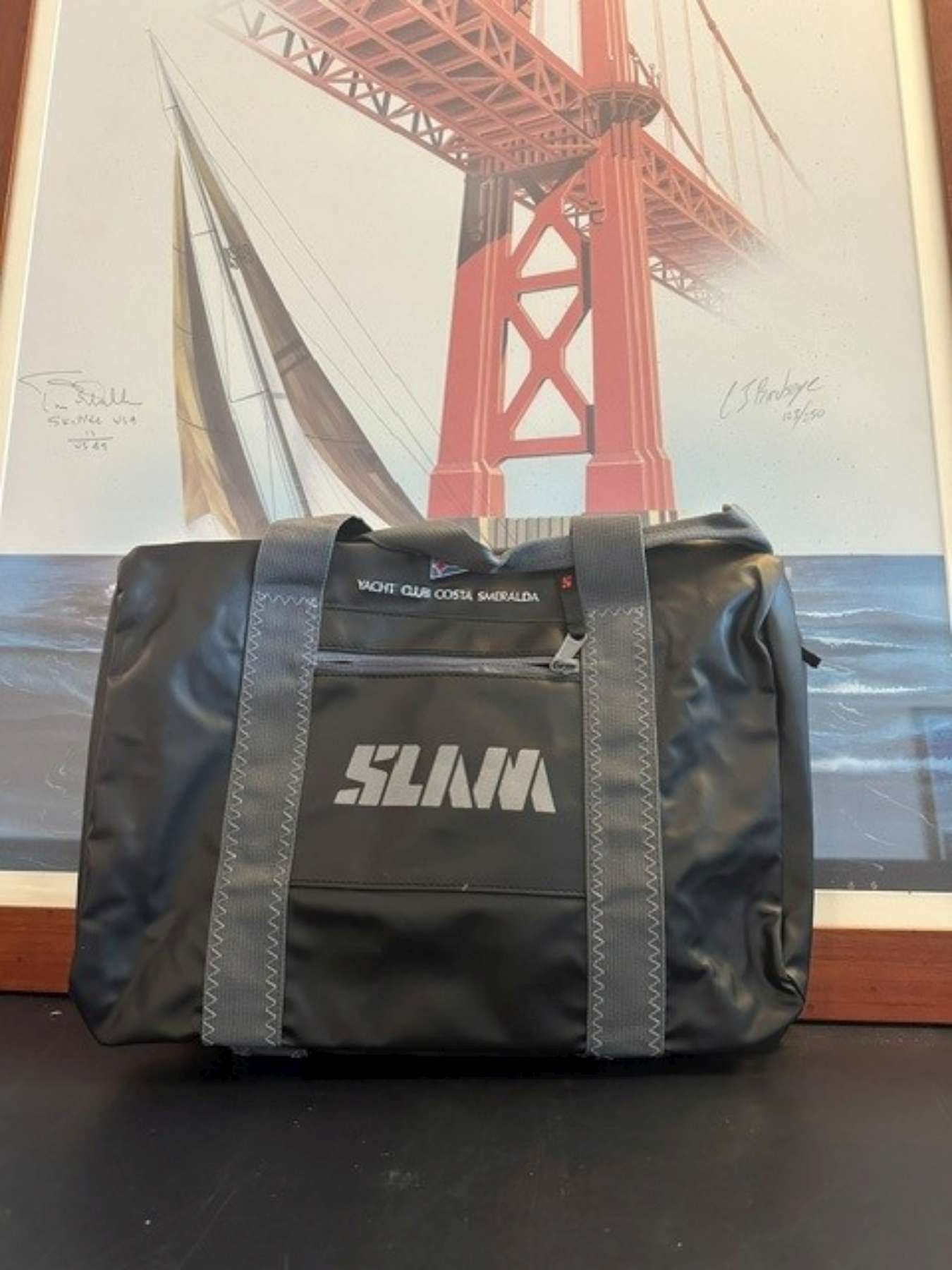
Reusable bags were given during the event on the occasion of the teams registrations
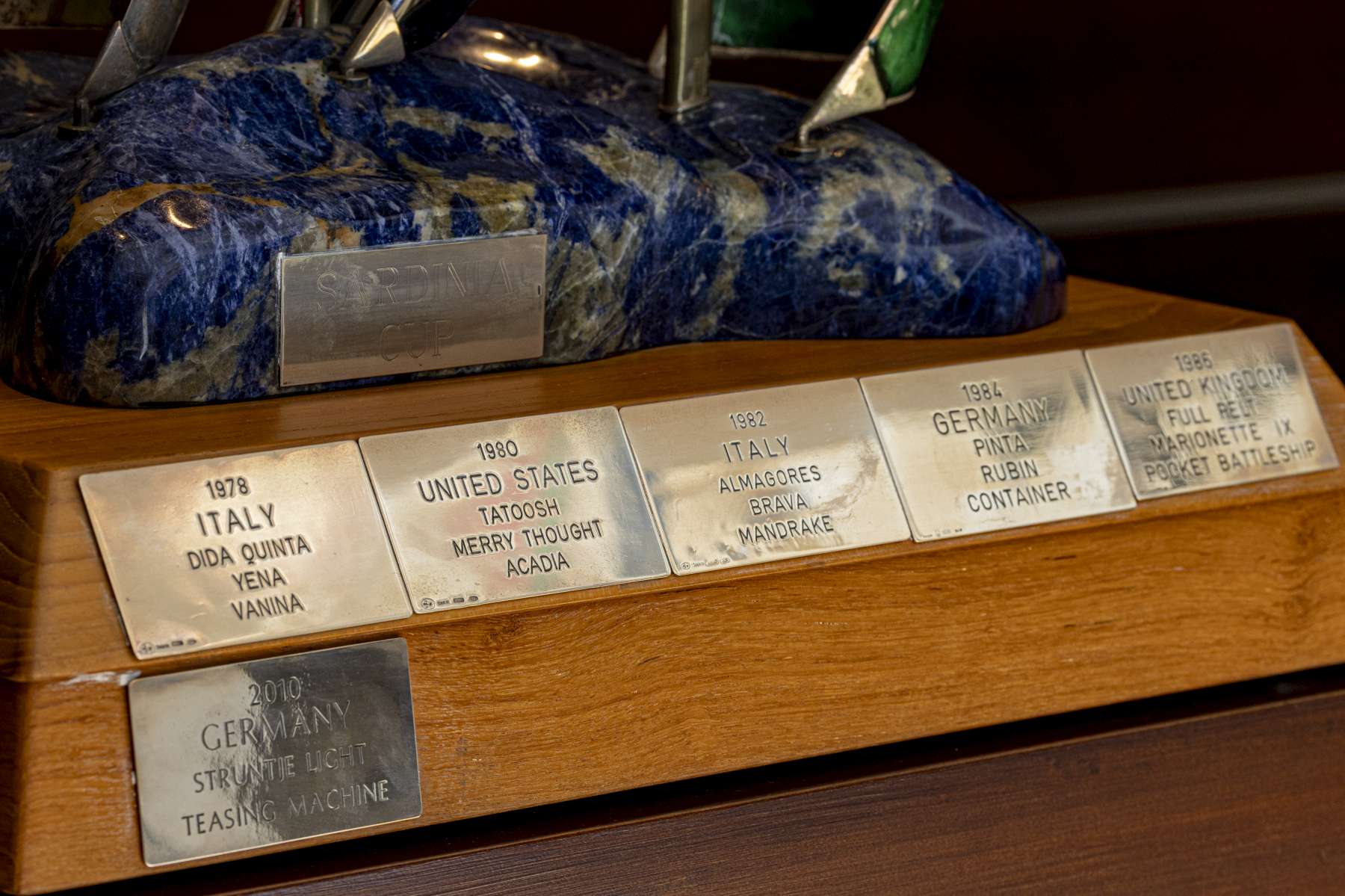
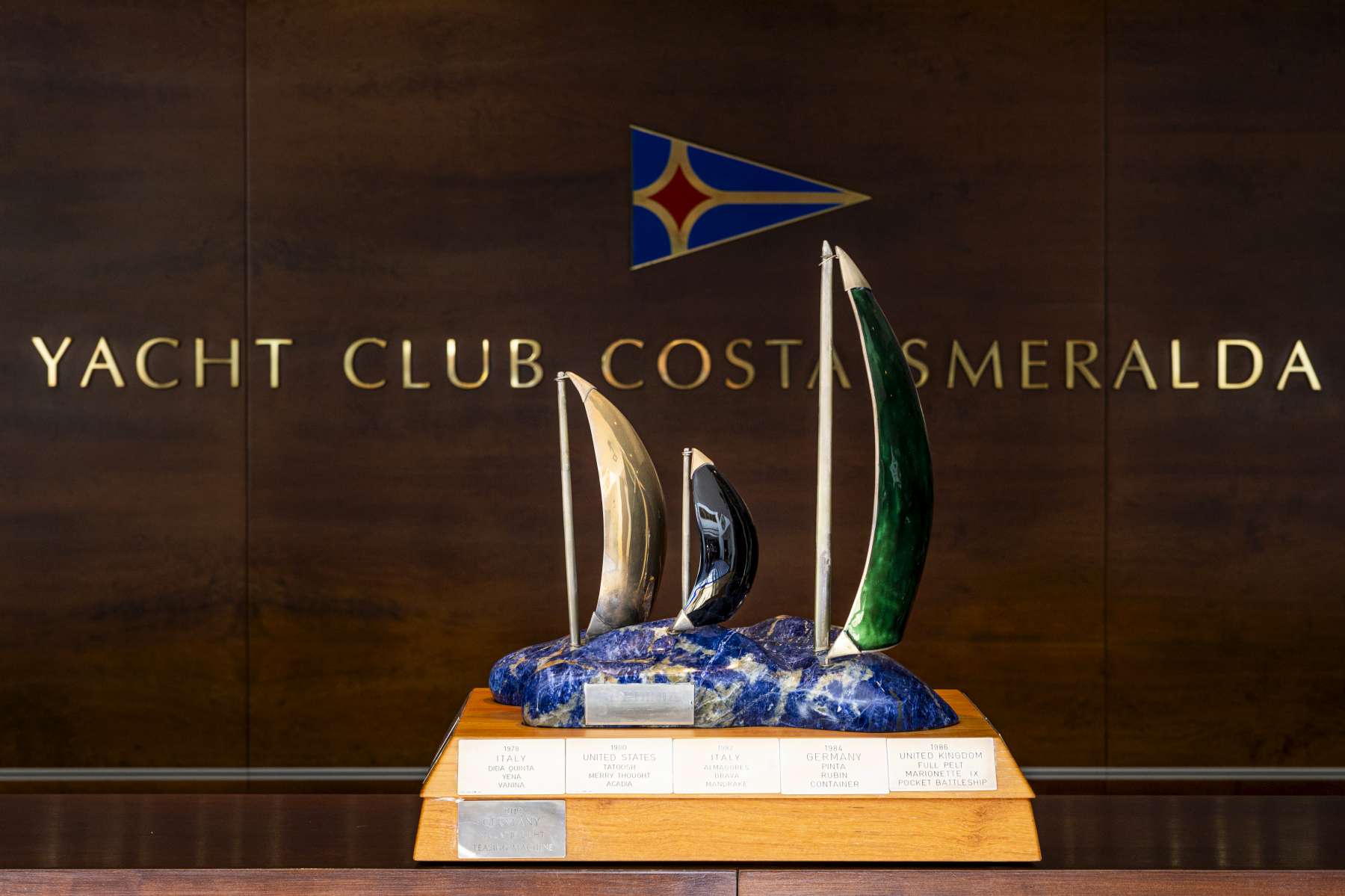
5. Award Practical Items or Use a Perpetual or Upcycled Trophy
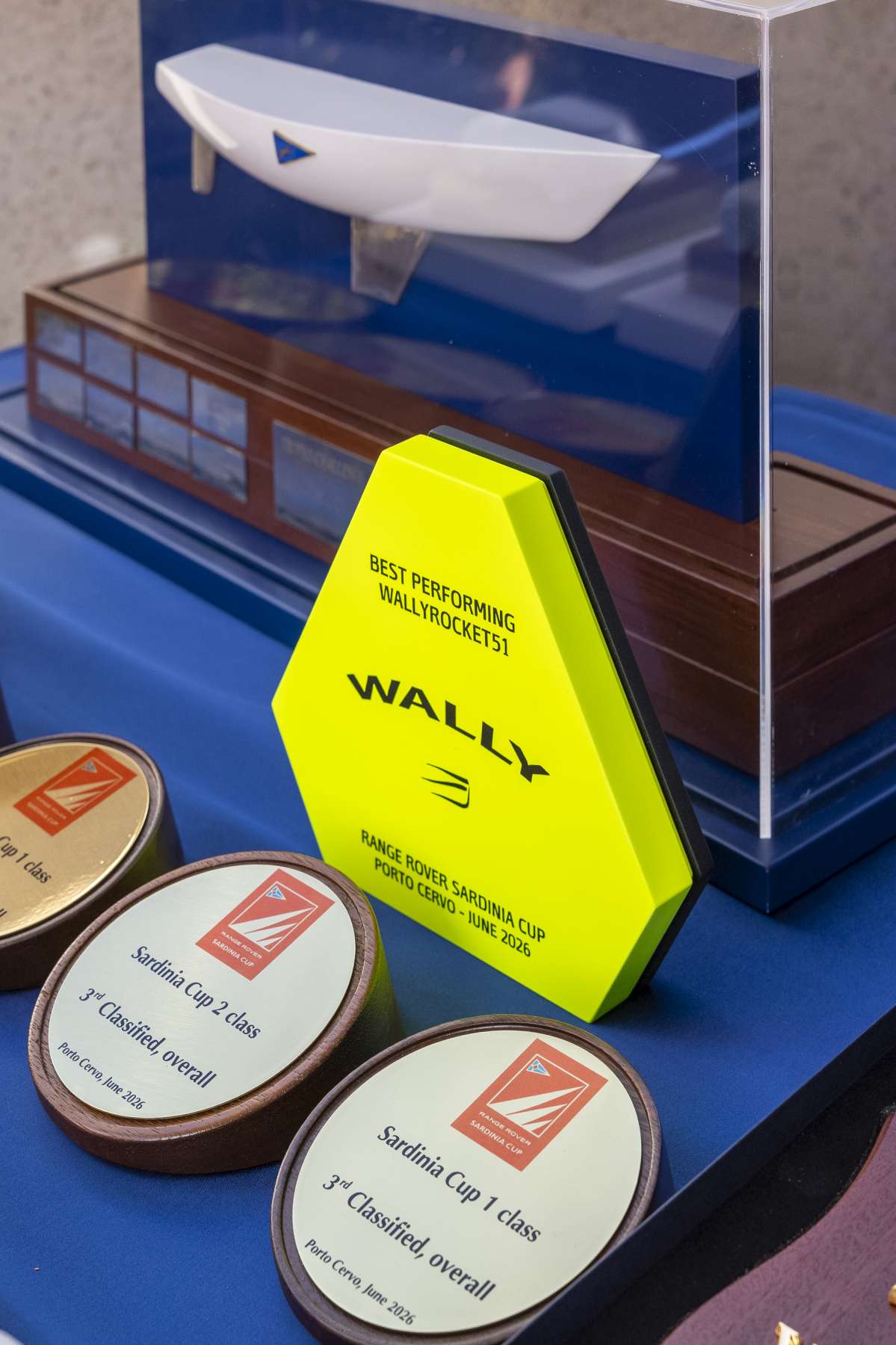
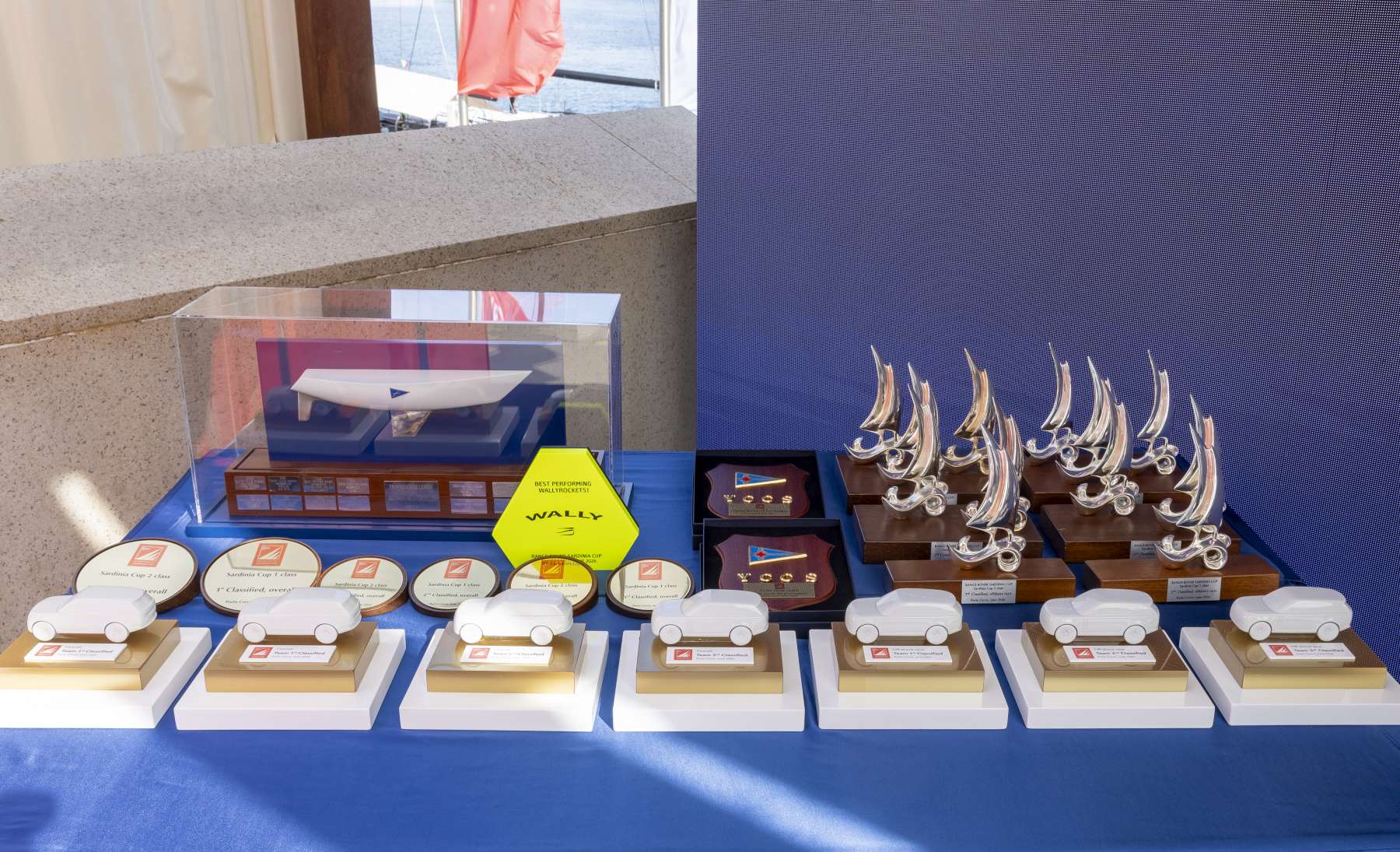
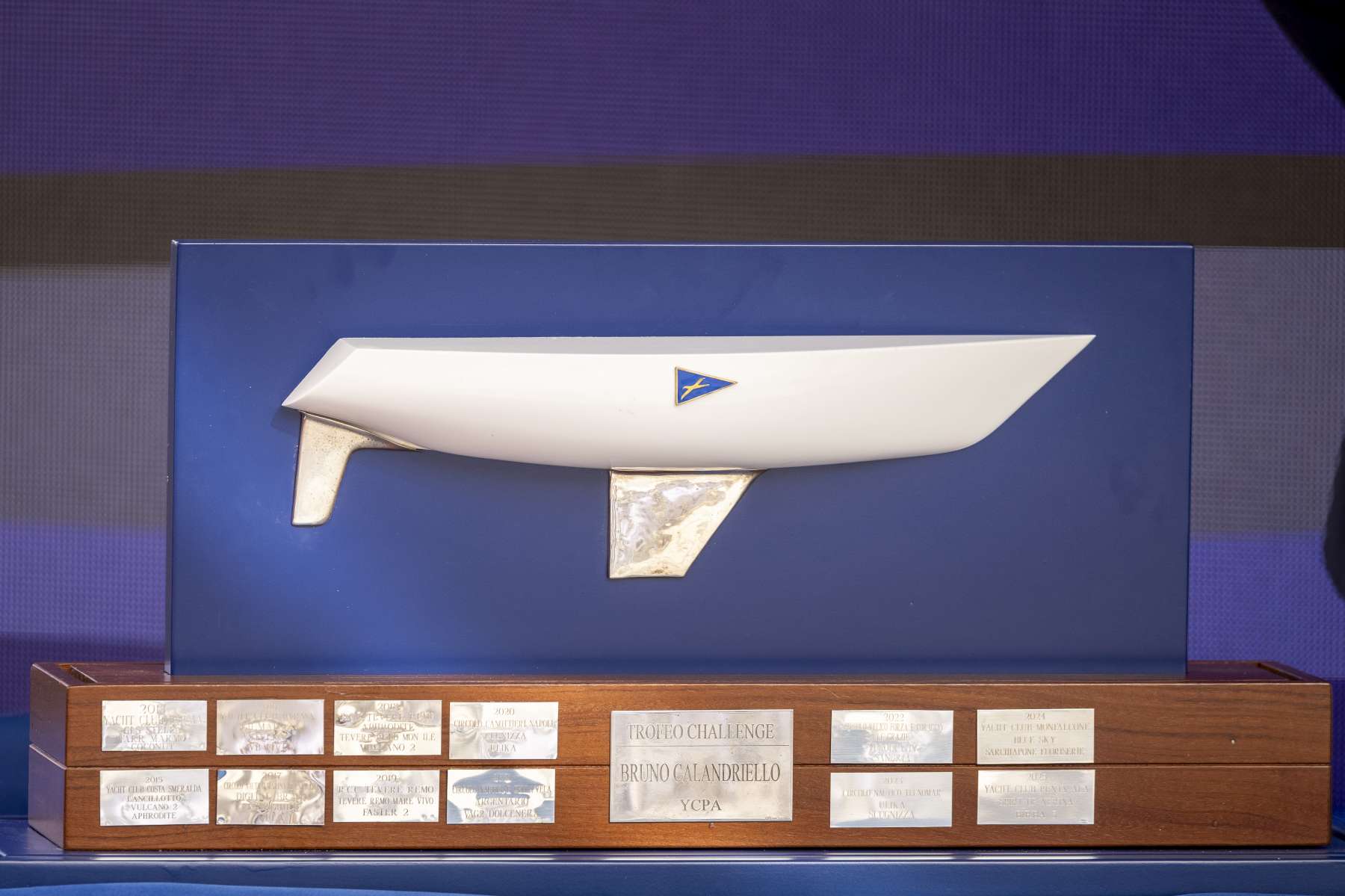
The winners were awarded with a perpetual trophy. The special prizes and those provided by the partner were also valuable items
6. Publicize Your Sustainability Efforts
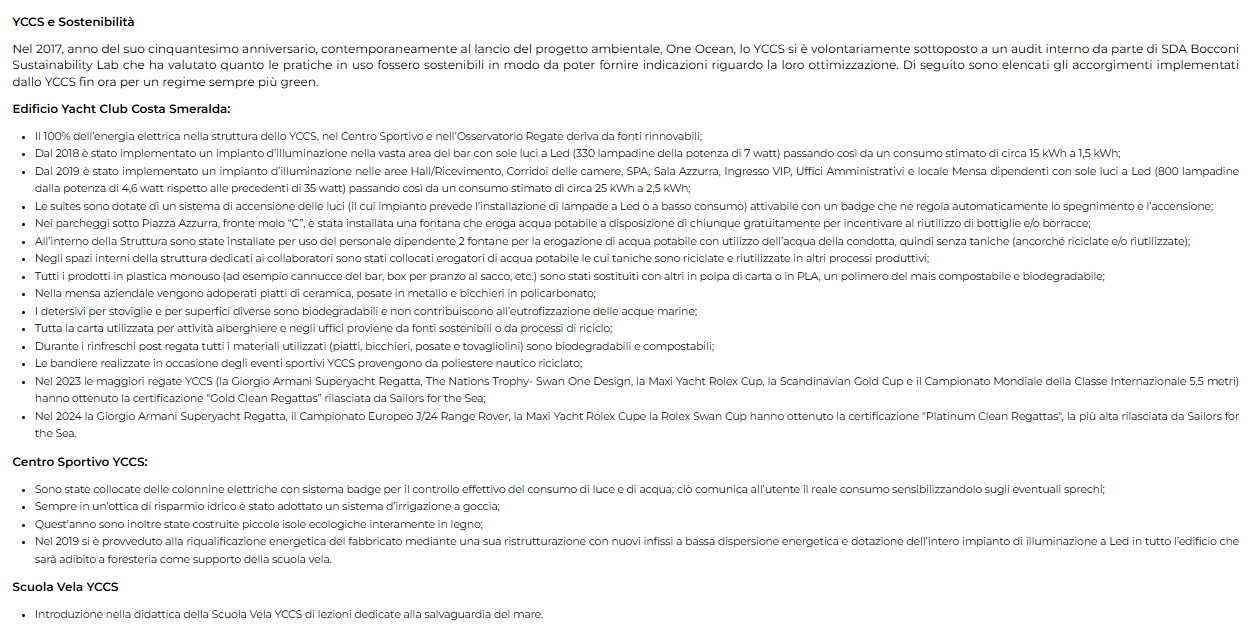
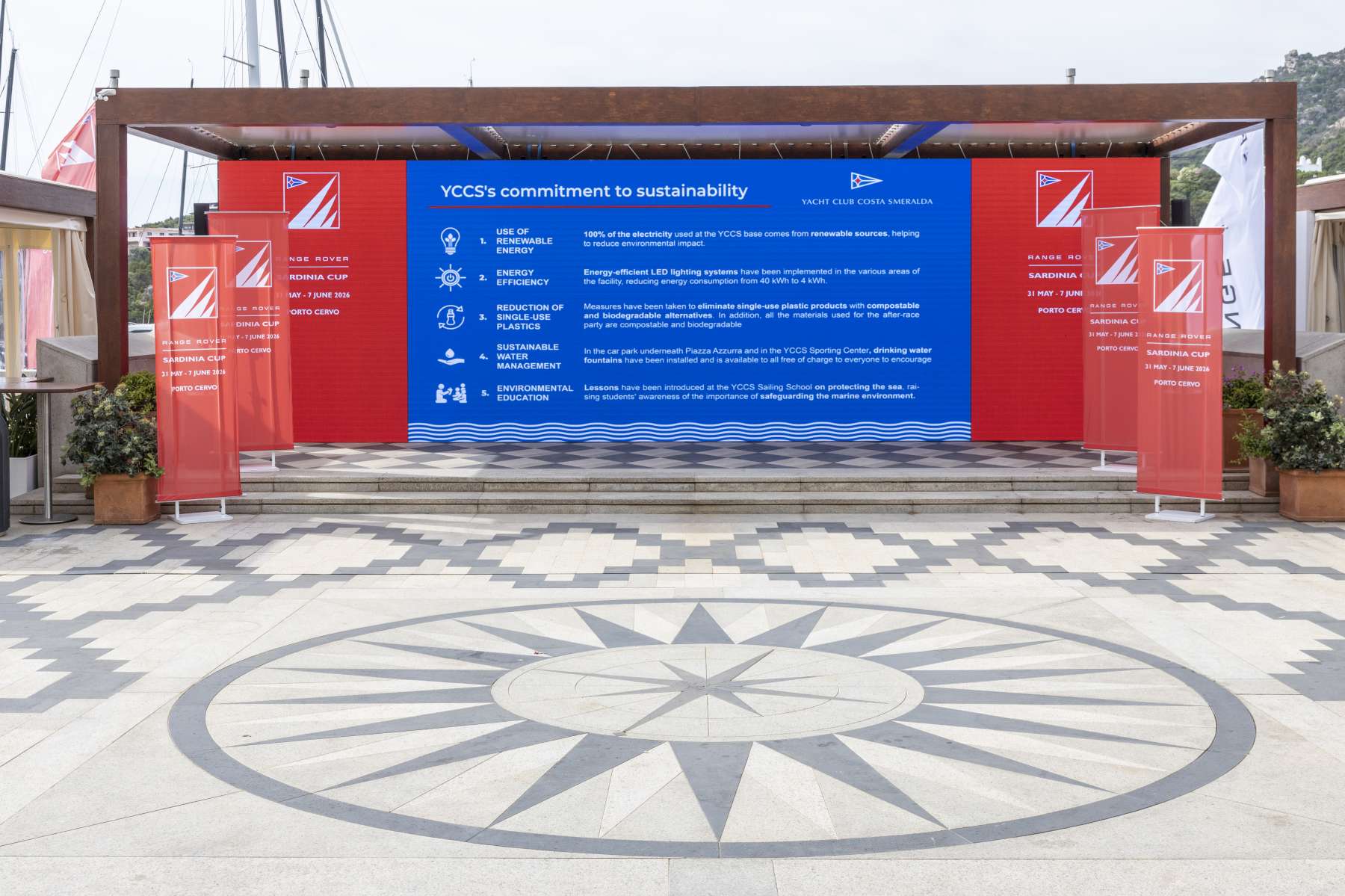
Information on the YCCS's environmental commitment and sustainability initiatives is permanently available on the official website.
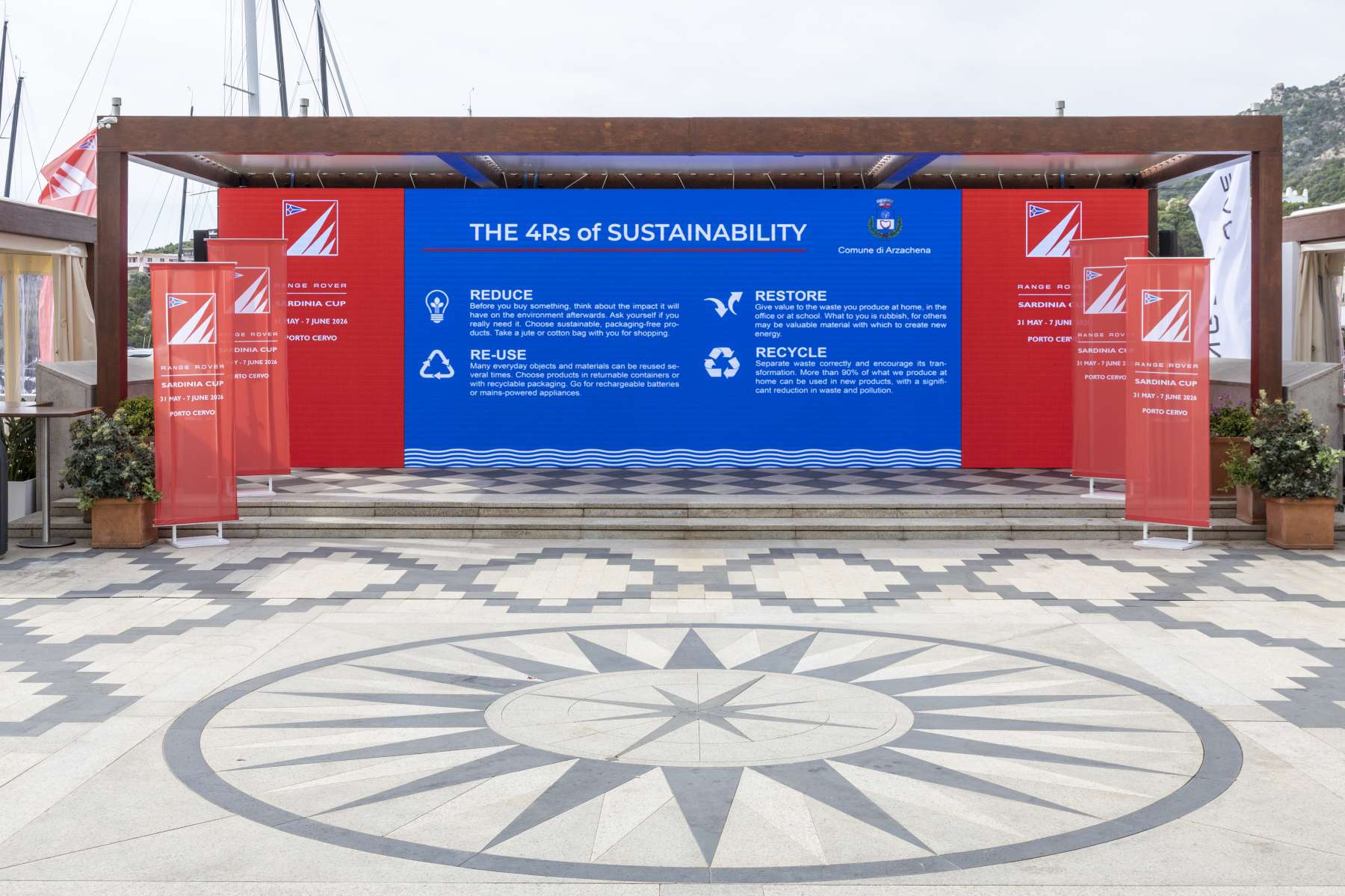
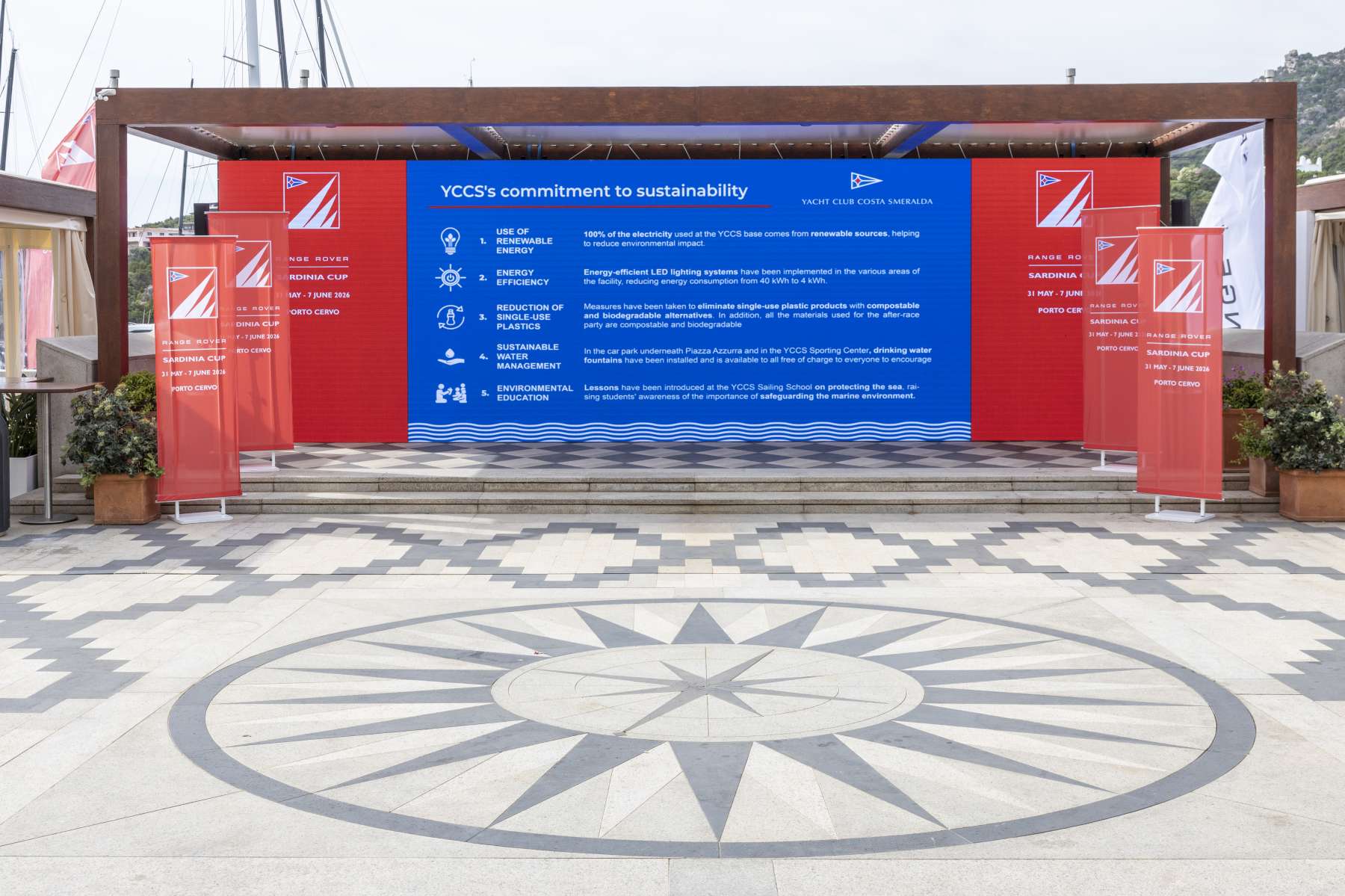
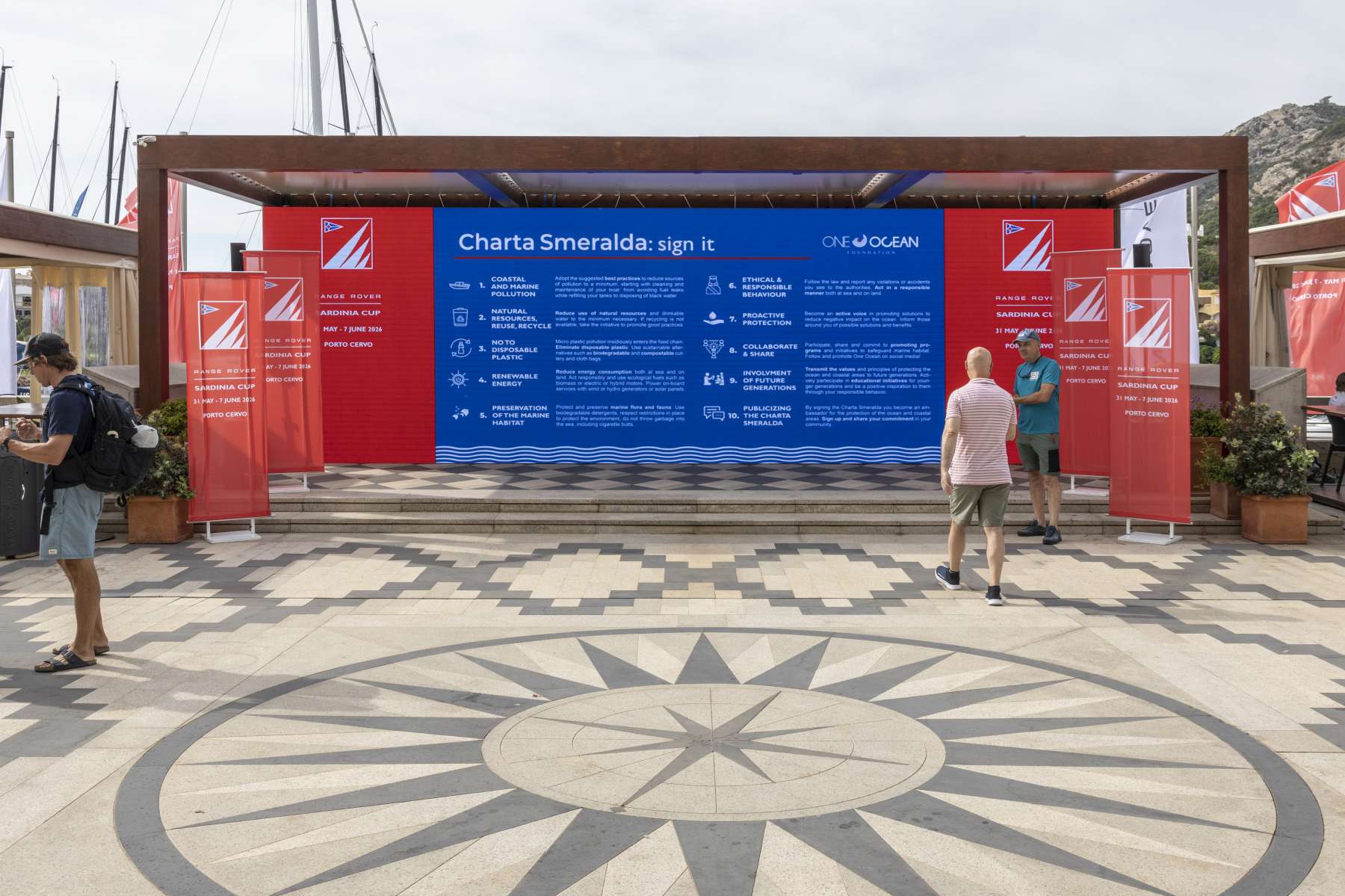
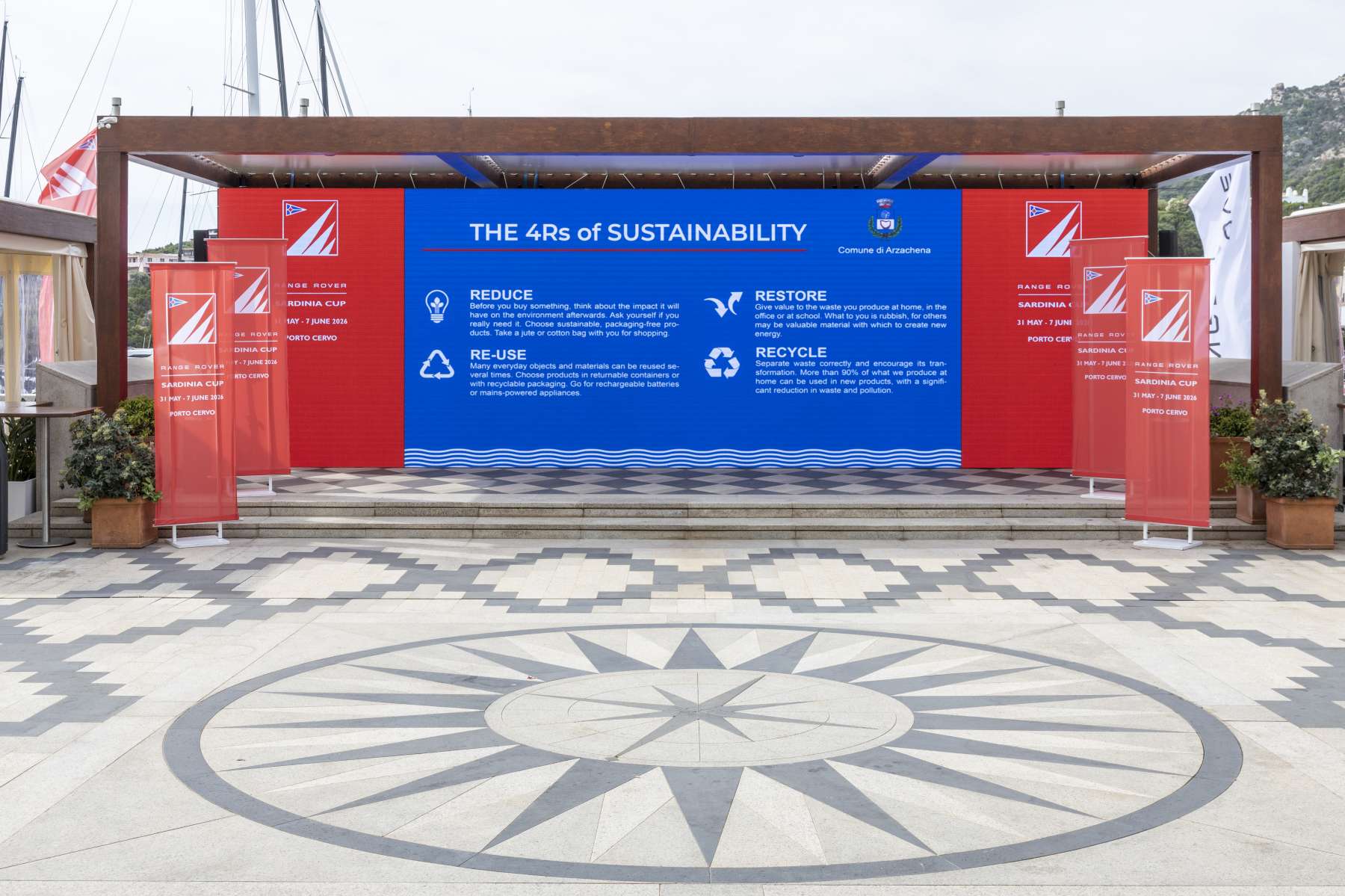
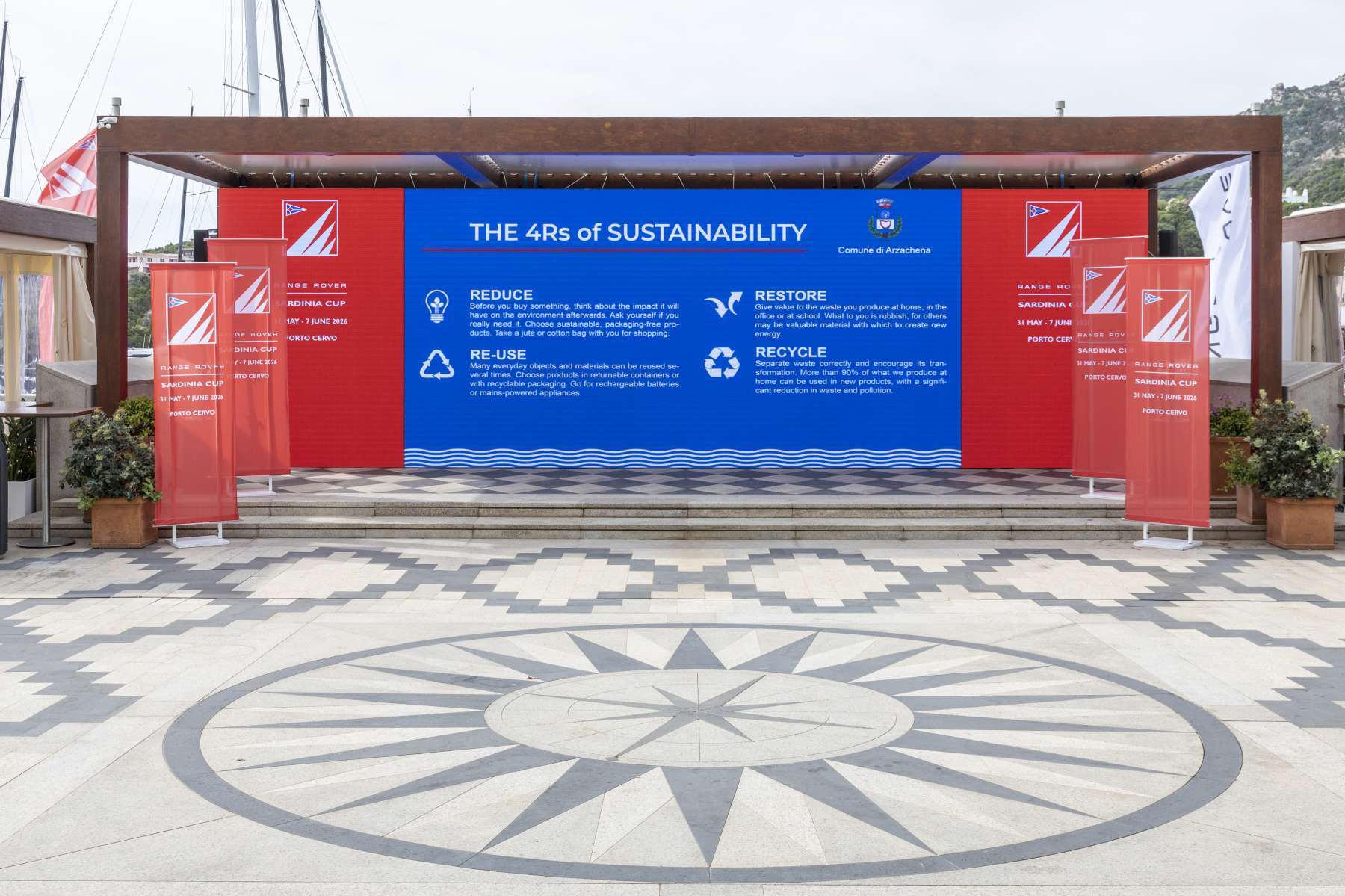
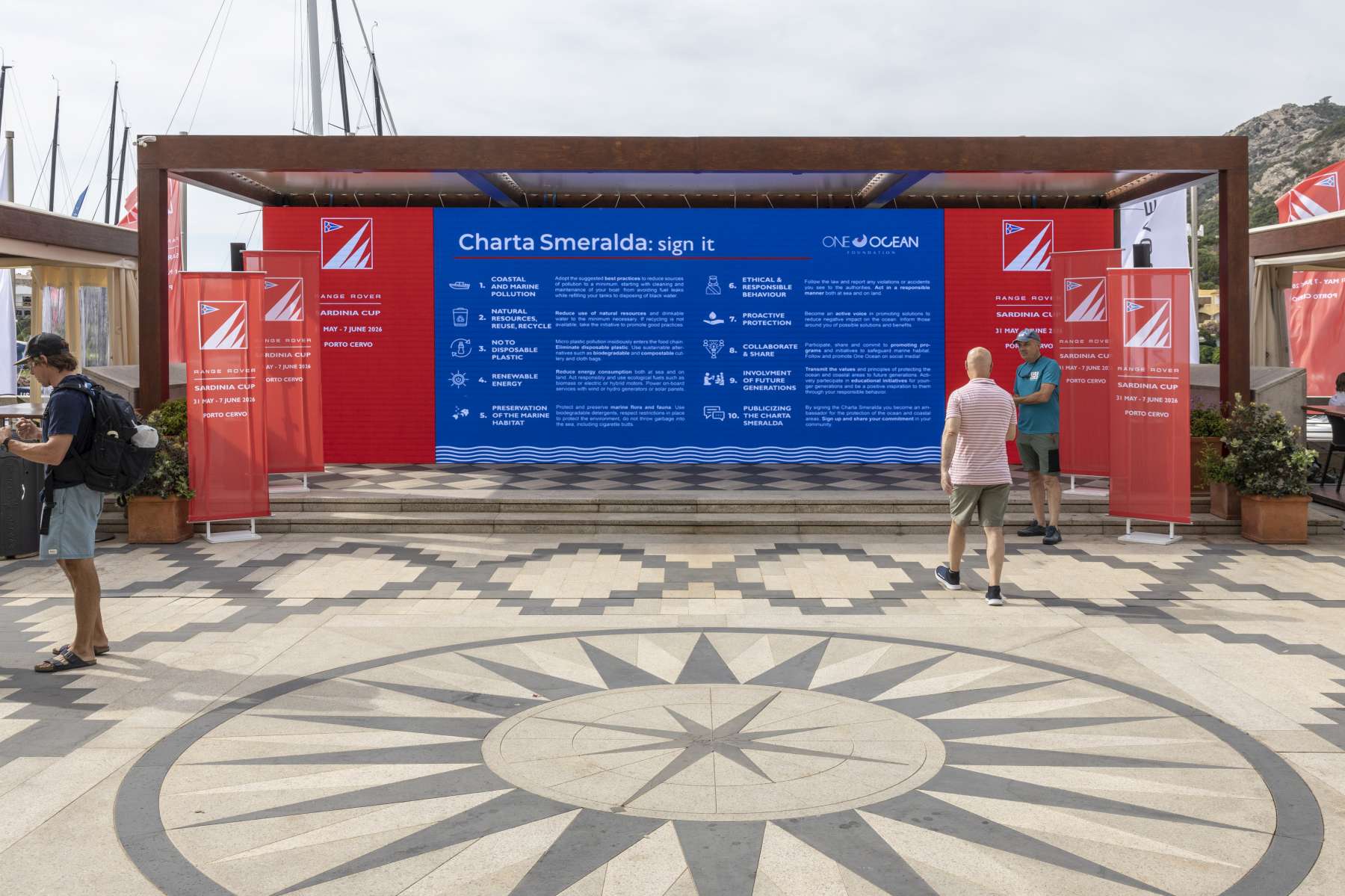
During the event, messages related to the 4Rs, the Charta Smeralda and the YCCS commitment were displayed on the ledwall in Piazza Azzurra, making them visible to all participants, guests and visitors. Importnat to be noted that the 4r content is promoted in collaboration with the municipal council of Arzachena.
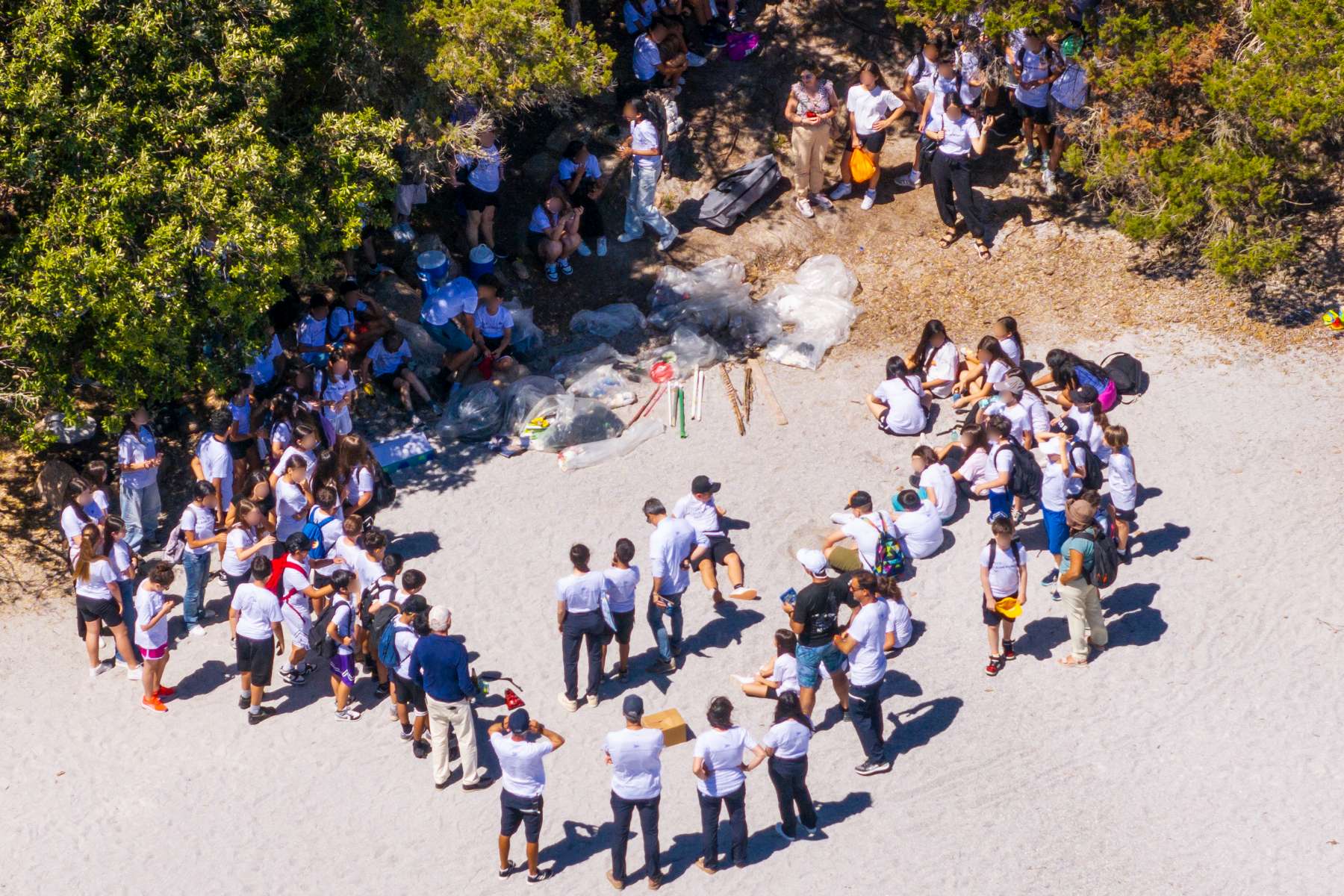
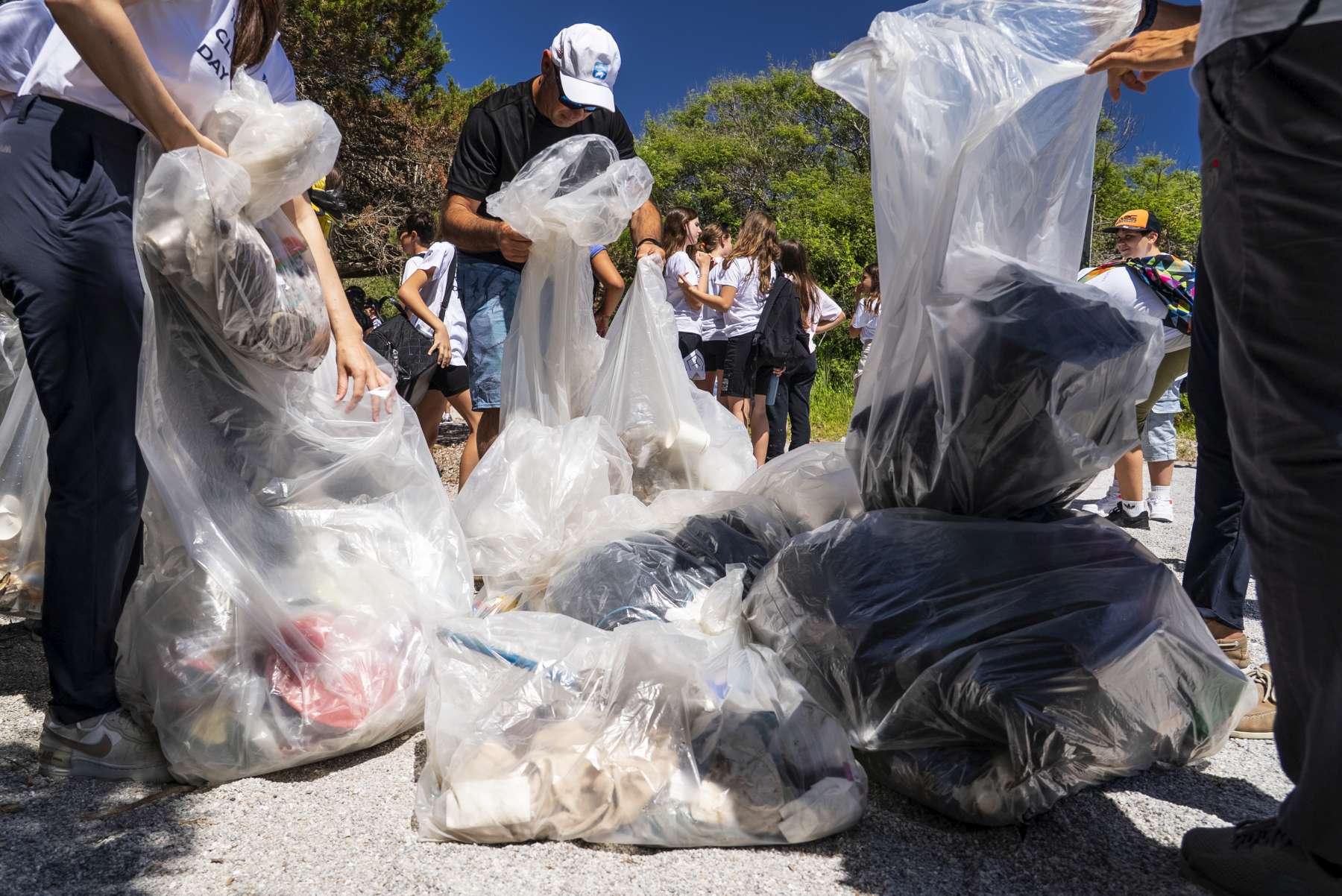
Finally, YCCS promoted and organised a clean beach day promoting the importance of concrete actions. Contents of the clean beach have been posted on YCCS IG account
7. Involve Local Organizations
The 4Rs sustainability principles promoted during the event were developed in collaboration with the Municipality of Arzachena. By sharing these messages with people, the event involved a local institution in its sustainability awareness activities
8. Post Educational and Reusable Signage
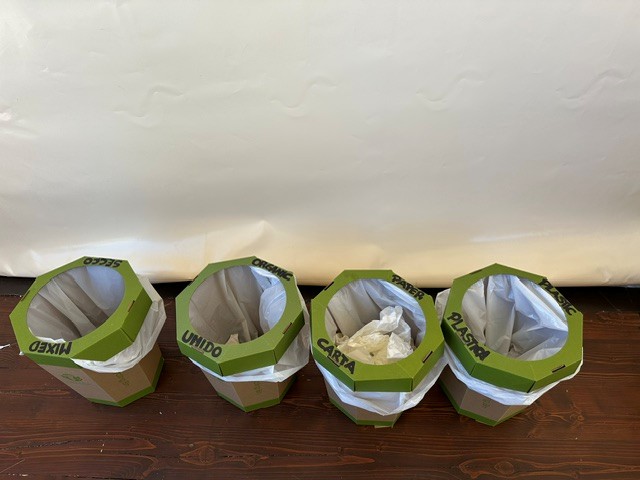
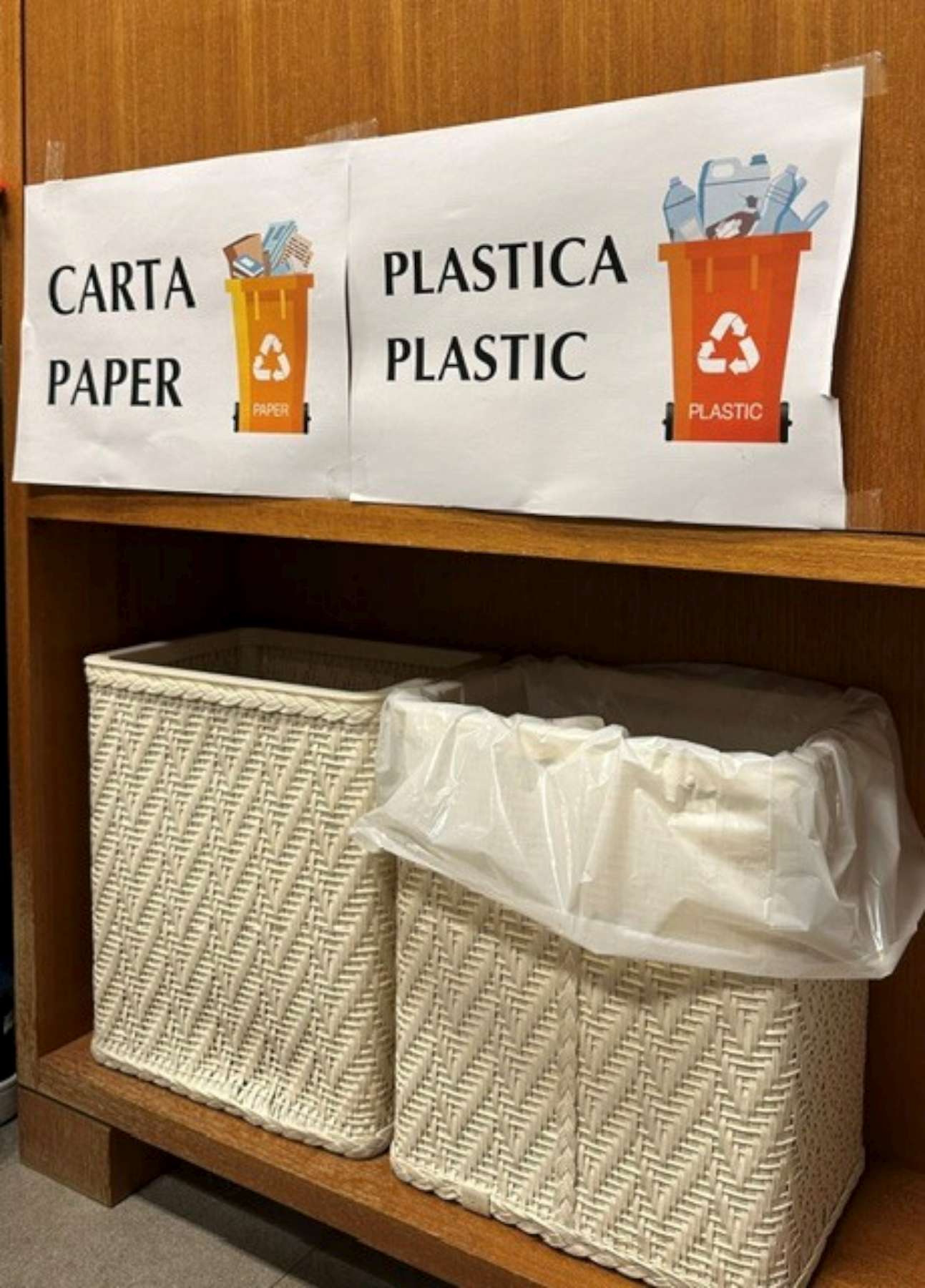
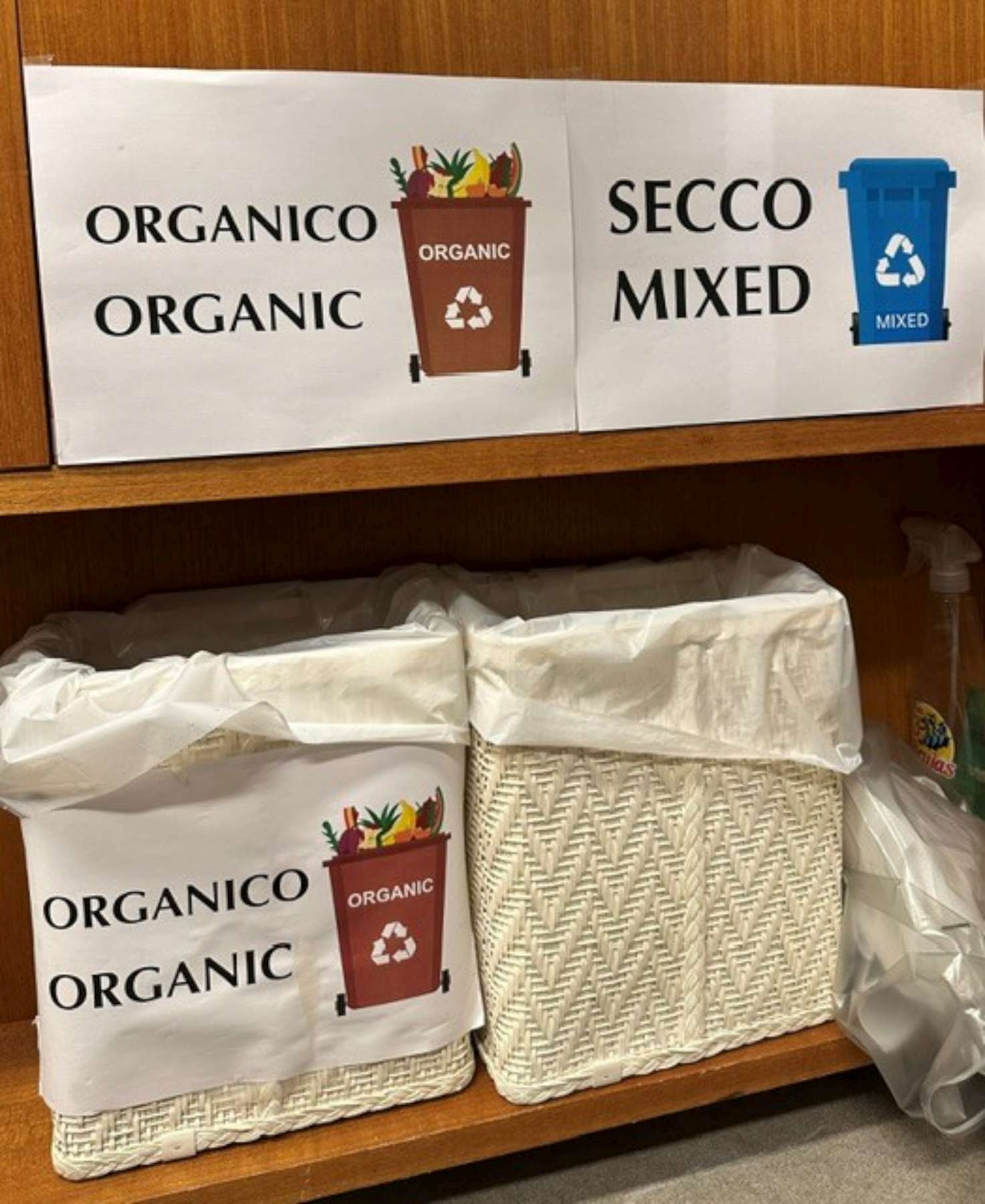
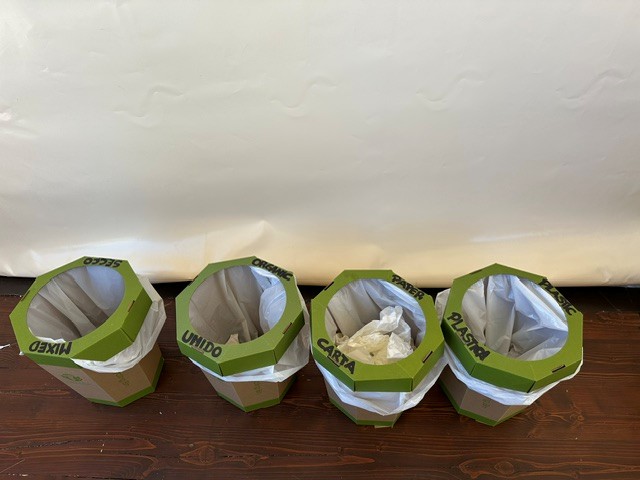
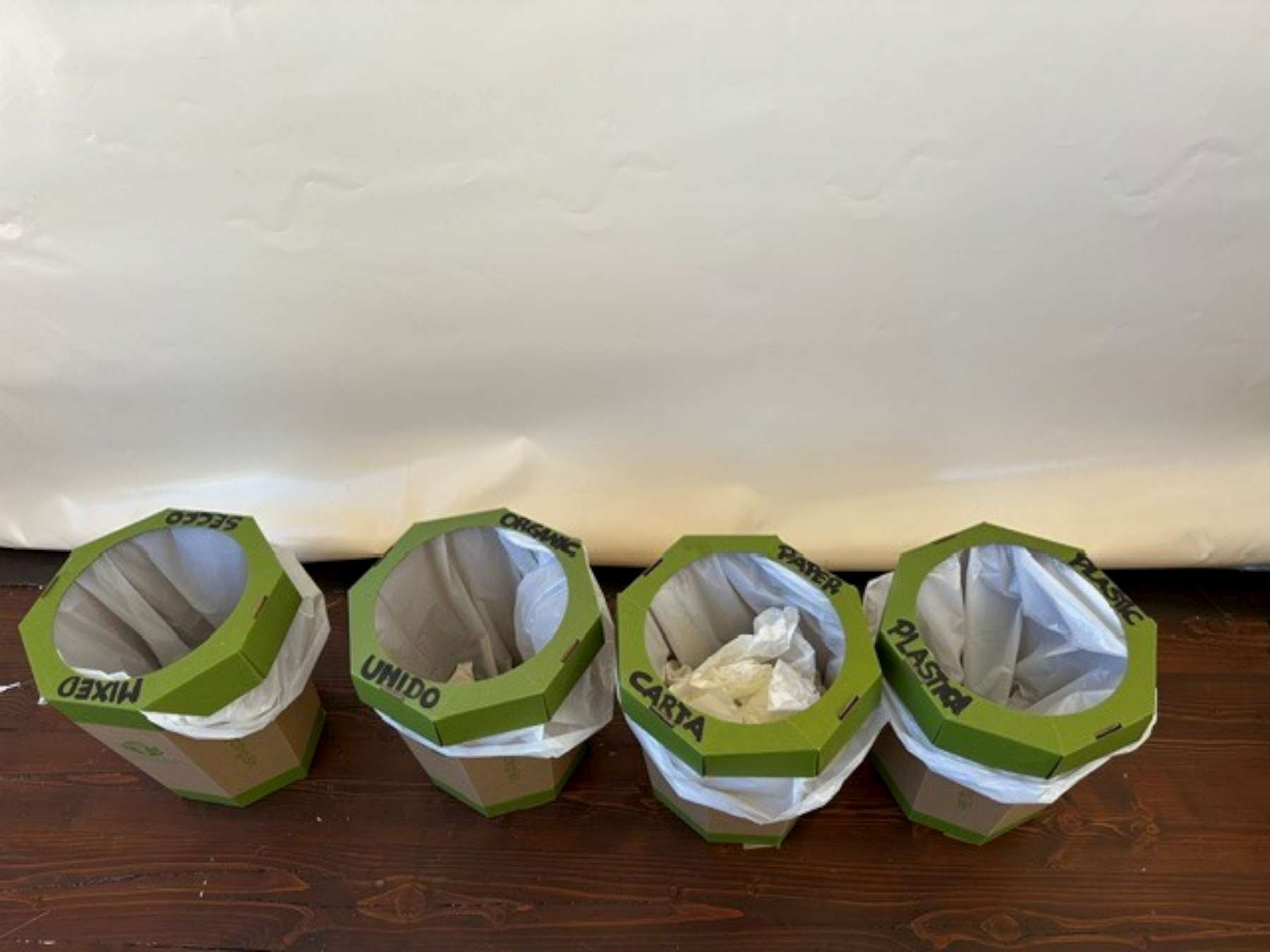
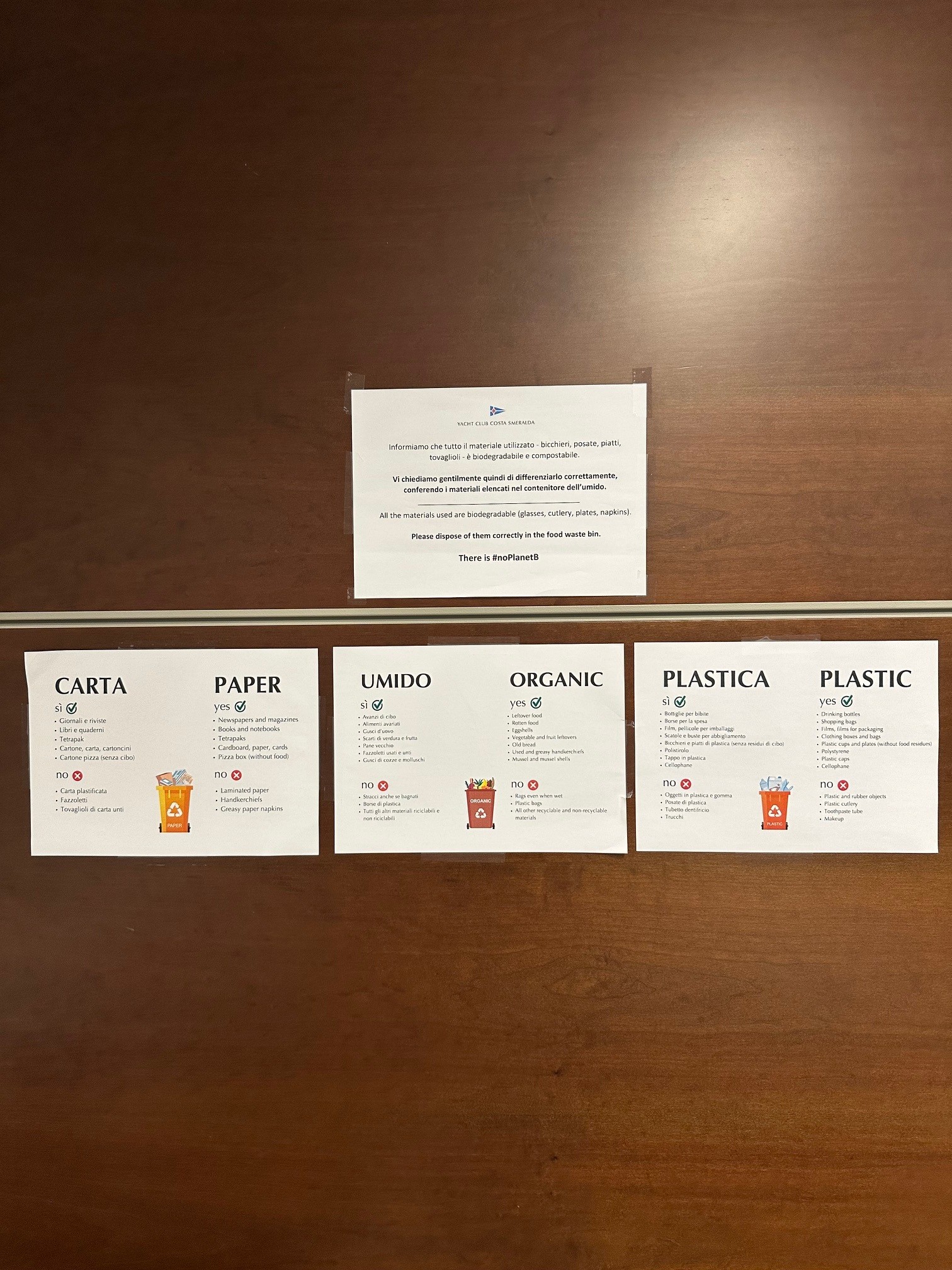
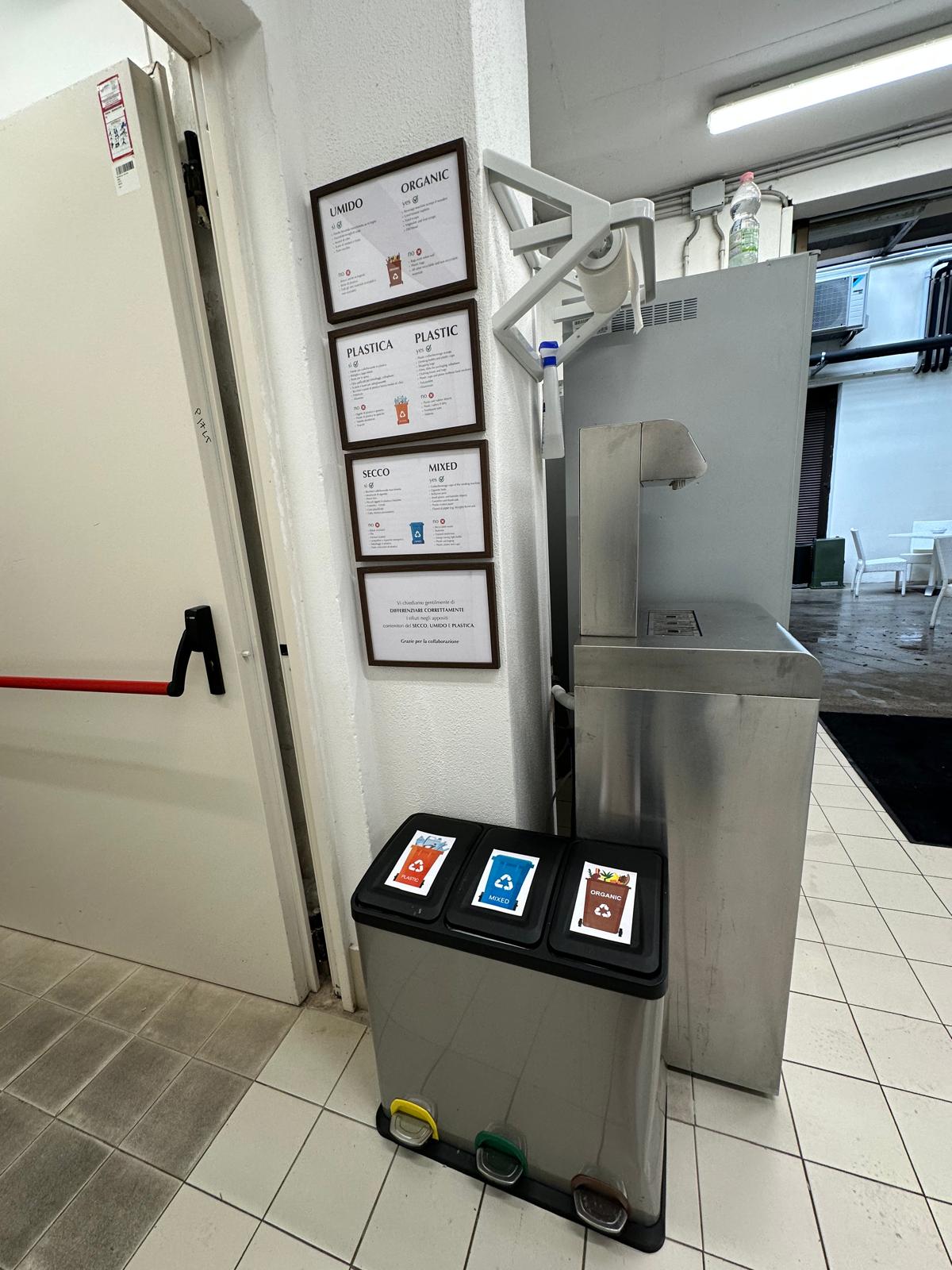
In the village and inside the YCCS the bins indicated how to differentiate the waste.
Educational signage are also displayed next to the drinking water fountain, sharing key facts on water consumption and plastic pollution.
9. Serve Local Food or Source Seafood Sustainably
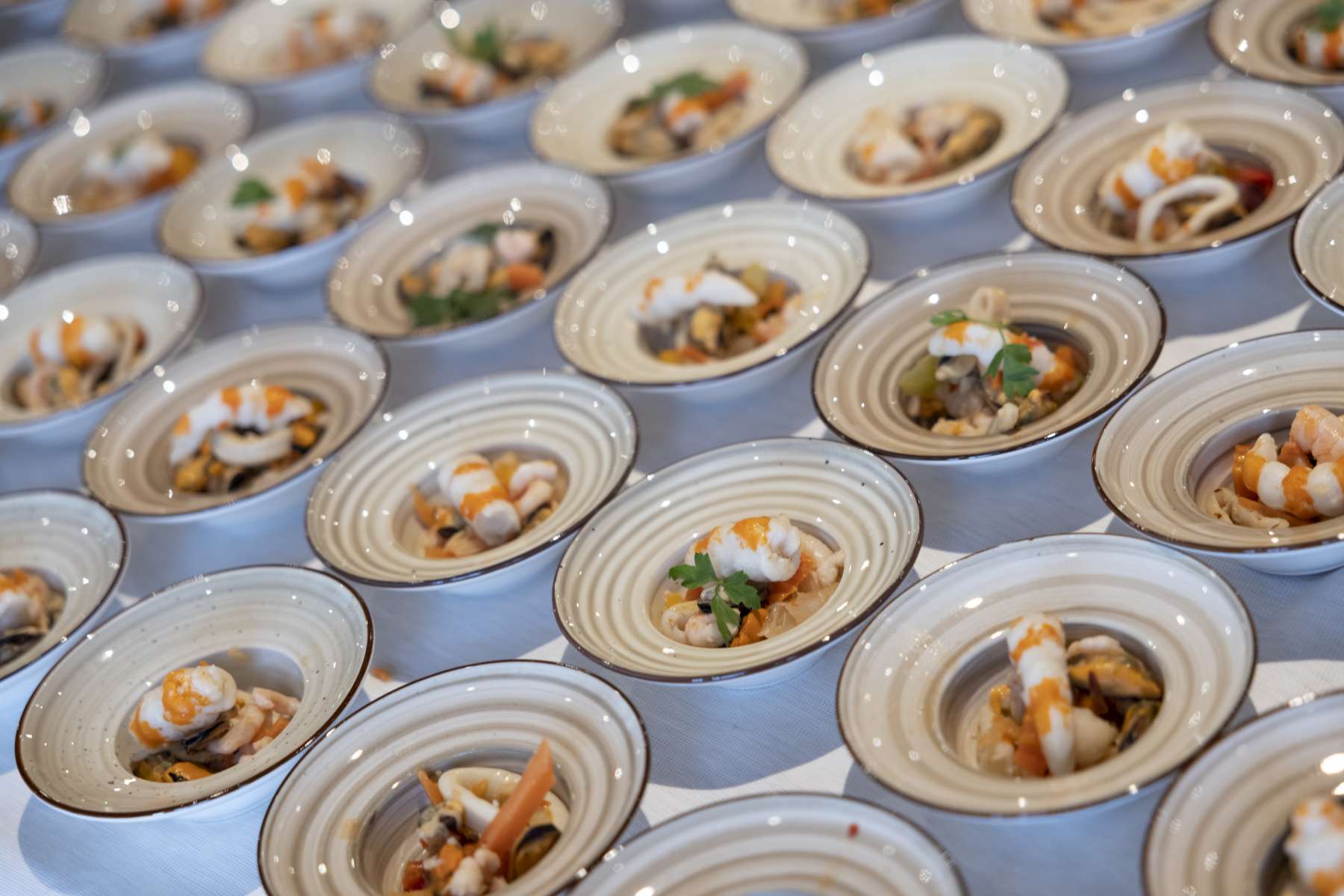
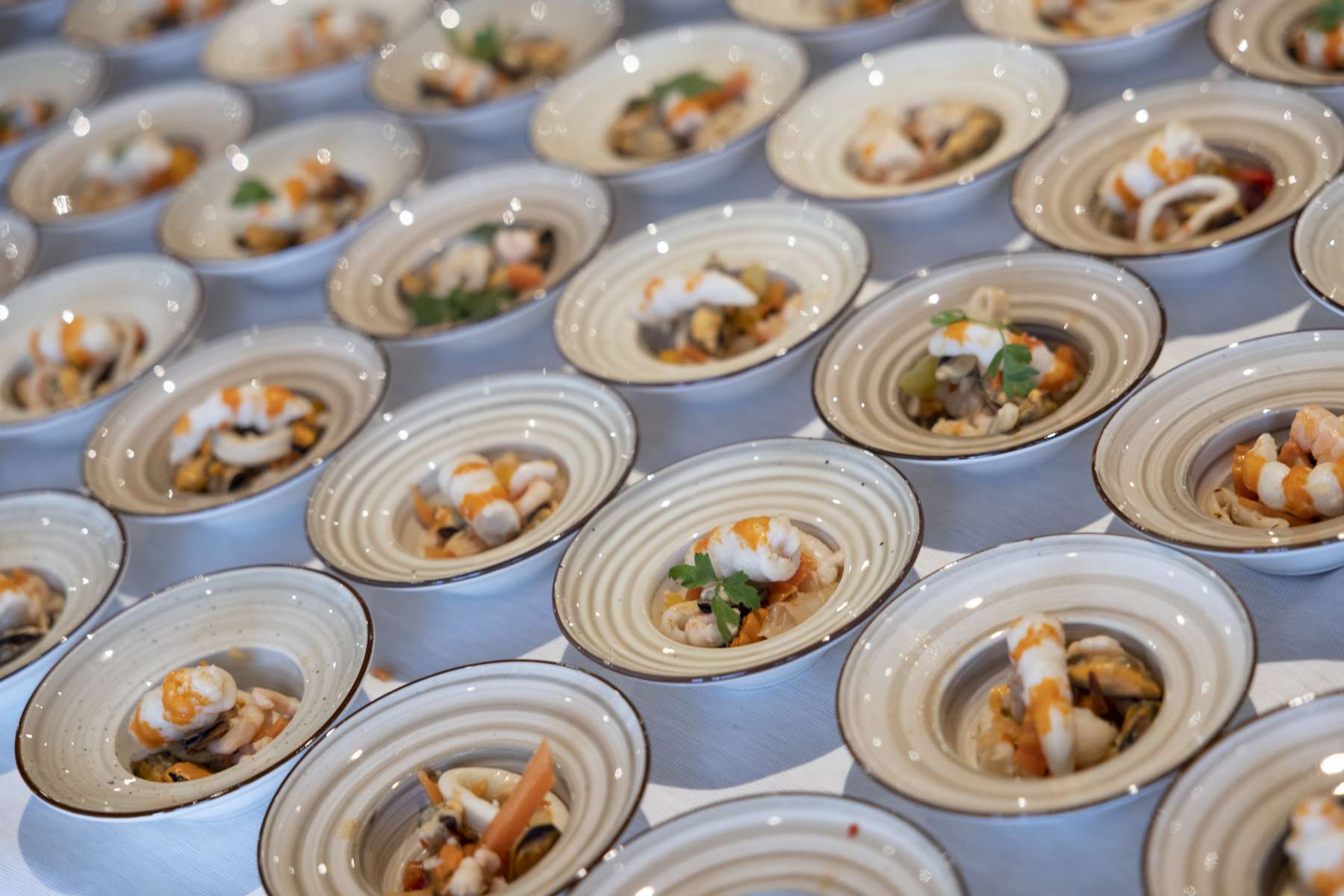
Local and seafood dishes were served at social events and after race refreshment. In the photo, for example, there are seafood dishes featuring local prawns, squid and mussels
10. Organize a Green Team
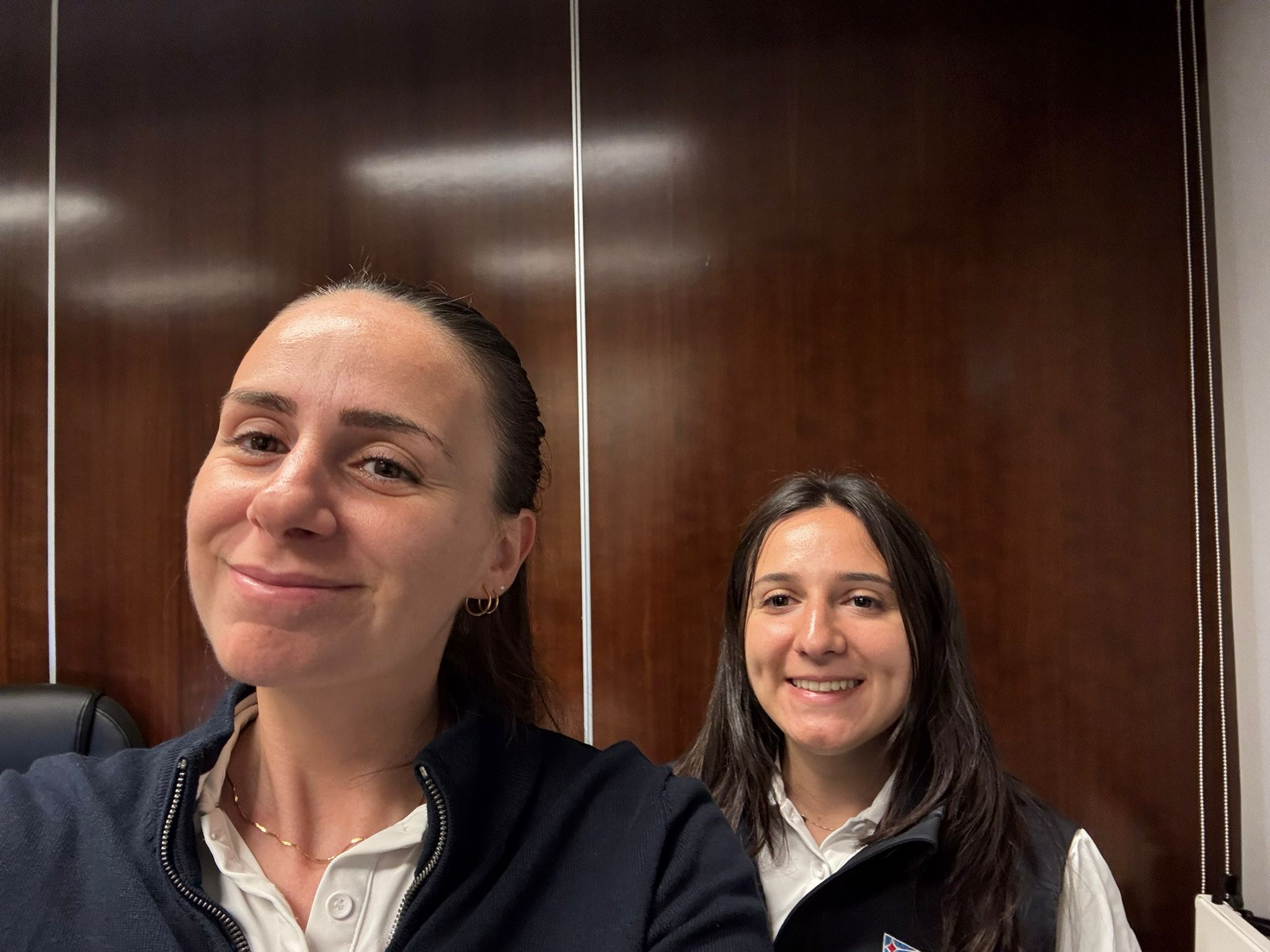
The Green Team was composed of two staff members who helped coordinate and document the Clean Regattas actions during the event.
11. Ensure Proper Waste Bin Placement and Signage
We have placed rubbish bins in such a way as to facilitate waste sorting, clearly indicating which types of waste should go into each one
12. Divert Food Waste from the Landfill
Food service for the after-race refreshments was planned with moderate portions in order to avoid overproduction and reduce excessive leftovers.
Waste-sorting bins were available with information on how to differentiate things, helping participants, staff and visitors separate waste correctly.
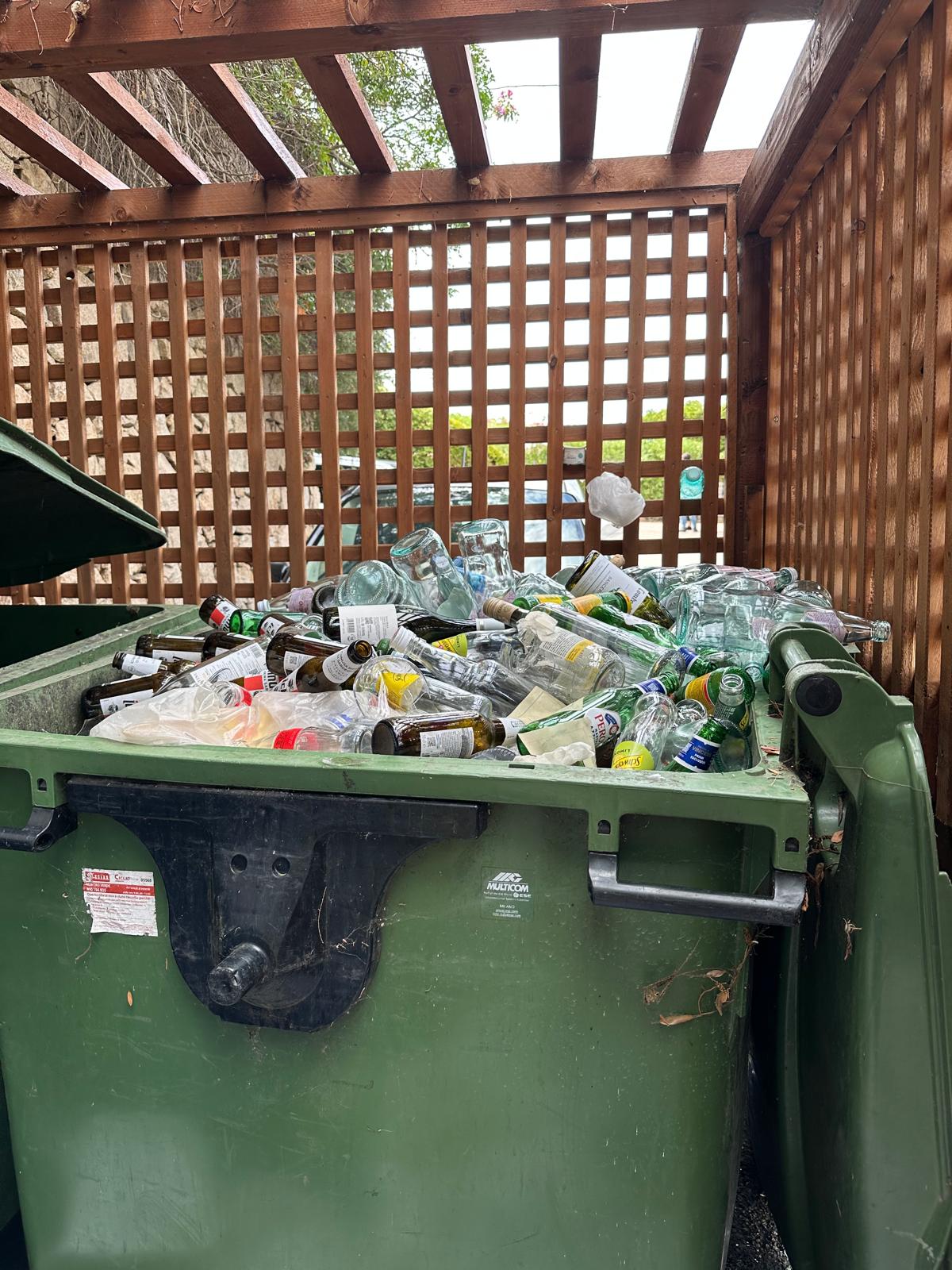
Separate waste collection is required by law in Italy, so waste must always be sorted before disposal and put into the bind provided by local organisations.
13. Use Paperless Event Management
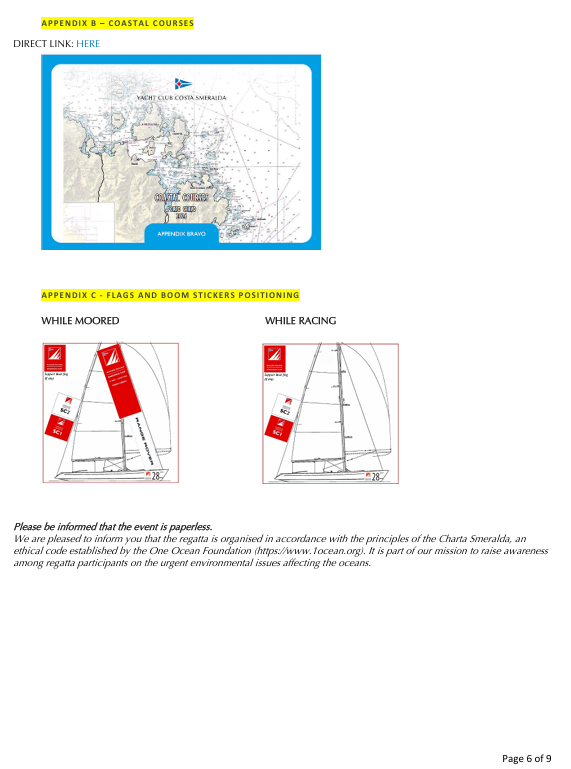
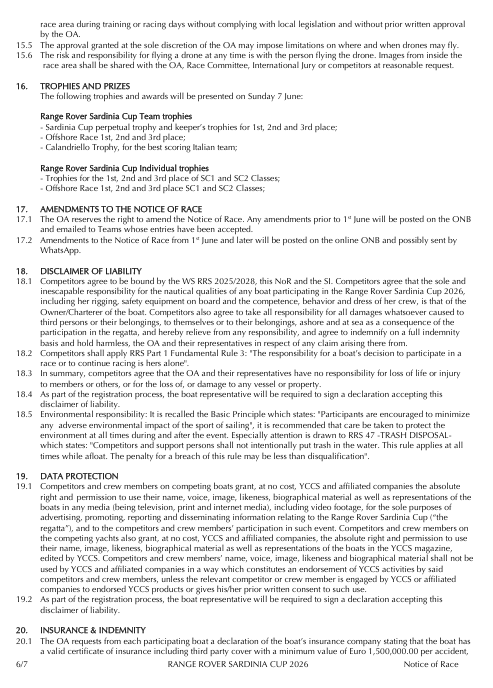
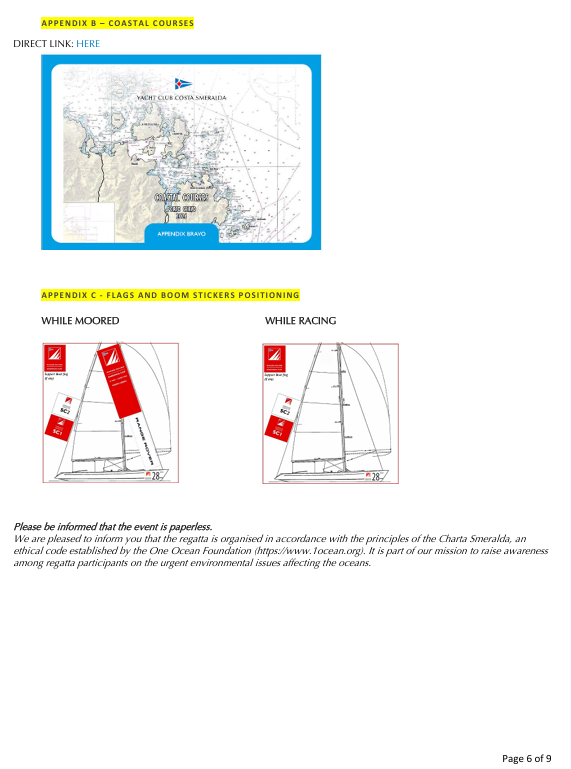
The event has been paperless, official event documents were published on the website, in the section dedicated to the regatta.
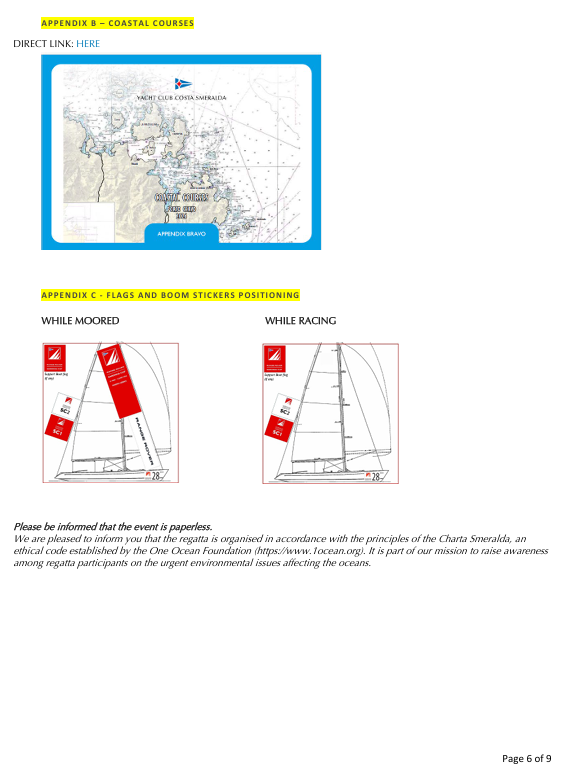
Furthermore, the sailing instructions specified that this was a paperless event.
14. Host a Beach or Marina Cleanup
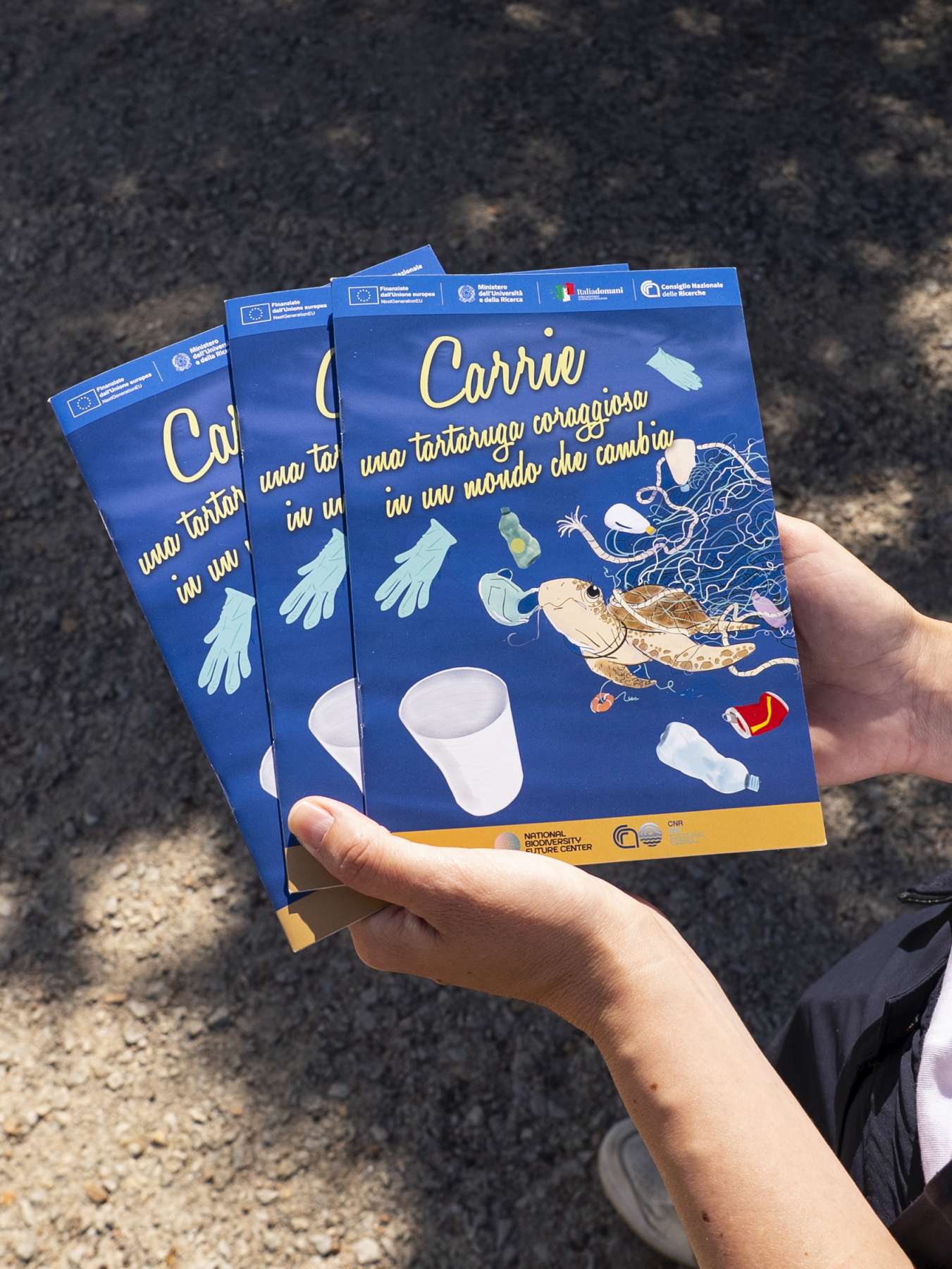
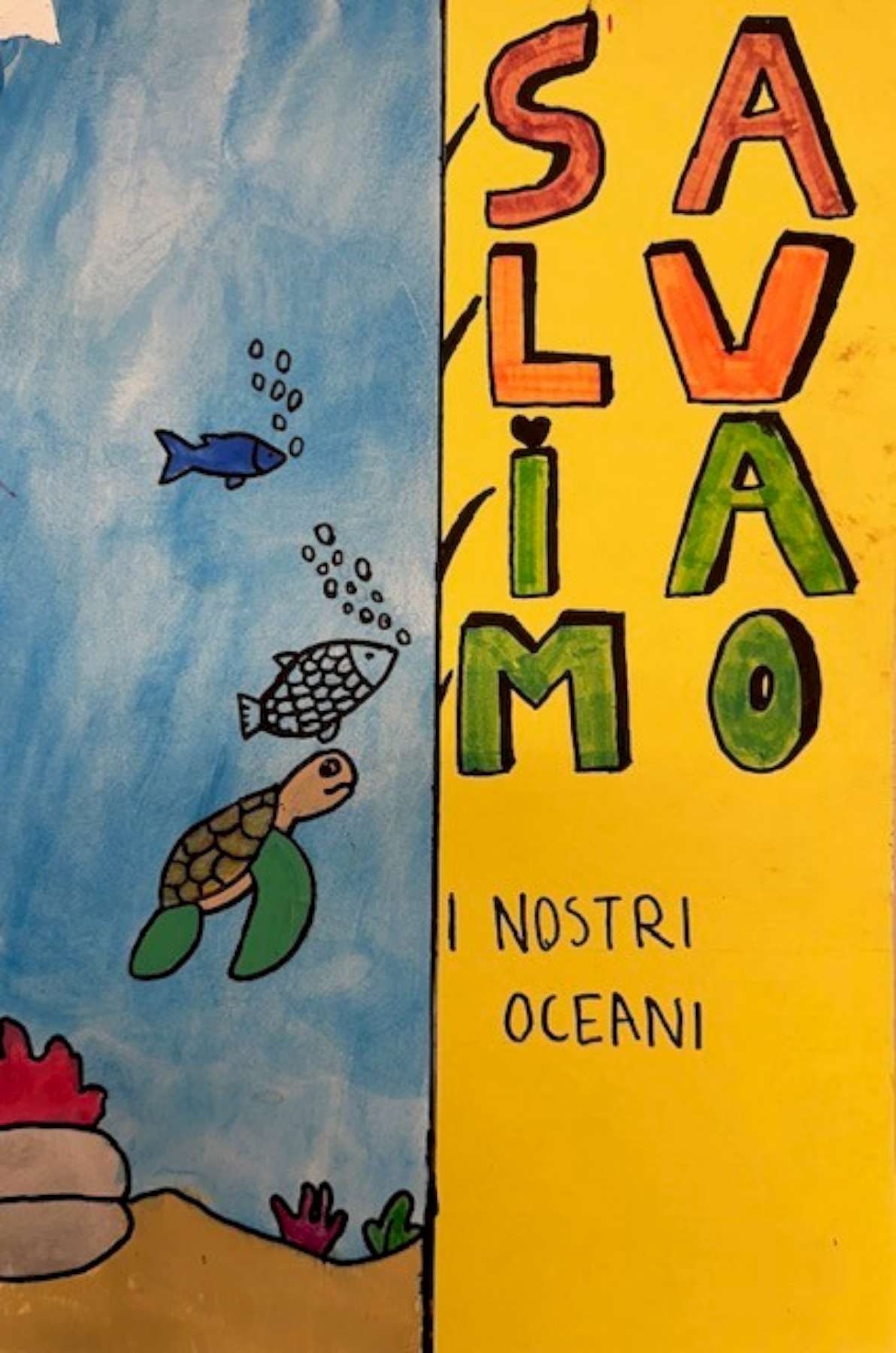
A Clean Beach Day was organised the day after the final prize-giving, on June 8th the World Ocean Day, as part of the YCCS sustainability initiatives. Around 100 participants, including some 80 students from the lower secondary schools of Arzachena attended and the event had the patronage of the Municipality of Arzachena – as part of its AgendaBlu 2026 calendar – and carried out in collaboration with the National Research Centre (CNR) of Oristano and the One Ocean Foundation. Approximately 150 kg of waste were collected. The activity involved the students through an educational session led by the CNR of Oristano, including a short explaination of an educational comic magazine "Carrie" on marine pollution. Drawings made by the participating children were collected, helping to raise awareness among younger generations about the importance of protecting the marine environment.
15. Prevent Toxins from Entering the Water
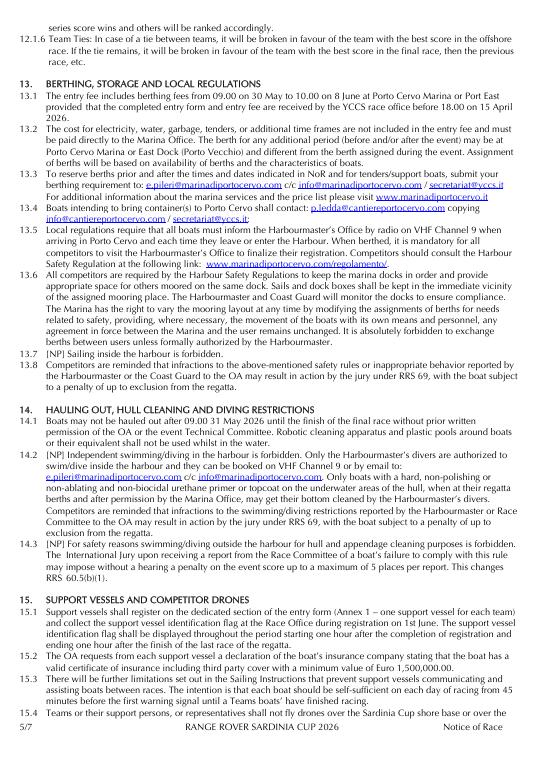
The Sailing Instructions regulated underwater activities and hull cleaning inside the harbour to help prevent harmful substances from entering the water. Independent swimming or diving was prohibited, and bottom cleaning could only be carried out by the Harbourmaster’s divers with prior permission from the Marina Office. Cleaning was allowed only for boats with a hard, non-polishing or non-ablating and non-biocidal urethane primer or topcoat on the underwater areas of the hull.
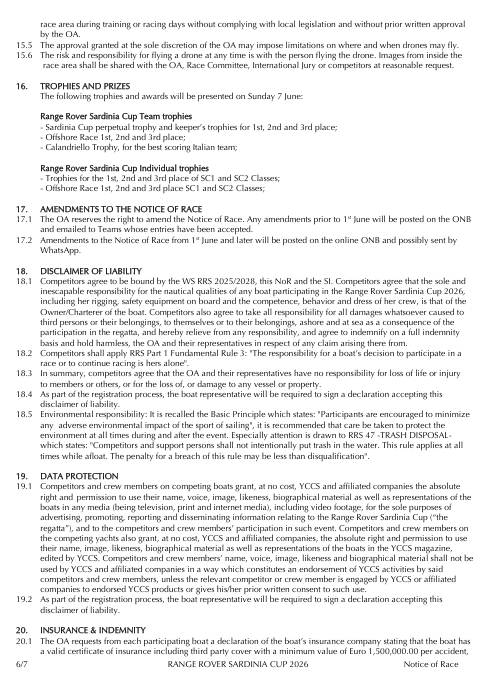
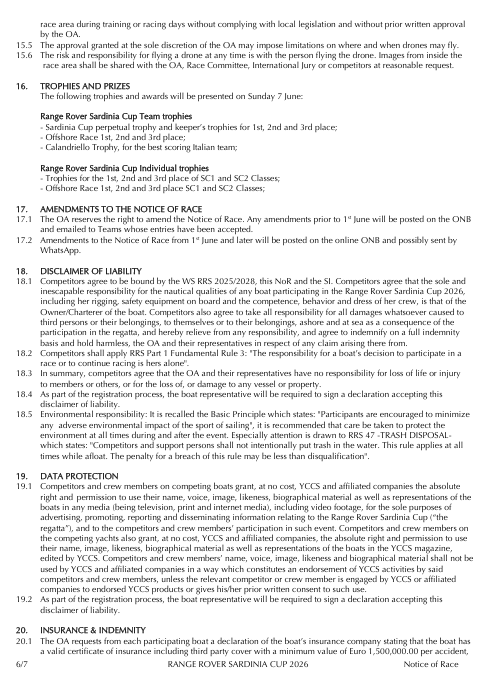
The event documents also reminded participants of their environmental responsibility, encouraging them to minimise the environmental impact of sailing and comply with RRS 47 – Trash Disposal, which prohibits intentionally putting trash in the water.
16. Increase Awareness of Wildlife and Habitat Protection
The NoR included a specific section on environmental responsibility, reminding participants of the Basic Principle that encourages them to minimise any adverse environmental impact of the sport of sailing and to protect the environment at all times during and after the event.
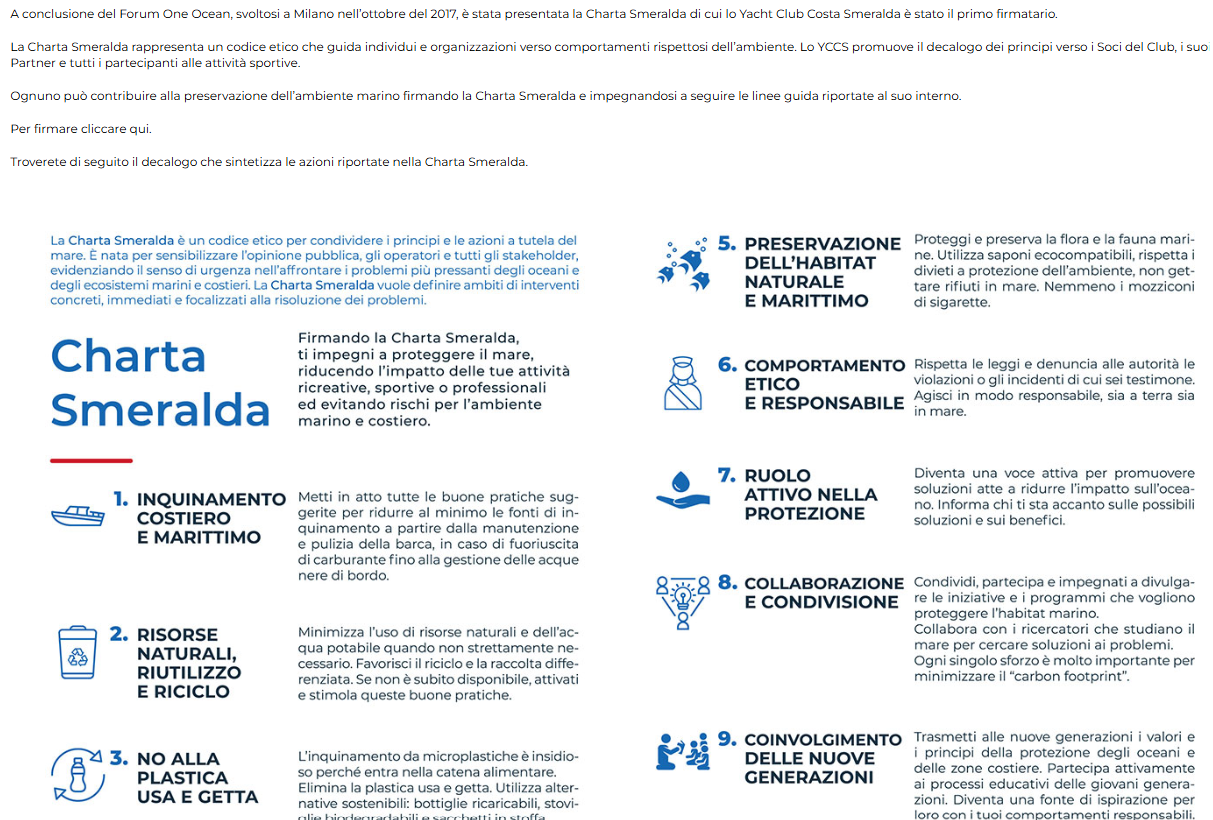
The document also stated that the regatta was organised in accordance with the principles of the Charta Smeralda, an ethical code established by One Ocean Foundation, and that part of the event’s mission is to raise awareness among participants on the urgent environmental issues affecting the oceans.
17. Offer Vegetarian or Vegan Alternatives
The catering service took all dietary requirements into account by offering vegan or vegetarian options. The dish pictured, for example, is Sardinian caponata (often also called caponedda). This is an island version of the famous Sicilian dish, distinguished by the vegetables used. The dish features a mix of aubergines, peppers, onions and courgettes.
18. Promote Alternative Transportation
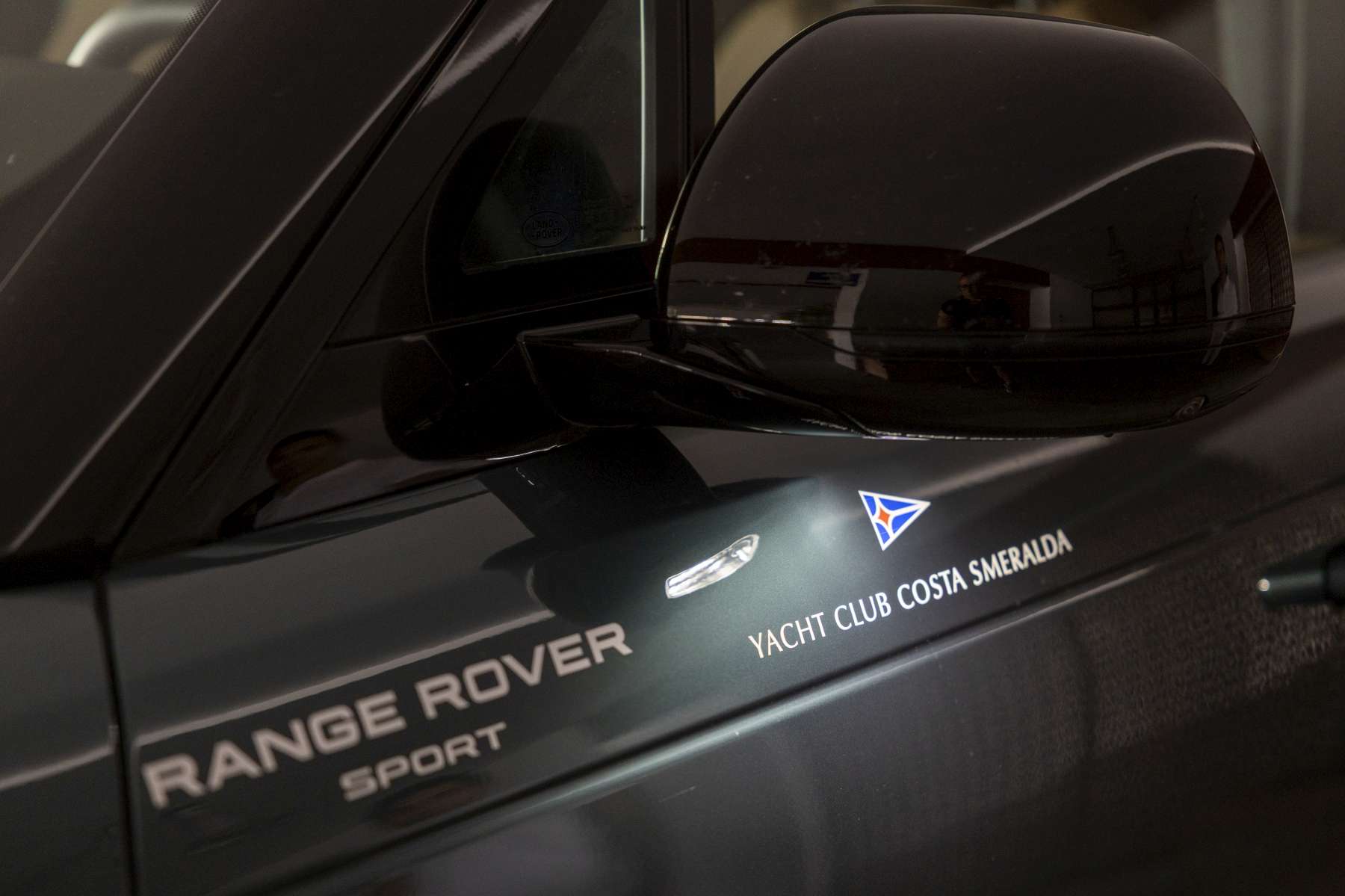
Transfer services were provided during the event by the YCCS Institutional Partner Range Rover. The transfers are available to owners, crews, media guest and staff working at the event
19. Reduce Day-of Emissions
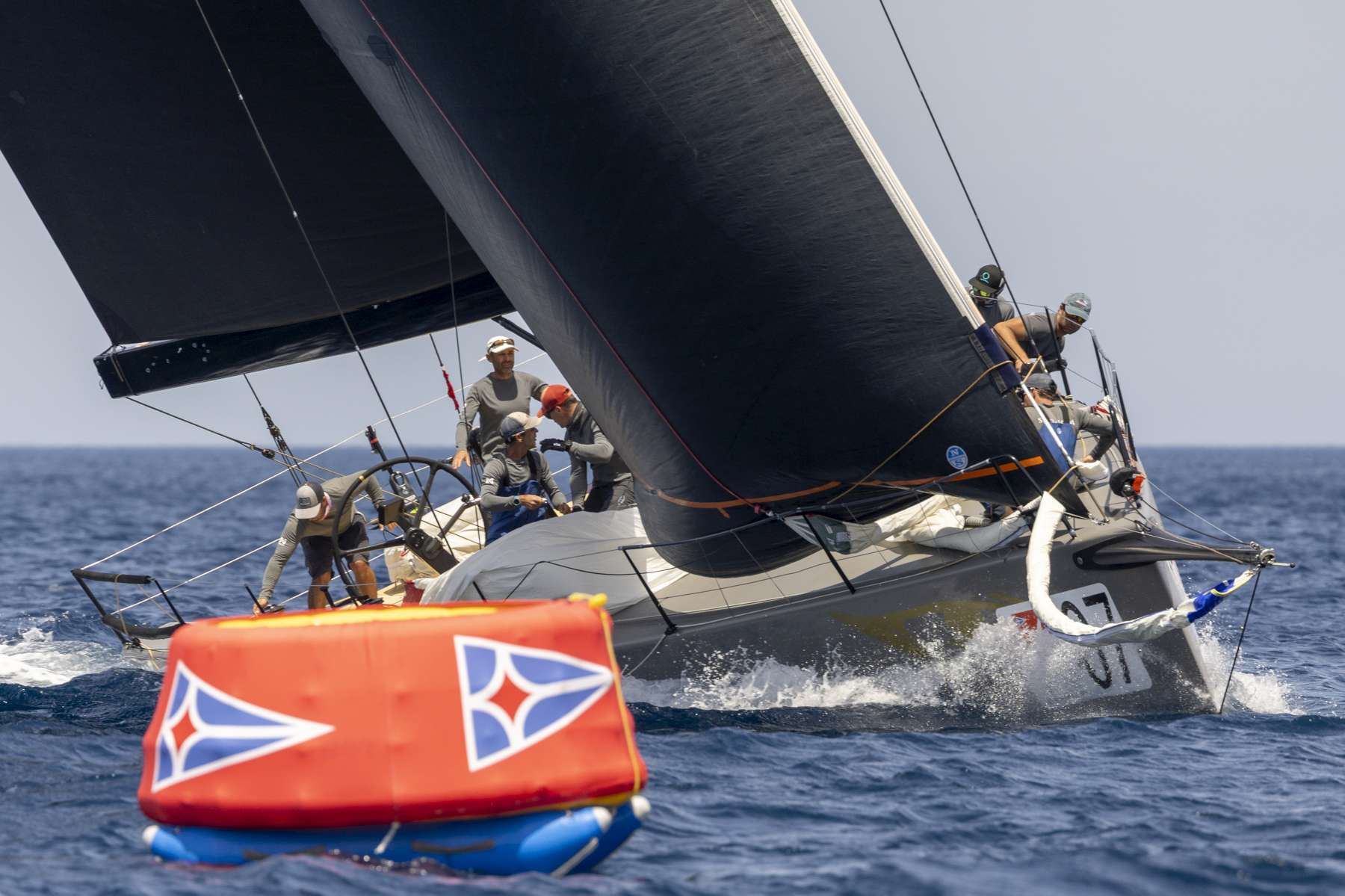
Electric marks were used during the event. They maintain their position through GPS technology without being anchored to the seabed
20. Inspire Future Action
The official event documents promoted environmental responsibility, encouraging participants to minimise the environmental impact of sailing and highlighting the principles of the Charta Smeralda. These messages were also displayed on the LED wall in Piazza Azzurra, making them visible to all.
In addition, the drinking water fountain featured the message “Be the wave of change”, encouraging people to adopt more responsible habits, such as refilling reusable bottles and reducing single-use plastic.