

Event Details | |
| Host | Antigua Yacht Club |
| Location | Antigua and Barbuda |
| Certification Level | Silver |
| Website Link | www.sailingweek.com |
Best Practices Achieved
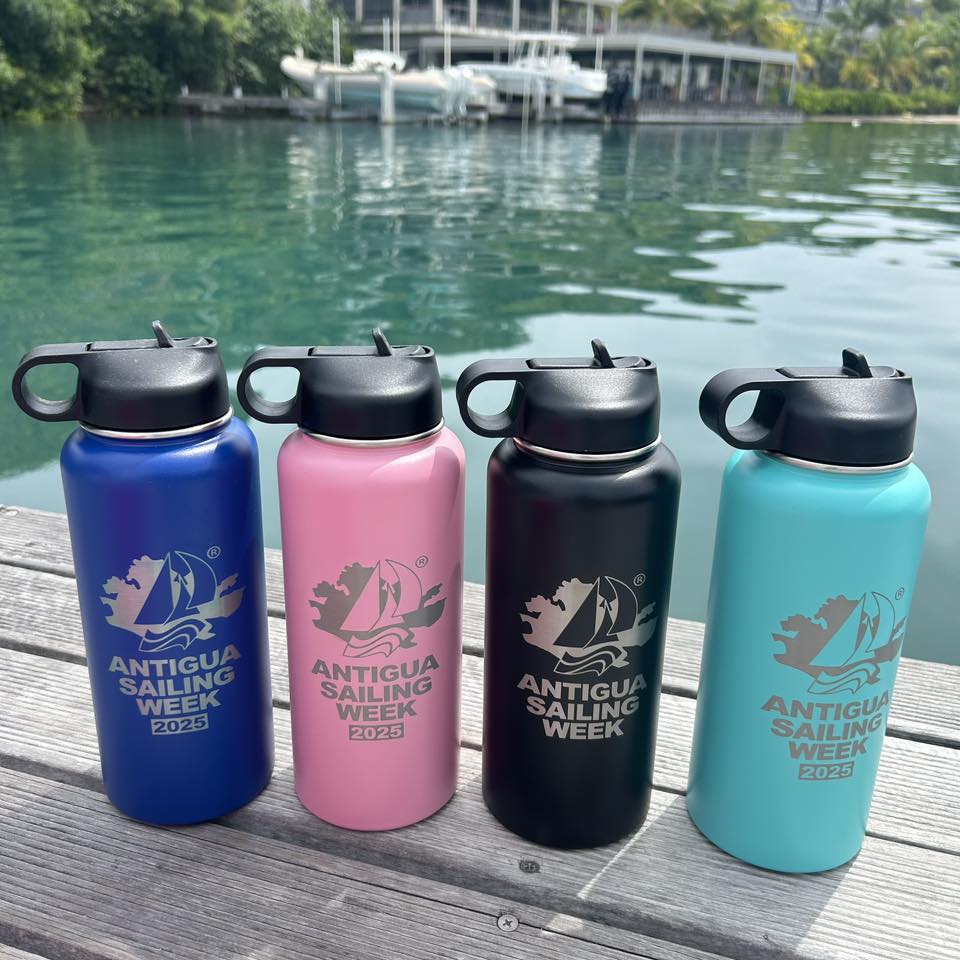
1. Eliminate Single-Use Water Bottles and Provide Water Refill Stations
Waterbottles were given out in skipper bags as well as available for purchase at the merchandise tent.
7. Involve Local Organizations
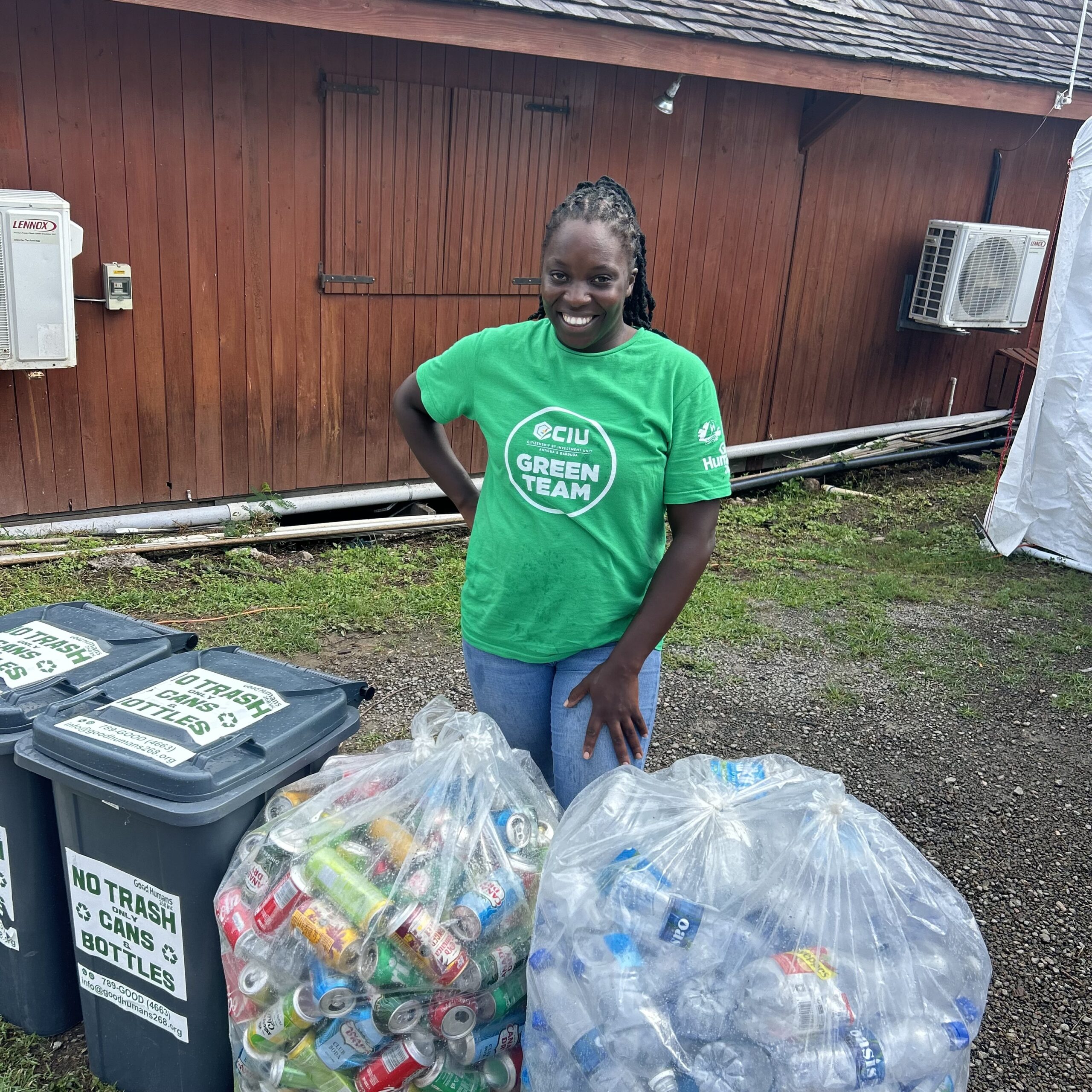
Collaborated with Good Humans 268 -
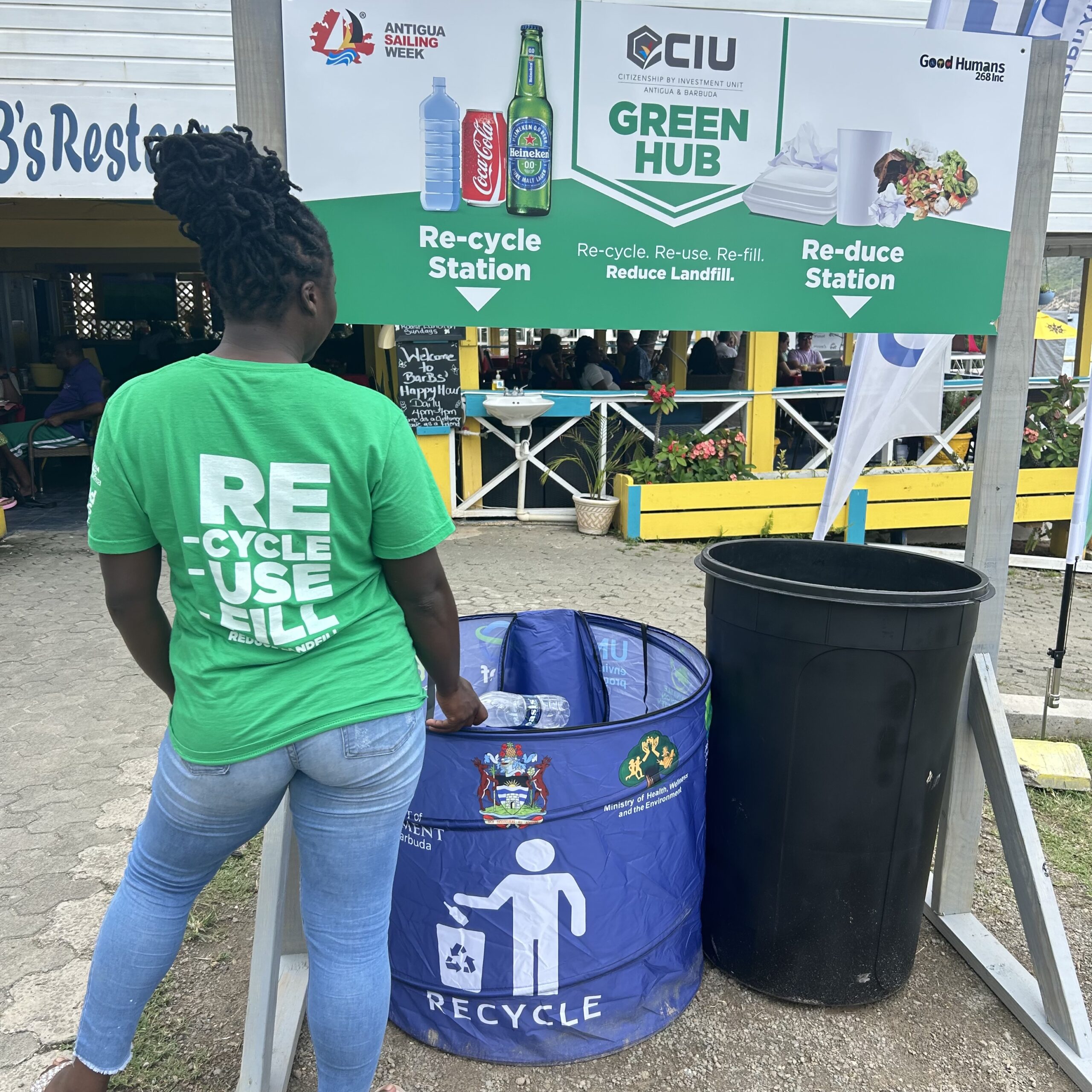
8. Post Educational and Reusable Signage
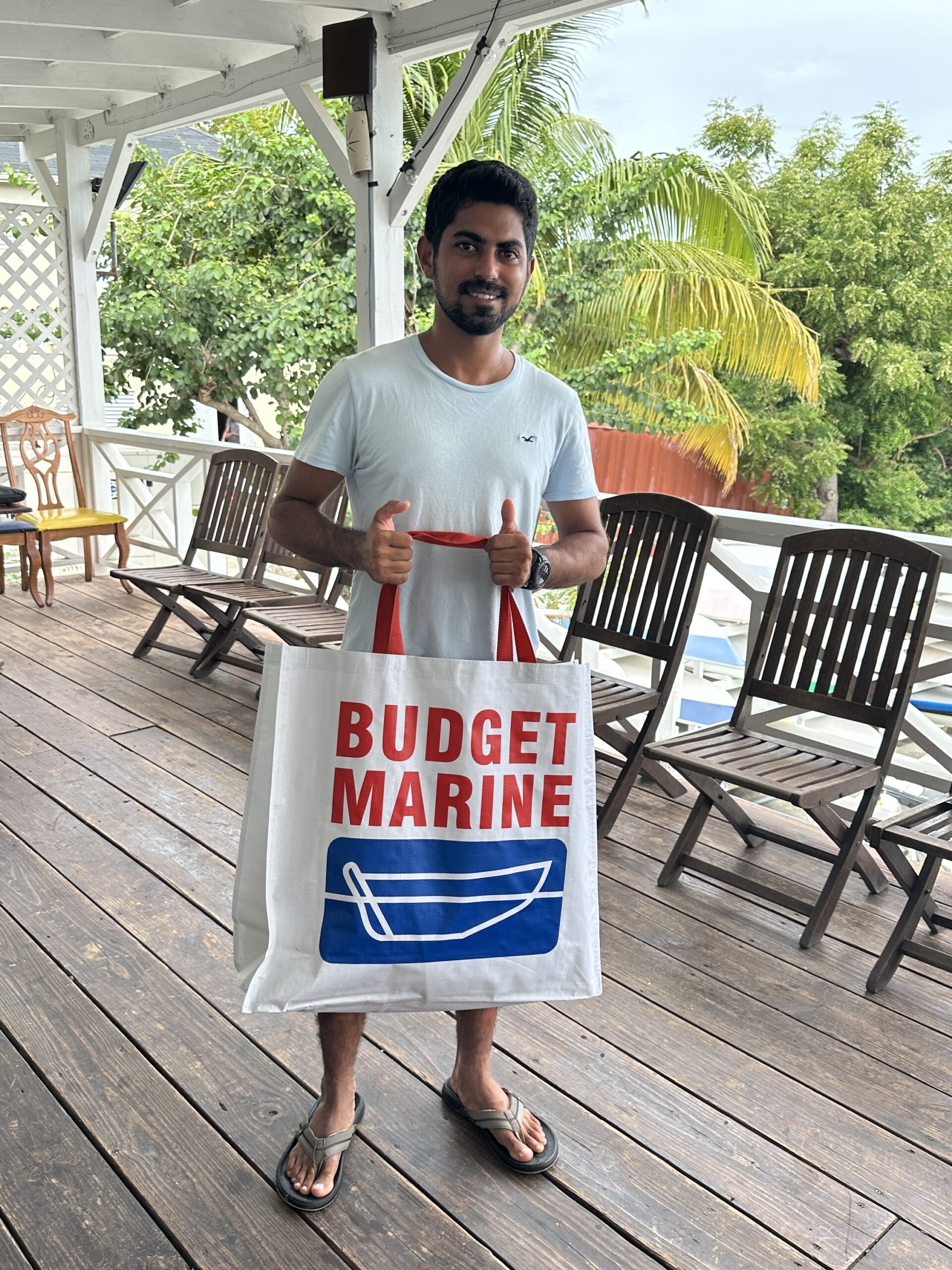
4. Skip Bags or Go Reusable
Reusable bags were distributed as skipper bags. They were large enough for the sailors to haul provisions, supplies, equipment, refreshments and of course rum!
5. Award Practical Items or Use a Perpetual or Upcycled Trophy
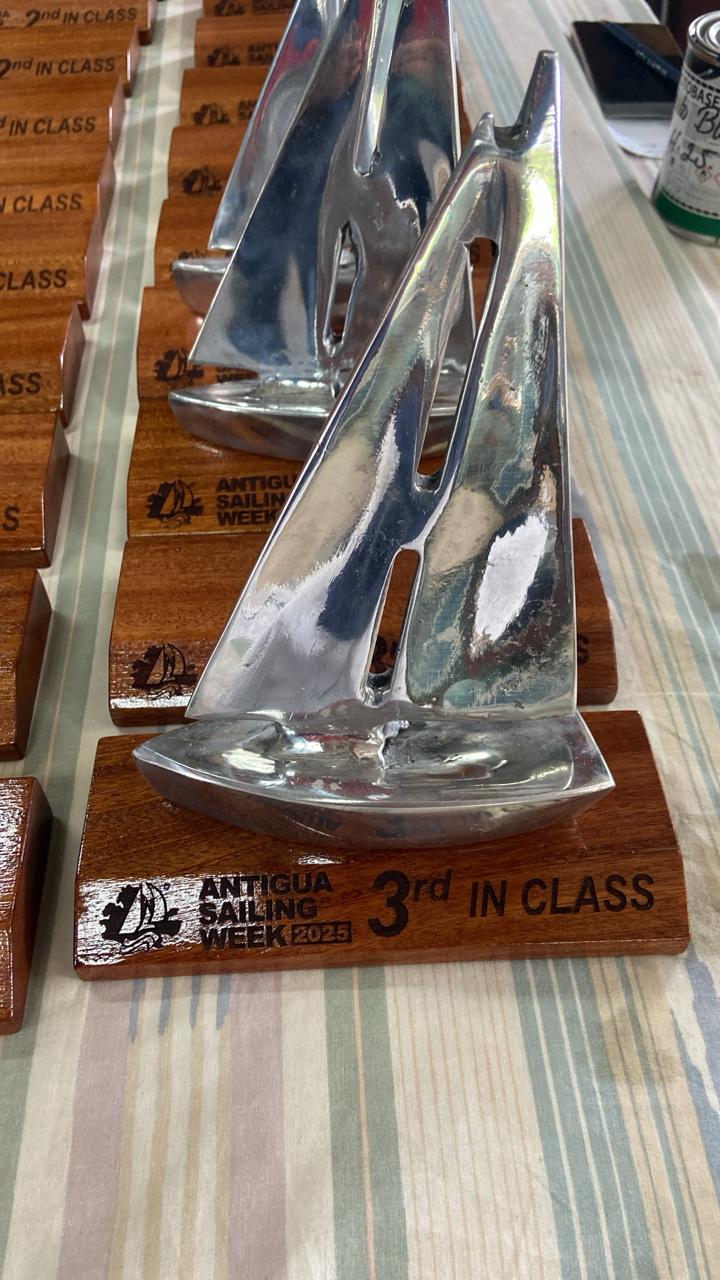
Trophies were designed using 100 aluminum cans which were melted and moulded by a local Foundry. Cans were collected prior to the event by GH268 in their various recycling intiatives.
The process began with the creation of two custom steel molds—one for the hull and another for the sails. Crafted from welded steel, these molds were built to withstand repeated use, allowing for multiple castings.
Once the molds were complete, the artist began melting down aluminum cans in a furnace reaching approximately 2000°F—well above the cans’ melting point of 1600°F. Around 100 cans were melted per batch, with each pour forming both the hull and sails of a single boat. All components were cast over the course of two intensive weekends.
After casting, each piece was rough-ground and shaped before progressing through several stages of polishing. Once enough components were ready, the sails were carefully welded to the hulls. Final welds were cleaned and polished to create a seamless finish.
The result is a series of striking, hand-crafted aluminum boats—each one a testament to resourcefulness, repetition, and refined craftsmanship.
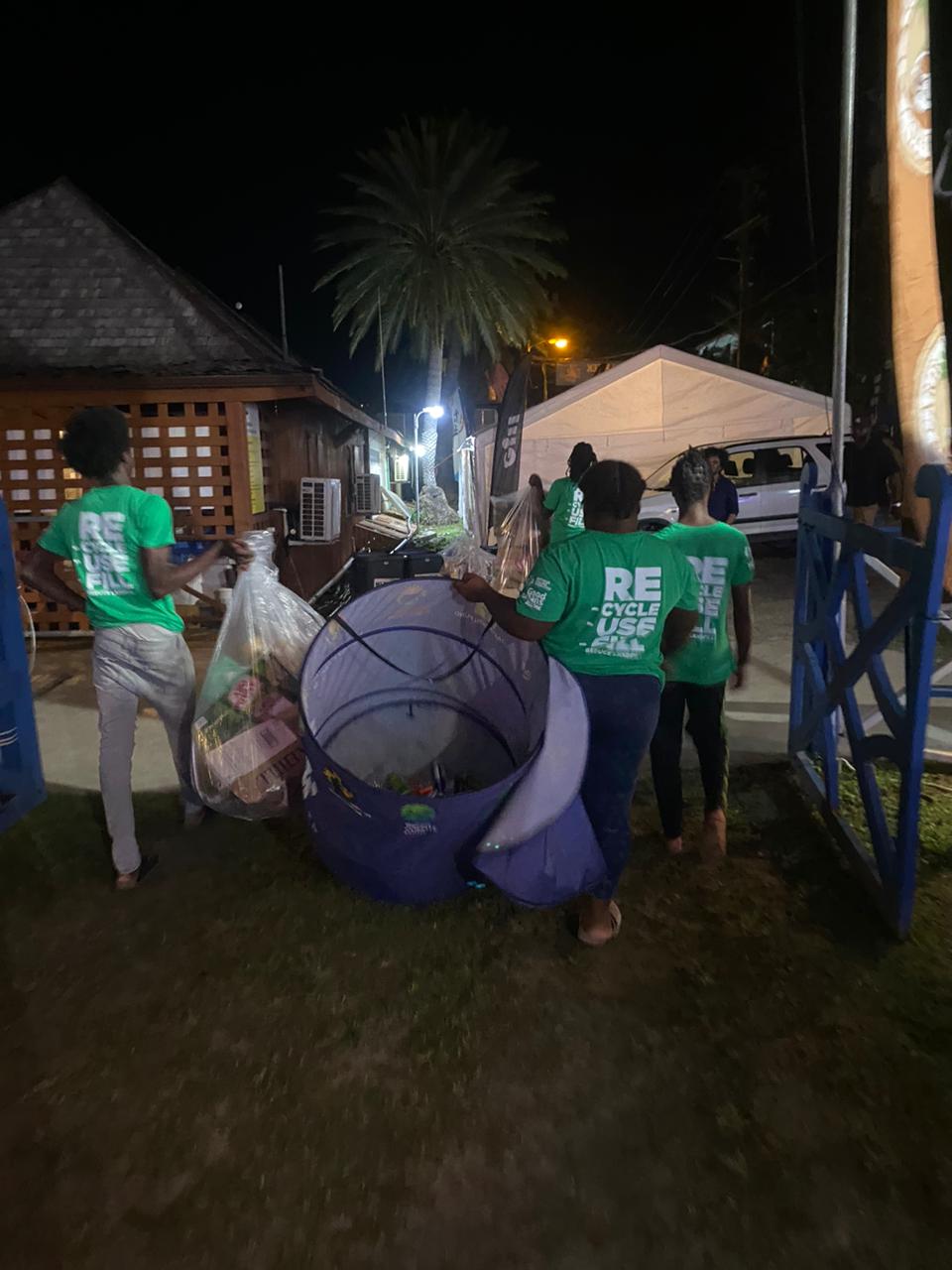
10. Organize a Green Team
Green team was on site for the event!